

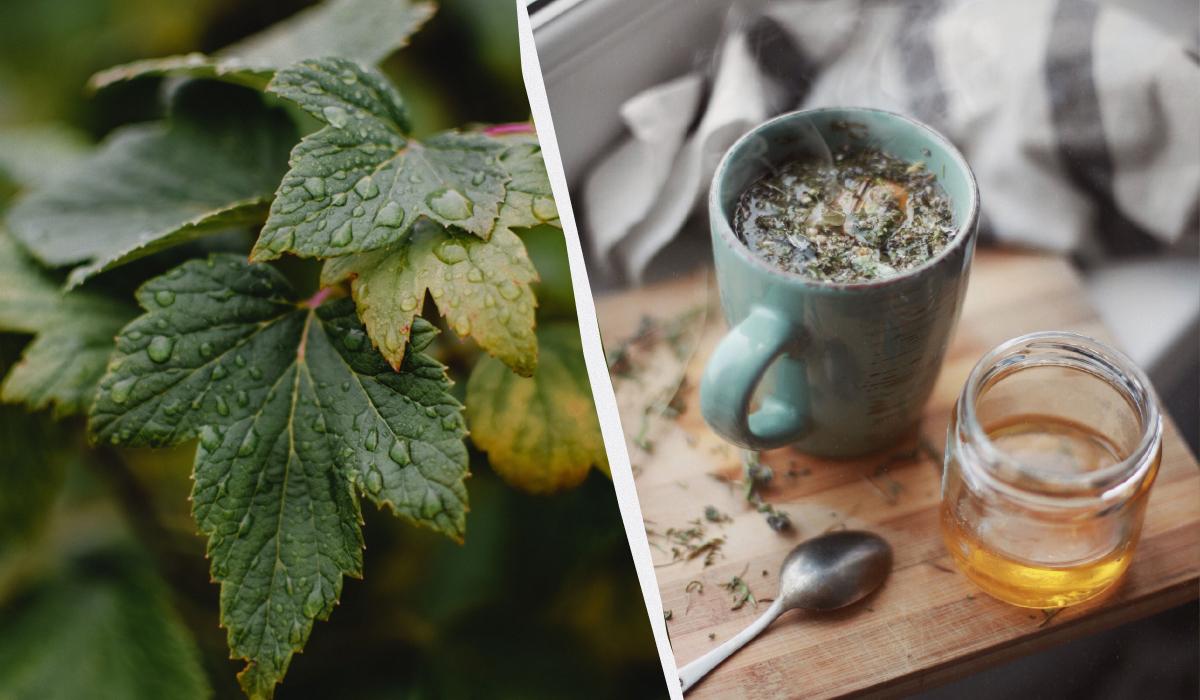
Gardeners are being encouraged to stop discarding blackcurrant leaves and instead dry them for a homemade winter tea, after a report highlighted that the leaves carry many of the same nutrients found in the berries.
Black currant bushes are valued mainly for their fruit, but vitamins are present in every part of the plant. The leaves, which many gardeners ignore, are also a valuable source of nutrients, and if picked and dried correctly, they can be used to make a healing brew throughout winter.
How to prepare currant leaves for winter tea
To make a batch worth keeping, only good quality leaves should be picked, with no signs of disease. No more than two leaves should be taken from each branch. Leaves should not be picked from bushes that have been treated with chemicals in the past two months, and plants growing near roads should be avoided entirely.
The leaves are rinsed under running water, soaked for an hour and laid out in a single layer on cloth. They are then left to dry in the sun for a full day, until they turn soft and can be easily rolled.
The dried leaves are then passed through a meat grinder and transferred into a glass jar, which is covered with a damp cloth and left for twenty four hours. This step is known as fermentation, and the mixture should develop a pleasant currant aroma during the process.
Drying and storing the leaves
Once fermented, the resulting granules are dried in the oven. Fresh leaves are far more beneficial, but they spoil quickly before winter, so the greens are spread on a baking tray and cooked for two hours at 60 degrees Celsius with the oven door left slightly open.
The dried mixture should be cooled and transferred to a jar or container with a lid, then stored in a dry, dark place for up to six months. Aromatic tea can be brewed from the stored leaves at any time.
To brew it, two tablespoons of the mixture are poured over a litre of boiling water and left to steep for twenty minutes before being strained into cups. The drink can be taken plain or with sugar, honey or lemon.
Why people drink currant leaf tea
According to the publication Gardening Know How, this homemade tea has numerous beneficial properties. The brew is said to help with colds, muscle and joint pain, kidney, liver and lung conditions, diarrhoea, poor appetite and bladder stones. Vitamin C and anthocyanins in the leaves are said to support the immune system and reduce inflammation, while currant is also said to be good for eyesight, particularly for people who work at computers.
The drink cannot replace proper medical treatment and only eases symptoms and speeds up recovery, so anyone with an illness should still see a doctor.
Specialists warn that pregnant women and breastfeeding mothers should not drink this homemade tea without first consulting a doctor.


