

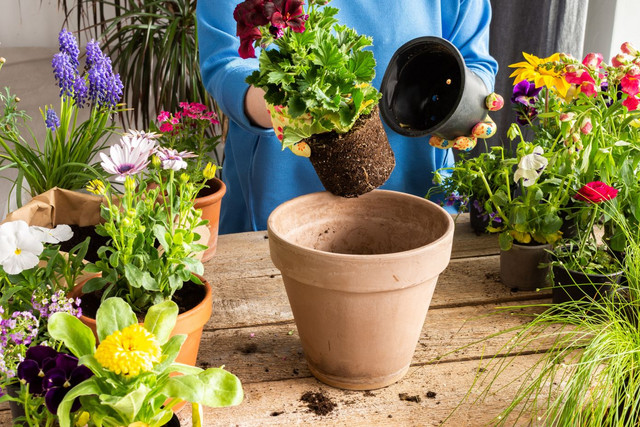
Moving houseplants into larger containers should only occur when specific physical signs are present, as unnecessary repotting causes plant stress and harms development. Plant care experts emphasize that container changes are functional interventions rather than aesthetic upgrades, and rushing the process can do more harm than good.
Indoor plants generally thrive on stability, meaning frequent pot changes can disrupt delicate root structures. While seeing initial foliage growth often prompts owners to buy bigger containers, most species prefer to remain in their existing environment until physical indicators signal that extra space or fresh soil is required.
Signs a houseplant needs repotting
The most visible signal that a plant has outgrown its home occurs underground when roots begin emerging through drainage holes at the bottom of the container. Roots that circle tightly around the interior base indicate a pot-bound state where dense root masses restrict further healthy development.
Rapidly drying soil presents another major warning sign. When a plant requires watering again within a few hours or by the following day, the root mass has likely consumed almost all available potting substrate, leaving insufficient soil volume to hold moisture.
A plant that appears healthy yet fails to produce new leaves during its primary growing season may also require attention. In these instances, the specimen often lacks necessary growing space or has depleted the key nutrients available in its soil.
Compacted or degraded soil structure similarly demands action. Over time, potting media hardens, causing irrigation water to either pool at the surface or drain straight through without being absorbed. Furthermore, white crusts forming on top of the soil indicate a harmful buildup of mineral salts from tap water or fertilizers, which can damage sensitive root systems. As a general guideline, most indoor plants benefit from fresh soil or a container change every 1 to 2 years, even if severe symptoms are not yet visible.
When to avoid changing plant pots
Timing plays a critical role in preventing transplant shock, which occurs when roots suffer physical disruption and struggle to absorb moisture in new potting media. Newly purchased plants should never be repotted immediately because they are already adjusting to altered light, humidity, and temperature conditions. Allowing new specimens to acclimate for 2 to 4 weeks before repotting reduces cumulative stress.
Repotting during active flowering is also discouraged, as the physical disruption often causes developing buds and open blossoms to drop prematurely. Gardeners should wait until the full bloom cycle has naturally concluded before moving the plant.
Extreme environmental conditions present further risks. High heatwaves or severe winter cold increase environmental stress on foliage, making spring the optimal season for container changes, with early autumn serving as a secondary option. Additionally, repotting should never be treated as a remedy for ailing plants displaying yellowing leaves, pest infestations, or root rot. Existing health problems must be fully resolved before any pot transfer takes place.
Selecting the right container and soil
Choosing an appropriate vessel requires selecting a pot that is only slightly larger, measuring roughly 2 to 4 centimetres wider than the current container. Excessively large pots hold oversized volumes of soil that remain saturated for too long, significantly raising the risk of fungal root rot.
Proper drainage holes are essential for preventing stagnant water collection around root tips. Substrate selection must also match specific plant needs, such as lightweight potting mixes for tropical indoor foliage or fast-draining gritty blends for cacti and succulents. Container materials also affect moisture levels, as porous terracotta clay pots allow water to evaporate through the walls, whereas non-porous plastic containers retain moisture longer.
Common care mistakes to avoid
A frequent mistake among indoor gardeners is attempting to fix fundamental care errors through repotting. Changing containers will not save a plant suffering from overwatering, inadequate light, or improper fertilization. Successful plant care relies on careful observation rather than enthusiastic intervention, ensuring plants grow strong without unnecessary disruption.


