

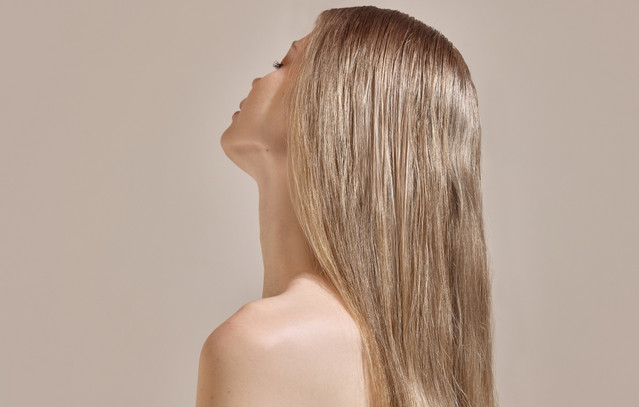
Sleeping with wet hair causes hair breakage and scalp irritation due to increased strand fragility, according to dermatologists at the Cleveland Clinic.
Cleveland Clinic dermatologist Shilpi Khetarpal explained that wet hair becomes significantly more elastic and vulnerable to mechanical strain, making it prone to stretching, snapping, and structural damage when rubbed against pillow fabric during sleep.
The warning clarifies that while sleeping with wet hair does not cause the common cold, an old beauty myth, the physical friction of nocturnal head movement creates severe stress on vulnerable hair shafts.
The Cleveland Clinic is a non-profit academic medical center headquartered in Ohio, renowned internationally for dermatological research and preventative clinical care. In hair physiology, saturated hair absorbs water into its inner cortex, causing the shaft to swell and lifting the protective cuticle layer, which leaves the hair far more susceptible to physical breakage.
Dermatological risks to scalp health
Beyond structural strand breakage, sleeping with damp hair poses notable risks to scalp health. Prolonged moisture trapped between hair and pillow fabric creates a warm, humid environment that encourages the proliferation of bacteria and yeast.
This excess moisture microclimate can trigger or aggravate chronic skin conditions, including scalp irritation, severe dandruff, and folliculitis, especially when going to bed with wet hair becomes a regular habit.
Folliculitis is an inflammatory condition affecting hair follicles, often caused by bacterial or fungal overgrowth in warm, moist environments. While a single night of sleeping with damp hair is unlikely to cause severe infection, systematic repetition significantly increases the likelihood of scalp issues.
Protective measures for night hair care
For individuals who wash their hair late at night and lack time for full blow-drying, skin experts advise focusing on moisture reduction rather than elaborate styling.
After washing, excess water should be gently squeezed out rather than aggressively rubbed with a towel. Harsh towel friction roughs up the outer cuticle, leading to frizz and increased breakage. Pressing hair gently with a soft towel or a cotton T-shirt absorbs excess water safely.
Allowing hair to air dry loose for 20 to 30 minutes before bed allows a substantial portion of moisture to evaporate, which is far better than lying down immediately after showering.
Drying techniques and hair ties
If a hairdryer is necessary, high heat should be avoided. The Cleveland Clinic recommended setting the appliance to low temperature or cool air and holding it at a distance from the head to prevent thermal damage.
Hair should never be tied into a tight bun or rigid ponytail while wet, as high tension on damp strands escalates hair breakage. If gathering hair is necessary, a loose hold with a soft scrunchie is recommended.
Switching to a silk or satin pillowcase can also reduce fabric friction compared to rougher cotton weaves. While a smoother pillowcase does not replace thorough drying, it helps mitigate mechanical damage when sleeping with damp hair is unavoidable.
Adjusting hair washing routines
Shifting hair washing schedules to earlier in the afternoon or evening allows hair to dry naturally while completing household chores, avoiding late-night drying conflicts altogether.
Dermatologists note that frequent washers should not skip cleaning their hair out of fear of damage. Washing frequency depends on individual hair and scalp types, and maintaining cleanliness is essential for long-term scalp health.


