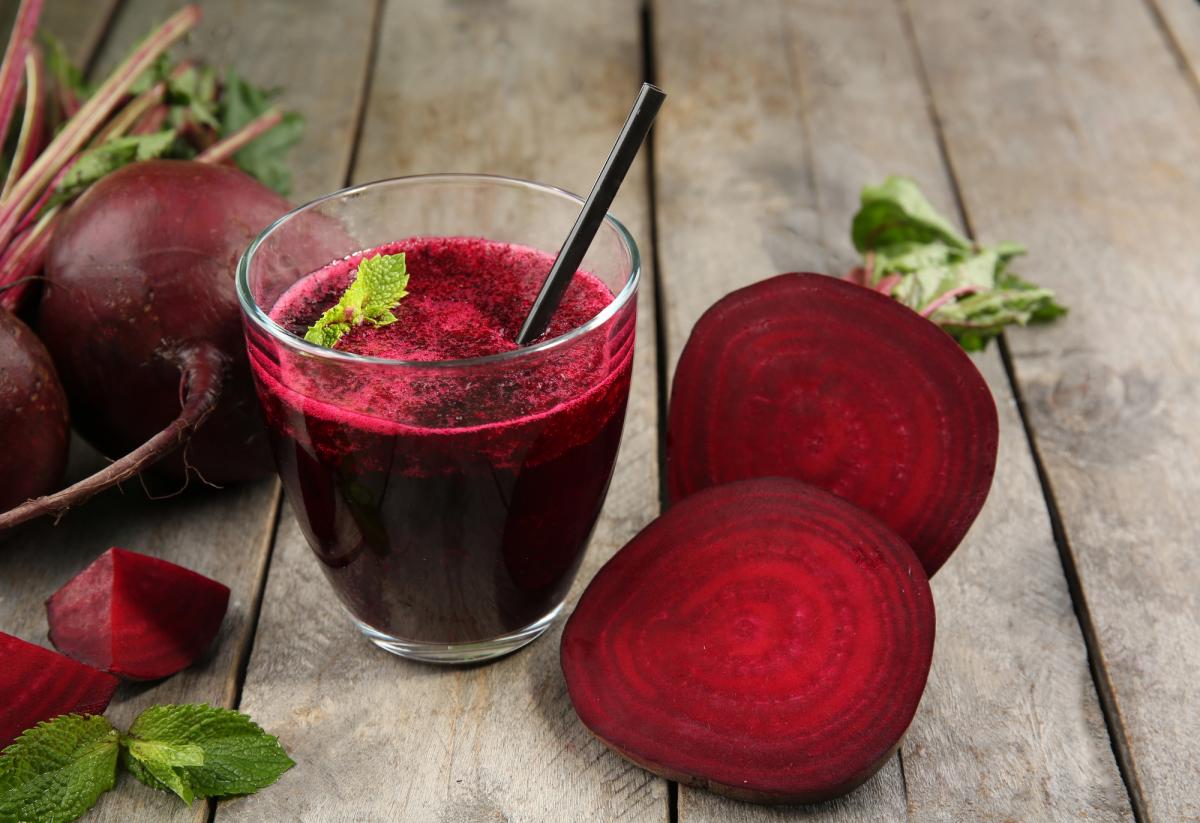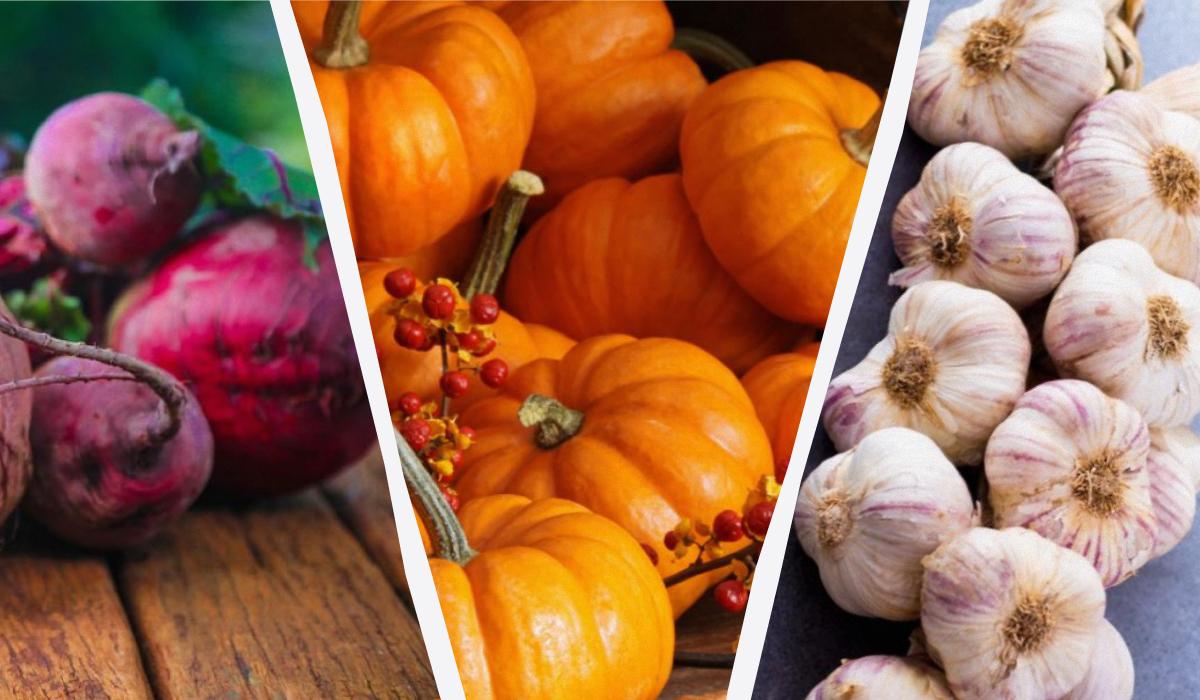
Eight summer vegetables do not need canning or freezing for winter storage if they are properly cured and kept cool, food portal g4food.ro reported.
Growers harvesting late season produce can preserve fresh crops for months by following specific post-harvest drying and curing techniques rather than immediately filling preserving jars or freezer bags. Ukrainian news agency UNIAN cited the guidance, emphasizing that simple household spaces can replace specialized agricultural cellars.
Success depends on preparing each crop correctly before storage. Certain vegetables require a period of drying, while others must remain undisturbed until their protective outer skins harden completely.
Preparation rules for cellar and garage storage
Rushing freshly picked produce into storage areas can accelerate decay. Food safety recommendations emphasize waiting until vegetables reach proper condition before packing them away.
Stored crops also require regular inspection throughout the winter months. Any individual vegetable that shows signs of softening or mold must be removed immediately to prevent decay from spreading to adjacent stock.
Homeowners do not need a traditional root cellar to preserve their harvest. A cool basement, an unheated garage, or any temperature-controlled indoor location with low ambient heat provides suitable conditions for long-term storage.
Long term storage for squash, potatoes and dry beans
Winter squash ranks among the most durable crops for seasonal keeping, with properly prepared varieties lasting between 6 and 12 months. After harvest, squashes should be arranged in a single layer for 10 to 14 days before being moved to a room maintained at roughly 10 °C.
Handlers must retain approximately 2.5 cm of stem on each squash. Removing the stem creates an open wound that increases the risk of mold formation, which can quickly ruin surrounding produce.
Potatoes can remain fresh for 6 to 8 months when stored in a cool, dark environment. Preparation requires a resting phase of 1 to 2 weeks before final storage. Withholding irrigation approximately 2 weeks prior to harvest helps the potato skins toughen for long-term protection.
Dry beans represent one of the simplest food stores to manage. Pods can remain on the vine until fully dry, after which the seeds are shelled and sealed in airtight containers where they can keep for years.
Drying methods for garlic and onions
Garlic is typically planted in autumn and harvested the following summer. Softneck garlic varieties, known for flexible stems often used in vegetable braids, can keep for up to 1 year at room temperature. Hardneck varieties, which feature a rigid central stalk, remain viable for several months.
All harvested garlic bulbs must undergo a drying process lasting about 2 weeks in a dry room with strong air circulation before being put into storage.
Onions can last from 6 to 8 months when stored inside mesh bags or open baskets in a cool, dark location. Prior to storage, onions require several weeks of drying until their outer leaves wither completely, after which the tops can be trimmed to a length of 2.5 cm.
Onions should never be stored alongside potatoes. The close presence of onions and potatoes accelerates sprouting and decay in both crops, making separate storage spaces essential.
Packing carrots, beets and sweet potatoes
Carrots are among the few root crops whose flavor improves following exposure to frost. Cold soil temperatures trigger a process where internal starches convert into natural sugars, resulting in a sweeter taste.
Carrots can be preserved for 3 to 6 months when packed in moist sand or sawdust inside a cool area. Green foliage must be removed beforehand because leaves draw vital moisture out of the root stem.
Beets keep for 5 to 6 months and require minimal preparation, though they must never be washed prior to storage. Leaves should be twisted off by hand, leaving roughly 1.2 cm of stem, before the roots are placed into perforated plastic bags for storage in a refrigerator or cool room.
Sweet potatoes require heat curing rather than cool drying. While most vegetables favor low temperatures, sweet potatoes must be held for about 2 weeks at approximately 29 °C under high humidity. They can then be stored for 4 to 6 months at temperatures between 10 °C and 15 °C.
This heat treatment transforms the texture and flavor profile of the root. Uncured sweet potatoes cooked immediately after harvest often taste mealier and less rich than those allowed to cure properly.
Testing airtight seals on winter preserves
For gardeners who also practice traditional canning, UNIAN previously outlined key techniques for preparing home preserves. Turning filled jars upside down after sealing allows cooks to test for airtight integrity and identify potential leaks.
Inverting hot jars also helps sterilize the inner surface of the lid and neck. UNIAN additionally highlighted recipes for jarred borsch dressing, a traditional beet soup base, recommending late summer as the ideal preparation period when seasonal vegetables are most abundant.