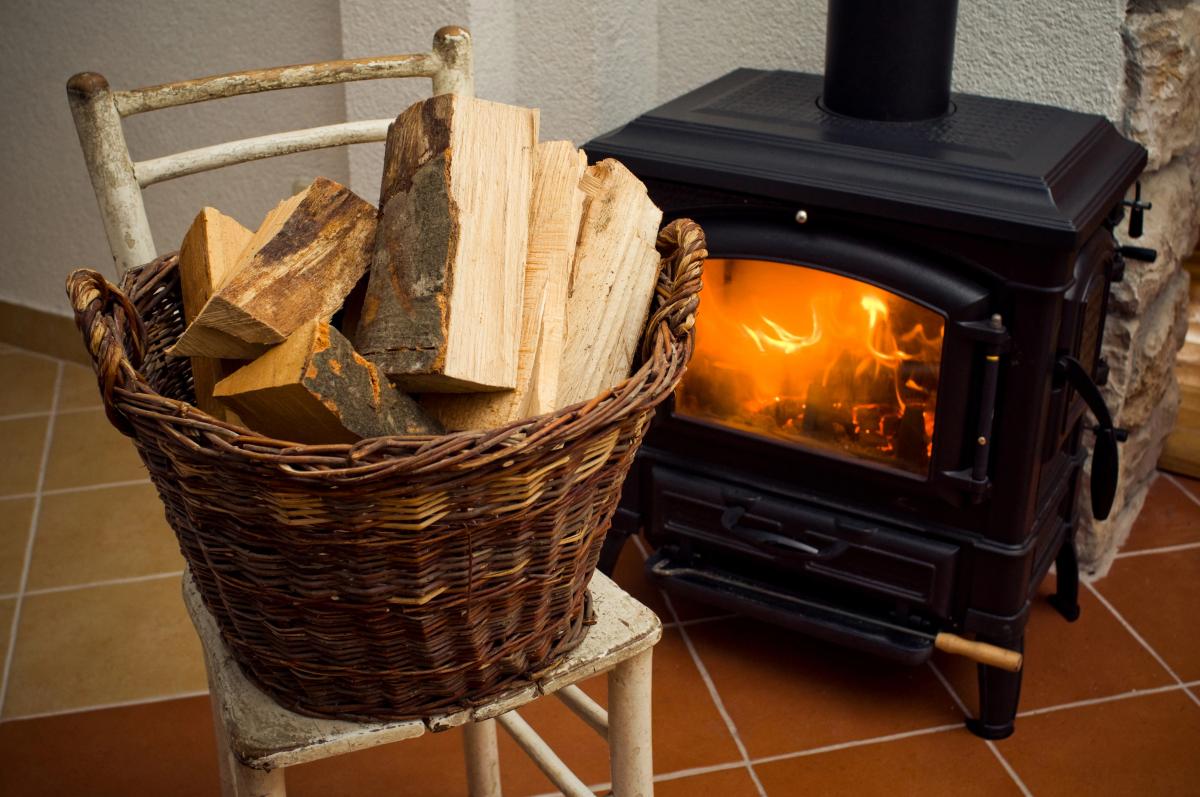
Homeowners burning wood to heat their homes this winter may be struggling with a surprisingly common problem: a stove packed full of logs and burning since early morning, yet the house still will not warm up. Firewood burning faster than usual and stove doors blackening within a day or two are also telltale signs, according to the Ukrainian outlet juginfo, which looked into the cause.
The culprit, juginfo found, is moisture trapped inside freshly cut wood. Guidance on reducing household emissions states that firewood only fully dries out one to two years after it is cut, depending on the type of tree. That means wood bought this autumn is likely still damp inside, even if it looks dry on the outside.
Why Damp Wood Wastes Heat
When a damp log burns, part of the heat it produces is used up evaporating the water still trapped inside it rather than warming the room. As a result, the house heats up more slowly and more firewood is needed to reach the same temperature.
The steam released also cools the flames and the smoke, causing soot to build up on the inside of the chimney. That accumulated soot can itself catch fire, according to juginfo.
Checking Moisture and Storing Wood Correctly
Firewood moisture should not exceed 20 percent, juginfo reported. Because dampness is hard to judge by eye, the most reliable method is a wood moisture meter, tested on a freshly split surface rather than the bark, which is always drier than the core of the log.
Where wood is stored also matters. Logs should be kept at least 20 centimeters off the ground so moisture from the soil cannot seep in, and fresh wood should never be stored in closed or damp spaces, including a damp cellar. Even dry firewood should not be kept too close to a source of fire.
Test yourself
According to juginfo, how long can freshly cut firewood take to fully dry out?
What moisture level should firewood not exceed?
Where should a wood moisture meter be used on a log for an accurate reading?
Have your say
How do you mainly heat your home in winter?