Sail Croatia is offering private 50ft yacht charters along the Dalmatian coast with a dedicated captain and hostess from £63 per person per night.
The week-long sailing packages accommodate groups of four to ten passengers aboard private vessels such as Libertine, which departs from the mainland port of Split to cruise across the Adriatic Sea to island destinations including Brac and Hvar.
Charter rates begin at £78 per person per night based on eight passengers sharing, reducing to £63 per person per night when a group of ten books together. The total booking fee includes skipper services, return airport transfers, damage waiver insurance, fuel, onboard wi-fi access, and local taxes.
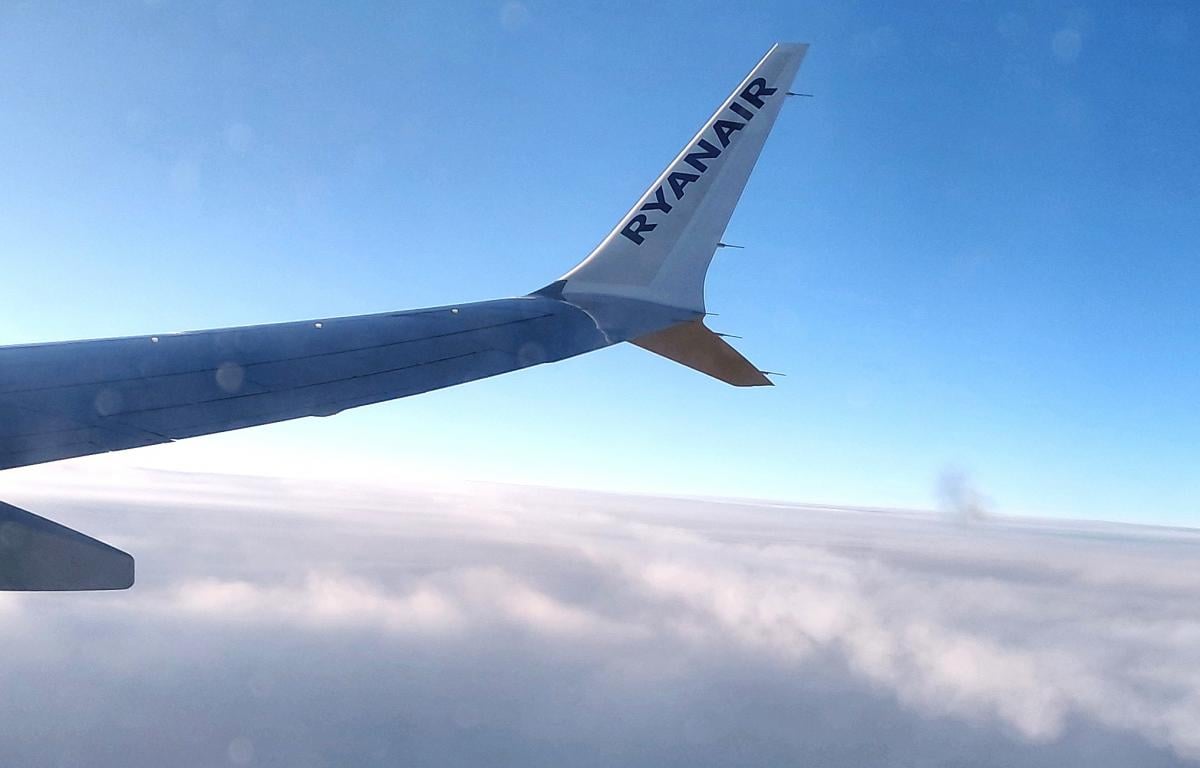
Travellers organising travel to the embarkation port in Split can secure return flights from the United Kingdom with budget airline WizzAir starting from £78.89.

Onboard amenities and dining service
The charter vessel Libertine measures 50 feet in length and accommodates up to ten guests across four double cabins. The layout features three bathrooms alongside separate indoor and outdoor communal seating areas designed to maximise living space.
Interior fittings include dedicated wardrobe space and a refrigerator, accompanied by storage cupboards built into the vessel's hull. Hostess Josefa assists passengers upon arrival by unpacking weekly provisions and demonstrating the layout of the hidden compartments.
Josefa also manages onboard catering throughout the week, preparing morning breakfast spreads of fruit, yogurt, nuts, and eggs before passengers set out for daily activities. Lunch menus served on deck feature freshly prepared dishes such as prawn pasta and tacos.
Catering aboard the vessel accommodates varied customer requests, though crew members report that past charter parties have occasionally tested hospitality standards. Josefa noted that previous guests had requested eggs scrambled to the exact minute, bespoke cocktails mixed continuously throughout the day, and elaborate desserts decorated with strawberry garnishes.

Sailing operations and Adriatic navigation
Navigation and vessel management are directed by Captain Andy, a 30-year-old professional skipper who has accumulated 13 years of sailing experience. During the voyage's initial morning safety briefing, Andy reassured passengers regarding maritime safety.
"I have been sailing pretty much all of my life," Andy said. "So you have nothing to worry about."
Andy explained that the passengers' primary objective during the voyage was leisure, adding: "If there's anything Josefa or I can do to make your stay more enjoyable, just ask."
Under sail, the yacht travels at a cruising speed of seven knots an hour across the Adriatic. Daily sailing routes follow the rugged Croatian shoreline, stopping at secluded coves where passengers can swim in clear aquamarine waters, practise diving from the deck, and engage in catch-and-release fishing.
The tour begins in Split, Croatia's second-largest city and the primary maritime gateway for the central Dalmatian archipelago. The port city developed around the extensive fourth-century palace complex constructed for the Roman Emperor Diocletian, a UNESCO World Heritage site whose ancient limestone walls now border bustling modern marinas. Split's strategic coastal position provides direct access to the central Dalmatian islands, making it one of the busiest departure points for private yacht charters and passenger catamarans in the Mediterranean basin.

Port of call in Milna
After departing Split, the first leg of the voyage brings the vessel to the marina in Milna, a coastal village located on the western tip of Brac Island, roughly 11 nautical miles from the mainland port.
Brac is the longest and highest island in central Dalmatia, celebrated for its ancient olive groves, viticulture, and white building stone, which was quarried locally to construct Diocletian's Palace in Split. Milna developed around a deep, sheltered natural bay that has served as a safe haven and naval anchorage for Adriatic seafarers since the period of Venetian rule.
Upon docking at the Milna waterfront promenade, guests witnessed an evening display that one local resident described as "the best sunset in months." Shore excursions included wood-fired pizza and pints of Ozujsko, a traditional Croatian pale lager brewed in Zagreb since 1892, followed by games of pool in a village venue alongside local players using regional Balkan rule variations.
The stay in Milna was marked by a brief loss when a silver ring belonging to passenger Izzy slipped from her finger into the deep water of the marina basin. Andy dived into the harbor to locate the fallen jewellery, but the item could not be recovered.

Historic stop in Stari Grad
The sailing route subsequently continued south to Hvar Island, where the yacht moored at Stari Grad, a historic municipality of 2,000 residents situated at the head of a sheltered northern bay.
Stari Grad represents one of the oldest recorded urban settlements in Europe. The town was founded in 384 BC by ancient Greek colonists from the island of Paros, who named it Pharos. The adjacent Stari Grad Plain, preserved as a UNESCO World Heritage cultural landscape, retains the original ancient Greek agricultural parcel system marked by dry stone walls, where olives and grapes have been cultivated continuously for more than two millennia.
From the Stari Grad harbor, guests travelled by taxi inland along narrow roads bordered by olive groves to reach Hora Hvar, a farm-to-table restaurant located beside an agricultural estate.
The group was served by restaurant manager Christian, who guided diners through a tasting of regional Dalmatian wines paired with dinner, before concluding the meal by serving complimentary glasses of traditional Croatian cherry liqueur.
The week-long route demonstrates an expanding segment of the Mediterranean yachting industry, where private yacht charters once associated with luxury superyachts are repackaged as affordable group packages for university friends and budget holidaymakers.