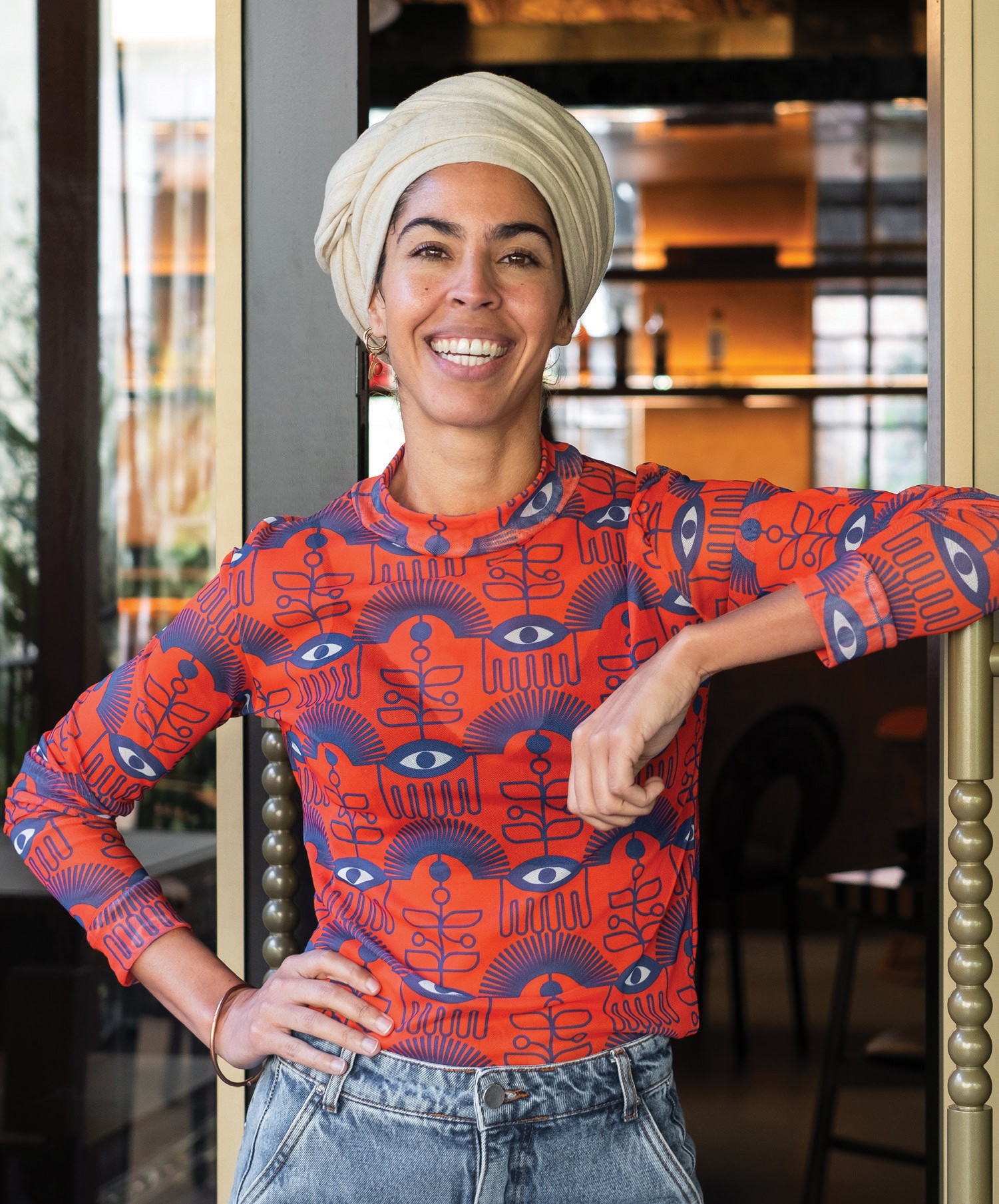
Brazilian artists Criolo, Amaro Freitas, Emicida, Urias and Lauana Prado won trophies at the 27th Latin Grammy Awards, held in Las Vegas, Nevada, on Thursday, November 12. Singer Anitta was also among the night's biggest names, competing for Album of the Year with her record EQUILIBRIVM.
The Latin Recording Academy announced most of the winners during a pre-telecast ceremony, which hands out the bulk of the trophies before the main televised event. The awards recognize achievement across Latin music, spanning genres from pop and rock to samba, sertanejo, urban music and traditional Latin American rhythms.
Criolo, Amaro Freitas and Dino D'Santiago honored
One of the earliest Brazilian highlights of the night came from the project Criolo, Amaro e Dino, a collaboration between rapper Criolo, pianist Amaro Freitas and Portuguese singer Dino D'Santiago. The trio won Best Brazilian Popular Music Album/Afro-Brazilian Portuguese Music Album, beating out entries from Bia Ferreira, Lenine, Zé Ibarra and Pedro Emílio. The win marked recognition for a project built around varied musical influences and the artistic connection between Brazil and Portugal.
Emicida and Urias also take home trophies
Rapper Emicida won Best Portuguese Language Urban Music Album for Emicida Racional VL 2 - Mesmas Cores & Mesmos Valores, beating competitors AJULLIACOSTA, Budah, Don L and Matuto S.A.
Singer Urias also had reason to celebrate, winning her first Latin Grammy with the album CARRANCA, named Best Portuguese Language Rock or Alternative Album. Visibly emotional, she used the moment to thank fellow singer Liniker, crediting her with opening doors for other transgender artists in the music industry.
Lauana Prado stands out among sertanejo acts
Brazilian sertanejo music also earned a place among the winners. Lauana Prado took Best Sertaneja Music Album for Raiz BH (Ao Vivo / Deluxe), beating Ana Castela, Simone Mendes, Luan Santana and the group Traia Véia for the award. The win builds on Prado's growing profile in Brazilian music, driven by live projects and performances that lean on her sertaneja influences.
Anitta competes for Album of the Year
Among the night's most anticipated moments was Anitta's nomination for Album of the Year with EQUILIBRIVM. She competed in the category against international artists including Rosalía, Karol G, Jorge Drexler, Mon Laferte, Milo J, Carín León, Silvana Estrada, Rawayana and the duo CA7RIEL & Paco Amoroso.
Rosalía ultimately won Album of the Year for LUX (complete works). Anitta did not leave empty-handed, however, winning Best Contemporary Pop Album in Portuguese Language alongside fellow nominees Marina Sena, Luedji Luna, Ludom and Jenni Mosello.
A wide-ranging night of Latin music
The Latin Grammy Awards are presented by the Latin Recording Academy and rank among the most prominent honors in Latin music. This year's ceremony covered roughly 60 categories, celebrating a broad range of genres including pop, rock, samba, pagode, sertanejo, urban music and traditional Latin American rhythms.
Elsewhere in the night's results, Jorge Drexler's Taracá won Best Singer-Songwriter Album, Milo J's Niño took Recording of the Year, and Rosalía's La Perla, featuring Yahritza y Su Esencia, won Song of the Year. CA7RIEL & Paco Amoroso's Free Spirits (The Film) won Best Long Form Music Video, while Rosalía's Sauvignon Blanc took Best Short Form Music Video.
Organizers say the 2026 edition underscores the growing international standing of Brazilian artists, highlighting the range of performers who have found recognition for their work beyond Brazil's borders.