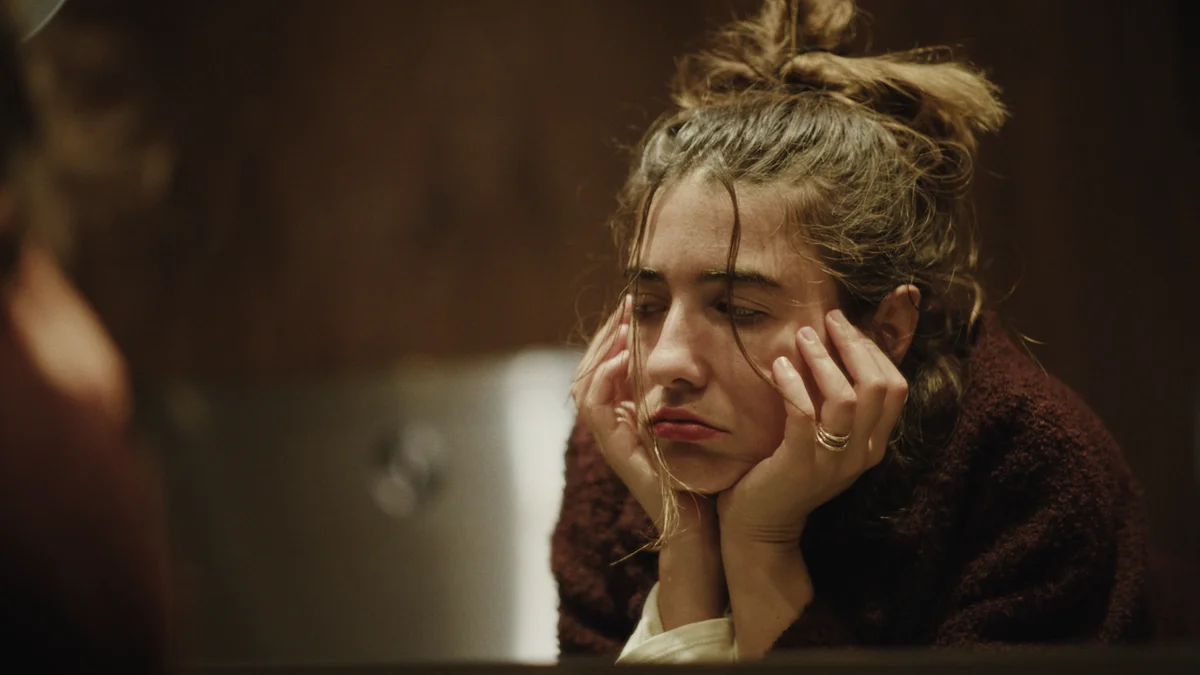
Spanish screenwriter and actress Berta Prieto has premiered her new television series Segunda Temporada on the streaming platform Filmin following her Serielizados festival win.
Prieto, who was born in Barcelona in 1998, arrived at the launch in Madrid with the festival award for best screenplay fresh from the Serielizados competition. She explained that the award arrived at the perfect time to help ease her premiere nerves, noting that she felt particular pride in the prize because the new production required an enormous amount of writing work.
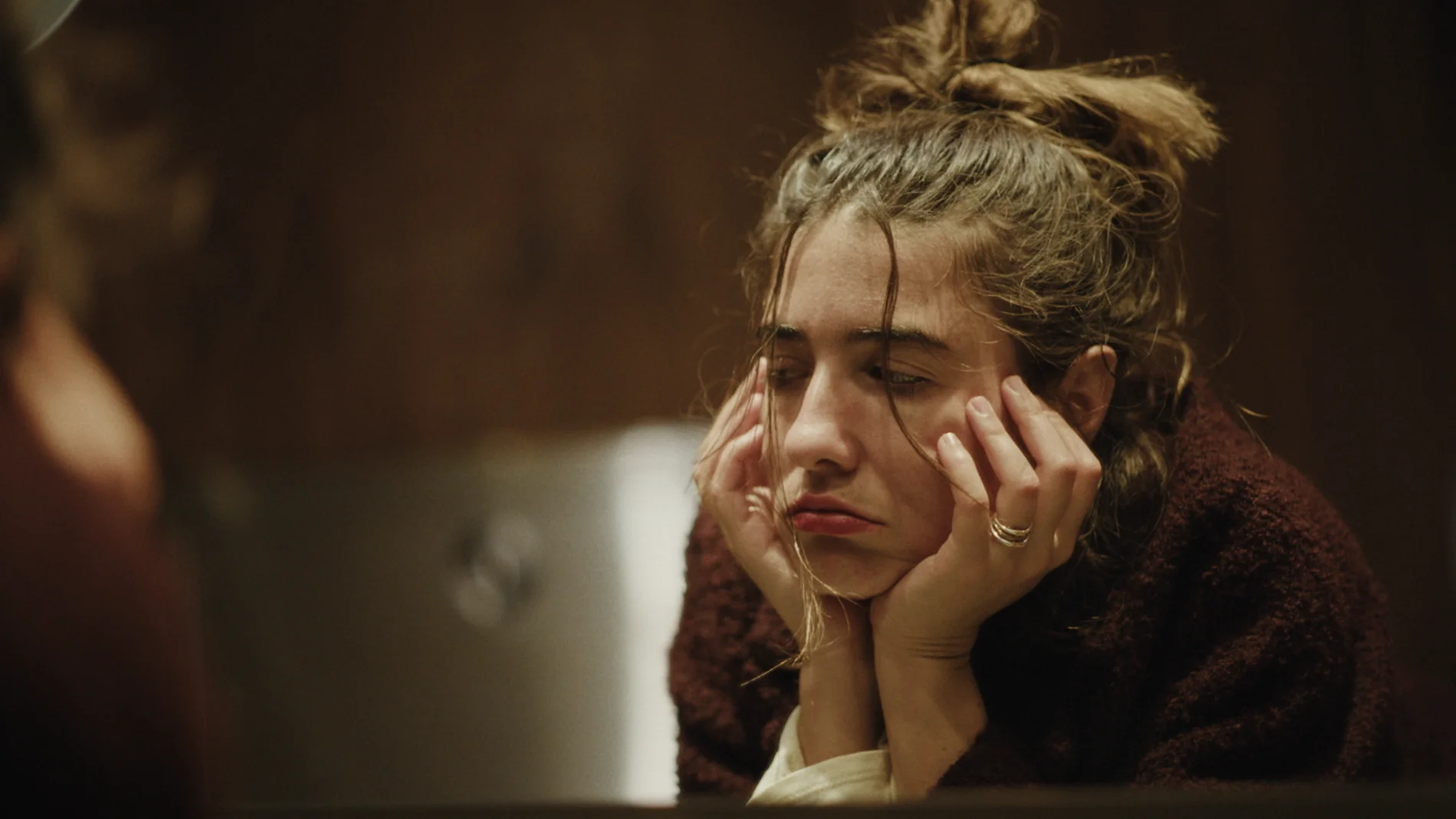
The release marks Prieto's return to television after rising to prominence with Autodefensa, the breakout Spanish comedy series that generated intense conversation upon its debut. Speaking on the day her new series became public, Prieto reflected on the shadow cast by her earlier project, the commercial pressures of generational branding, and the growing business of converting personal pain into marketable media content.
Writing and the shadow of Autodefensa
Prieto co-wrote Segunda Temporada alongside her collaborators Miguel Angel and Victor. Although she confirmed that the project is not a direct sequel to Autodefensa, she acknowledged that there is an unmistakable dialogue between her earlier creative experiences and the narrative of her new protagonist, Paula.
Prieto said that the creative foundation of the series drew completely from the shared journey of its three writers, all of whom had weathered the sudden exposure of Autodefensa. She clarified that the narrative is heavily fictionalised and that Paula is an author, while Prieto noted that she is not a prose writer in real life. However, she emphasized that the emotional core of the series remains entirely true to her experience, especially the lingering feeling that everything that took place around her was completely overwhelming.
That transition into the cultural industry left a lasting impression on the creator. Prieto described how entering the entertainment sector brought an abrupt immersion into unfamiliar industry rules, formal networking events, and unspoken social codes that industry insiders take for granted. She observed that coming into that environment from the outside felt extraordinarily bizarre, leaving her with an enduring sense that much of what surrounded her seemed artificial.
Generational labels and commercial marketing
Following the release of Autodefensa, media outlets and commentators repeatedly described Prieto and her creative circle as the voice of their generation. Prieto rejected the concept, stating that being labelled the voice of a generation is simply an exercise in commercial marketing rather than a genuine artistic description.
She explained that such titles are primarily used to position young creators on promotional retail shelves or within the curated sections of streaming services such as Filmin, where platforms gather contemporary talent under marketable banners. Prieto pointed out that older creators never face the same treatment, noting that nobody applies generational labels to someone who is 66 years old.
Prieto added that she tries not to dwell on the phrase because it functions strictly as a sales mechanism. She compared the trend to the commercial treatment of feminism, which she argued had previously been leveraged by corporate entities to sell book and film titles. For Prieto, Segunda Temporada offered an opportunity to examine how commercial operations exploit youth labels to package and sell contemporary culture.
Fear of being forgotten and turning thirty
The new series also directly confronts the intense pressure young artists face regarding creative longevity, including what Prieto described as the fear of being forgotten. She explained that emerging writers constantly face the anxiety of falling out of fashion or being abruptly supplanted whenever another new cultural voice emerges.
Prieto, who is currently 28 years old, noted that her character Paula is on the verge of turning 30 in the show. She remarked that she expects to experience a major crisis when she reaches 30 herself, if that milestone anxiety has not arrived already. That personal fear connects directly to the precarious nature of youth culture, where institutions focus almost exclusively on instant novelty.
She questioned what happens to young writers when they age, warning that the industry fails to grant them the time, resources, or sustained interest needed to build substantive, long term careers. Without that institutional patience, Prieto warned, the cultural landscape becomes crowded with celebrated debut voices that are never allowed to mature into enduring artistic figures.
To resist those pressures, Prieto stated that she makes a conscious effort to avoid chasing cultural trends. She pointed out that her artistic life remains rooted in theatre, an environment where practitioners do not work simply to be fashionable. Prieto remarked that whenever she catches herself behaving like a trend, she reminds herself to stay disciplined, arguing that worrying about staying relevant or avoiding irrelevance is the direct opposite of her true job as an artist.
Mental health narratives and monetising trauma
Alongside professional anxieties, Segunda Temporada addresses the pervasive mental health issues that affect young adults. When asked about the difficulties Generation Z faces in having their struggles taken seriously, Prieto pushed back against the premise, arguing that recent years have produced an immense volume of narrative material centered on psychological vulnerability.
Prieto observed that Generation Z has led that public conversation to the point where mental health has become an overdiscussed subject. However, she emphasized that widespread exposure has not led to concrete social solutions or structural policy improvements. Instead, society has normalized persistent psychological suffering without resolving it.
To illustrate the point, Prieto pointed to a line of dialogue in the series where Paula confesses that she cannot cope with life and is taking the antidepressant escitalopram, only for her editor to dismissively respond that she takes the same medication and that everyone is on escitalopram. Prieto explained that people have learned to continue operating despite chronic discomfort, reflecting her character's reality of being heavily medicated while continuing her daily routine.
The series explores that phenomenon further through the character of Aitana, a young girl suffering from anorexia who turns her condition into online content to monetise her personal trauma. Prieto argued that Generation Z has adopted mental health so thoroughly that it has become a central identity brand, making it nearly impossible to think of the generation without thinking about psychological distress.
She explained that once an experience becomes a narrative, it inevitably generates marketing opportunities and commercial incentives to monetize trauma. In modern culture, Prieto noted, every intimate experience can be turned into content for profit. She added that commercial self help culture only welcomes suffering once it has been overcome, because publishers require an uplifting story of personal triumph before the pain can be sold.
Upcoming stage work at Centro Dramático Nacional
Prieto explained that her interest in these cultural dynamics does not stem from morbid fascination, but from her perspective as a playwright and screenwriter who sees powerful narrative machinery behind internet culture. She noted that digital spaces generate compelling character narratives that frequently detach from actual truth.
Those concerns will form the basis of her next major project, an upcoming theatre production scheduled to premiere next year at the Centro Dramático Nacional in Madrid. Prieto emphasized that theatre remains central to her artistic identity, providing a grounded space away from the commercial noise of the streaming industry.
She concluded that maintaining artistic focus requires constant self awareness. By examining how modern media commercialises trauma and exploits youth labels, Prieto aims to continue developing a substantial body of work on the screen and on the stage that outlasts temporary industry trends.