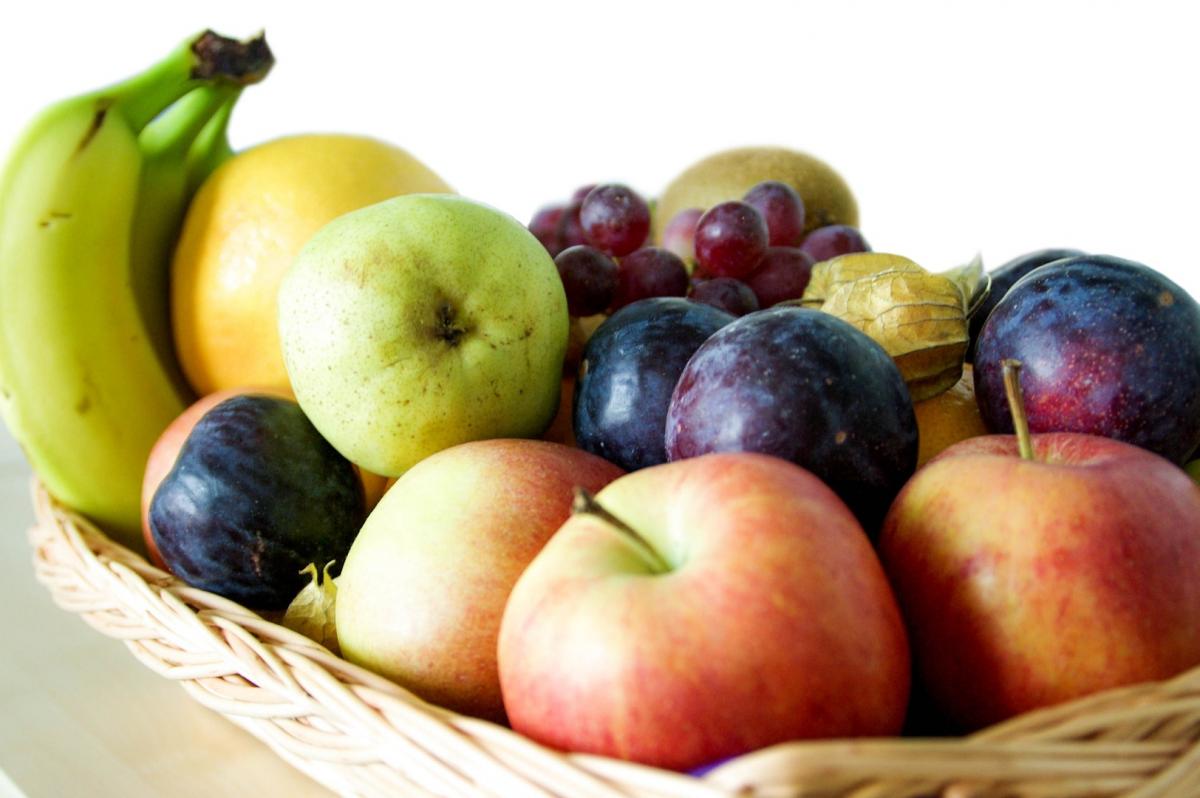
Four registered dietitians interviewed by lifestyle publication Parade have unanimously named bananas as the best fruit for lowering high blood pressure. Lori Wright, Julia Zumpano, Elizabeth Klingbeil, and Joanna Katz all agreed that dietary changes represent one of the simplest methods to manage hypertension, with potassium-rich fruits playing a central role in cardiovascular care.
According to official data from the United States Department of Health and Human Services, a single medium banana provides 422 milligrams of potassium. Research published in Sage Journals Home demonstrates that increasing potassium intake by consuming bananas can lead to measurable reductions in blood pressure within roughly one month.
Hypertension, commonly known as high blood pressure, affects millions of adults worldwide and serves as a major risk factor for heart attacks, strokes, and arterial disease. Clinical guidelines frequently emphasize dietary modifications, particularly increasing potassium to counterbalance dietary sodium, as a primary non-pharmacological strategy for vascular health.
Bananas and cardiovascular health
Lori Wright explained that whole fruit serves as a convenient natural snack that is naturally low in sodium while packed with essential vitamins, minerals, dietary fiber, and antioxidants. She noted that whole fruits help satisfy sweet cravings without added sugars, making them a practical component of a heart-healthy diet.
Wright highlighted potassium as a vital mineral for cardiovascular protection, describing it as a primary superhero for heart health among fruits. She stated that potassium prompts the kidneys to excrete excess sodium from the body while helping blood vessel walls relax, both of which work together to maintain healthy blood pressure levels.
Beyond mineral content, Wright noted that bananas consist of 70 to 80 percent water, helping individuals reach adequate hydration levels more rapidly. She explained that potassium functions as an essential electrolyte that regulates fluid balance and ensures proper muscle operation, including the regular contractions of the heart muscle.
Blood vessel dilation and fiber benefits
Julia Zumpano, a registered dietitian, detailed how bananas ease strain on the circulatory system over extended periods. She stated that potassium and magnesium within the fruit reduce tension across blood vessel walls, allowing vessels to expand so blood flows more freely and reducing overall strain on the heart.
Zumpano added that bananas contain specific antioxidants called catechins, which assist in dilating blood vessels and reducing internal inflammation. She noted that catechins help prevent arterial damage and plaque accumulation, factors that otherwise contribute to long-term hypertension and elevated cholesterol levels.
Dietitian Joanna Katz emphasized that the fiber present in bananas offers both immediate and long-term benefits for cardiovascular wellness. She observed that replacing salty snacks, sweets, or refined carbohydrates with whole fruits like bananas improves overall diet quality, stressing that blood pressure is influenced by a person's entire diet rather than any single food item.
Elizabeth Klingbeil, an assistant professor at the University of Texas and national spokesperson for the Academy of Nutrition and Dietetics, confirmed that bananas assist blood pressure control through their substantial potassium content. She noted that while short-term increases in banana consumption can yield modest pressure reductions, experts agree that keeping bananas in a daily diet can deliver greater reductions that persist over months or years.
Portion sizes and medical precautions
Zumpano noted that while most healthy individuals do not need to worry excessively about fruit portion sizes, people living with obesity, prediabetes, or diabetes should monitor their consumption carefully. She explained that fruit contains natural sugars that can cause blood glucose levels to spike rapidly if consumed alone or in large quantities.
To prevent blood sugar spikes, dietitians recommend eating whole fruits rather than processed juices, which lack dietary fiber and contain concentrated sugars. Zumpano advised avoiding canned or sweetened fruits and suggested keeping portion sizes to approximately half a cup for those watching their glucose levels, while noting that dietitians generally support eating whole fruit freely for others.
Despite the broad health benefits of bananas, Zumpano issued a clear medical warning for individuals diagnosed with kidney failure or chronic kidney disease. Because impaired kidneys cannot properly process and excrete excess potassium, patients with renal conditions must adhere to a strict potassium-restricted diet and consult a physician or registered dietitian before adding bananas to their menu.
Recommended daily intake and alternative fruits
Klingbeil stated that although there is no strict official recommendation for banana intake regarding blood pressure management, eating one medium banana per day can be beneficial for individuals trying to control their pressure. Zumpano offered similar advice, reinforcing that one banana daily is sufficient when combined with other potassium sources, while emphasizing that no single superfood can replace a balanced diet.
Zumpano listed alternative dietary sources of potassium that can accompany bananas, including watermelon, beets, broccoli, oranges, avocados, potatoes, leafy green vegetables, and legumes.
Klingbeil also identified other fruits capable of lowering blood pressure. She described kiwis as an underrated source of nutrients, rich in vitamin C, potassium, and antioxidants that support healthy blood pressure when eaten regularly. She noted that berries contain anthocyanins and polyphenols that improve blood vessel function and reduce oxidative stress while providing heart-healthy fiber, and pointed to oranges as another key fruit whose vitamin C and potassium maintain normal vessel operation.
In separate health reporting, news agency UNIAN previously highlighted seven fruits capable of reducing stress and anxiety by supporting mental health through their content of vitamin C, antioxidants, and fiber. That list of stress-relieving fruits included kiwis, oranges, blueberries, bananas, strawberries, pomegranates, and avocados.