

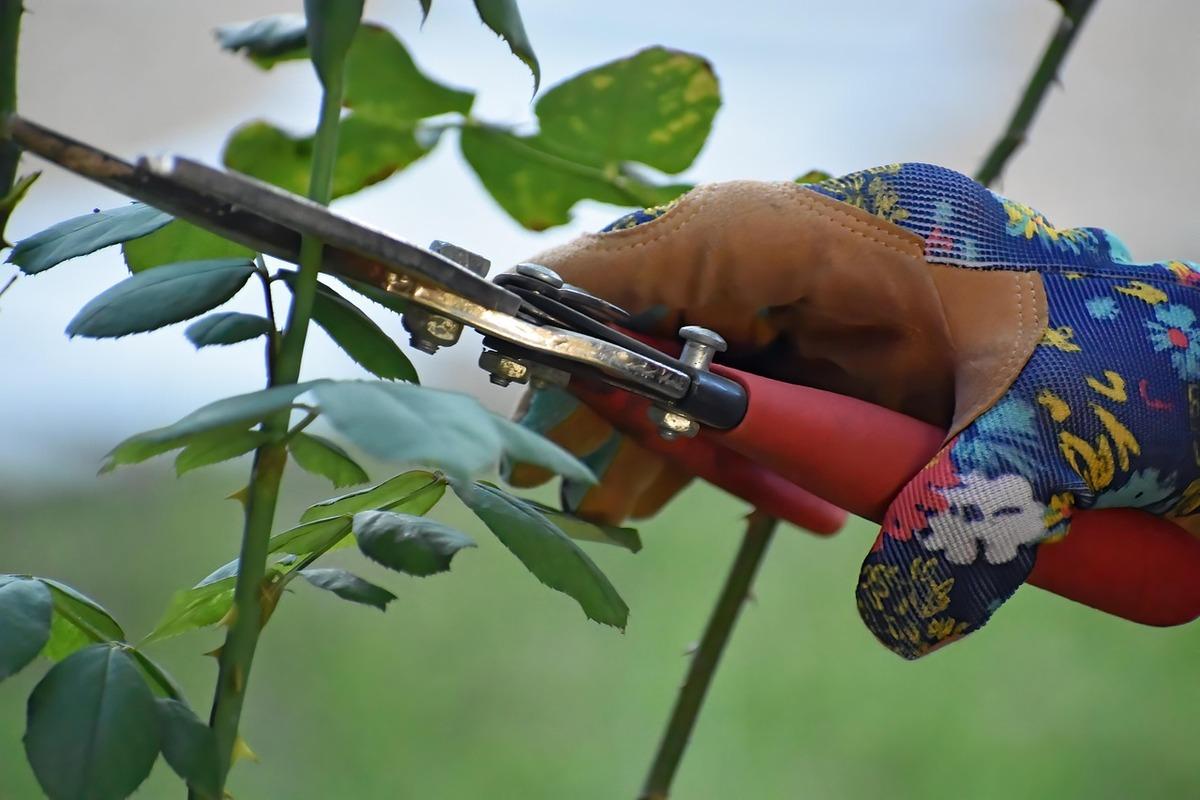
Professional gardener Tim Wood has shared seven essential autumn care recommendations in Better Homes and Gardens to help gardeners prepare their roses for winter.
The advice provides practical techniques to slow plant growth, prevent cold-weather fungal infections and protect delicate graft unions from freezing temperatures.
Wood explained that roses continue growing regardless of how daylight hours shorten in autumn, making proactive seasonal care necessary to ease bushes into dormancy.
Roses are perennial woody flowering plants cultivated worldwide for ornamental gardens, but late-season growth remains highly susceptible to sudden drops in temperature. Without proper maintenance before the arrival of sub-zero conditions, cold damage can ruin spring flowering or kill vulnerable bushes entirely.
Fertiliser reduction and watering schedules
Wood said that gardeners should stop fertilising rose bushes at least eight weeks before the first expected frost of the season. Feeding stimulates tender new shoots that lack the time needed to harden and mature before freezing weather strikes.
In temperate climates, autumn fertilisation keeps nitrogen levels high, encouraging leafy vegetative growth instead of woody lignification. When frost hits, moisture inside these unhardened stems freezes and expands, splitting the bark and inviting bacterial rot.
Watering routines must also change as temperatures drop. Wood pointed out that the standard rule of giving roses at least 2.5 centimetres of water each week applies only during the active growing season.
Autumn soil should remain moist but never waterlogged. Gardeners can check moisture levels by pushing a finger into the soil near the root zone, adding water only when the ground feels dry to the touch.
Excessive standing water around rose roots in cold weather limits oxygen exchange and encourages root decay, while completely desiccated roots can suffer fatal freeze burn during dry winter freezes.
Pruning limits and seed pod preservation
Wood warned against extensive autumn pruning, explaining that cutting back stems stimulates fresh growth that frost will easily destroy. Producing those vulnerable shoots also robs the bush of energy reserves needed to survive winter dormancy.
Gardeners should postpone structural shaping until late winter or early spring, when the worst freezes have passed. Autumn pruning should be strictly limited to removing dead, diseased or damaged stems.
Climbing roses and rambling varieties require targeted autumn attention on exposed sites. Long, loose canes can whip violently in winter winds, injuring the bark and loosening root anchors, so gardeners should trim back excessive length or fasten canes firmly to sturdy supports.
Wood also advised against deadheading spent flowers in late autumn. Removing fading blossoms stimulates fresh bud break, whereas allowing blooms to mature into fruit signals to the plant that its growing cycle has ended.
These ripening fruits, known as rose hips, provide valuable food for foraging birds during the colder months while naturally encouraging the bush to shift into full winter rest.
Fallen leaf collection and disease prevention
Clearing dropped foliage from around the base of rose bushes is another vital autumn task. Wood stressed that gardeners must collect and dispose of all fallen leaves, paying particular attention to any showing signs of black spot infection.
Fungal spores and harmful bacteria overwinter within discarded plant matter on the soil surface. Wood explained that when spring rains arrive, water droplets splash these pathogens upward onto emerging shoots, reinfecting the garden and sparking widespread seasonal disease.
Black spot, caused by the fungal pathogen Diplocarpon rosae, produces dark patches on foliage, causing yellowing and premature leaf drop. Removing garden debris before winter interrupts this fungal lifecycle, significantly reducing disease pressure when spring growth resumes.
Compost applications and protective mulching
To insulate rose roots from harsh conditions, Wood recommended spreading a layer of compost between 5 and 7.5 centimetres thick over the ground surrounding the bushes. This compost blanket protects root systems from the cold and enriches the soil with vital nutrients and beneficial microorganisms in spring.
Growers can top the compost with shredded leaves or wood chips to moderate soil temperatures during recurring winter freeze and thaw cycles, which can otherwise heave soil and expose roots. Wood said that mulch also conserves moisture and stops contaminated soil particles from splashing onto healthy foliage during rainfall.
Gardeners should not rush to apply the secondary mulch layer too early in autumn. Wood noted that the additional protective organic material should be laid down only after hard frosts have settled over the garden.
Winter shelter for grafted and tender varieties
Winter shelter requirements vary depending on climate and rose variety. Wood explained that cold-hardy varieties can withstand severe sub-zero weather without assistance, whereas tender varieties like hybrid tea, floribunda and grandiflora roses need added shelter in cold regions.
Extra protection becomes critical in locations with limited snow cover, where ambient temperatures drop near the minimum survival threshold of a specific cultivar. A thick blanket of natural snow acts as an insulator, but bare ground leaves roots exposed to deep freezing.
The method of protection also depends on whether the rose is grafted onto an underlying rootstock or grown on its own roots. Most commercial cultivars are grafted, meaning the flowering variety is joined to a hardier root system at a distinct swelling known as the graft union.
Wood emphasised that the graft union must be shielded against winter frost. In late autumn, growers should mound soil or mulch over this union, removing the protective mound in spring once freezing hazards pass. If severe frost kills the graft union, only the wild rootstock survives, destroying the chosen variety.
Stem protection methods and rodent prevention
Own-root roses lack a graft union, but their lower stems still require winter care. Wood said that preserving 10 to 15 centimetres of stem containing four to six healthy buds is sufficient to ensure strong spring recovery, though tender climbing varieties should be wrapped as thoroughly as possible.
To construct effective barriers, Wood recommended mounding soil around the stems or erecting wire mesh enclosures filled with shredded leaves or shredded bark mulch. He advised against using commercial styrofoam cones, noting that soil, mulch and wire cylinders cost less and do not take up storage space.
Wood added that wire mesh and mulch shelters should be installed only after the first frosts arrive. Delaying installation gives plants time to drop their leaves naturally and discourages mice and rabbits from nesting inside the warm organic bedding to feed on rose canes.
Ukrainian news agency UNIAN, which reported Wood's advice, noted that November remains an active period for garden work, with gardeners across the region preparing various ornamental shrubs for winter dormancy.


