

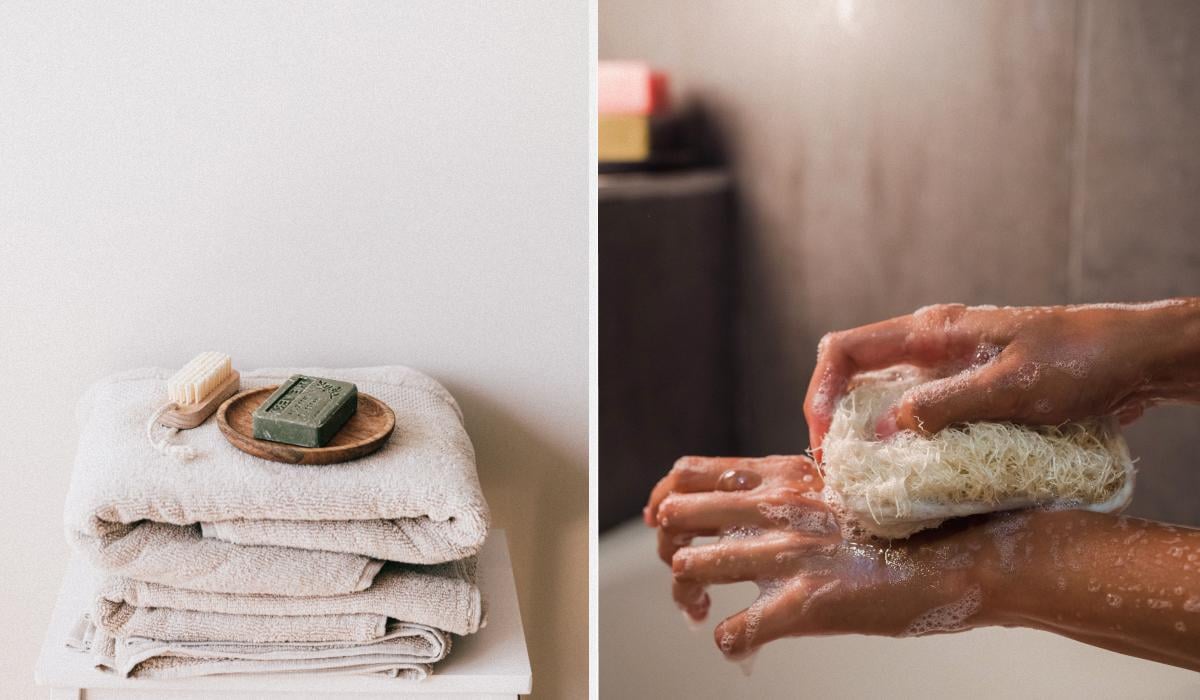
A body care trend originating in Asia is replacing traditional bar soap and hard loofahs with gentler cleansing balms and oil-infused gels. Skincare routines are shifting toward delicate methods designed to preserve natural skin moisture rather than harsh scrubbing.
Conventional solid soap typically carries an alkaline pH, whereas natural skin is slightly acidic. This chemical mismatch means daily scrubbing with solid soap can weaken the protective barrier of the skin over time, accelerating dryness and irritation.
Human skin maintains a delicate acid mantle, usually measured between 4.5 and 5.5 on the pH scale, which guards against environmental stressors and moisture loss. Hydrophilic oils and oil-infused gels contain emulsifiers that transform the oil into a soft emulsion upon contact with water, allowing dirt to rinse away without stripping essential lipids.
To test if a cleansing product is too harsh, individuals can monitor how their skin feels immediately after showering. If the skin feels tight and requires immediate moisturizing cream, replacing standard soap with a mild gel for one week provides a direct comparison. Routine daily showering does not require aggressive friction or a loofah, as applying cleanser by hand is sufficient to keep the body clean.
Exfoliation and water temperature guidelines
Specific guidelines apply when using tools for deeper skin cleansing. Daily washing requires only hands, but a dry brush may be used once or twice a week for brief, gentle exfoliation without heavy pressure. However, any use of dry brushes or rigid loofahs should be paused whenever skin is inflamed, irritated, or broken.
Dry brushing is a traditional exfoliation practice that uses natural bristles on dry skin to sweep away dead surface cells. When used too frequently or with excessive force, abrasive tools can create micro-tears in vulnerable outer skin layers.
Water temperature and shower duration also play a critical role in skin health. Prolonged exposure to excessively hot water worsens skin dehydration, making warm water and shower times restricted to 5 to 10 minutes ideal. Applying body cream or lotion immediately after stepping out of the shower while skin remains damp helps lock in hydration.
Rethinking daily cleansing habits
The emerging trend does not demand a complete prohibition of soap or sponges, but rather a shift in daily habits. Cleansing should focus on removing surface dirt without stripping skin to the point where it feels squeaky clean.
In previous advice on household care, recommendations were published on using a simple home method to remove limescale buildup from shower heads.


