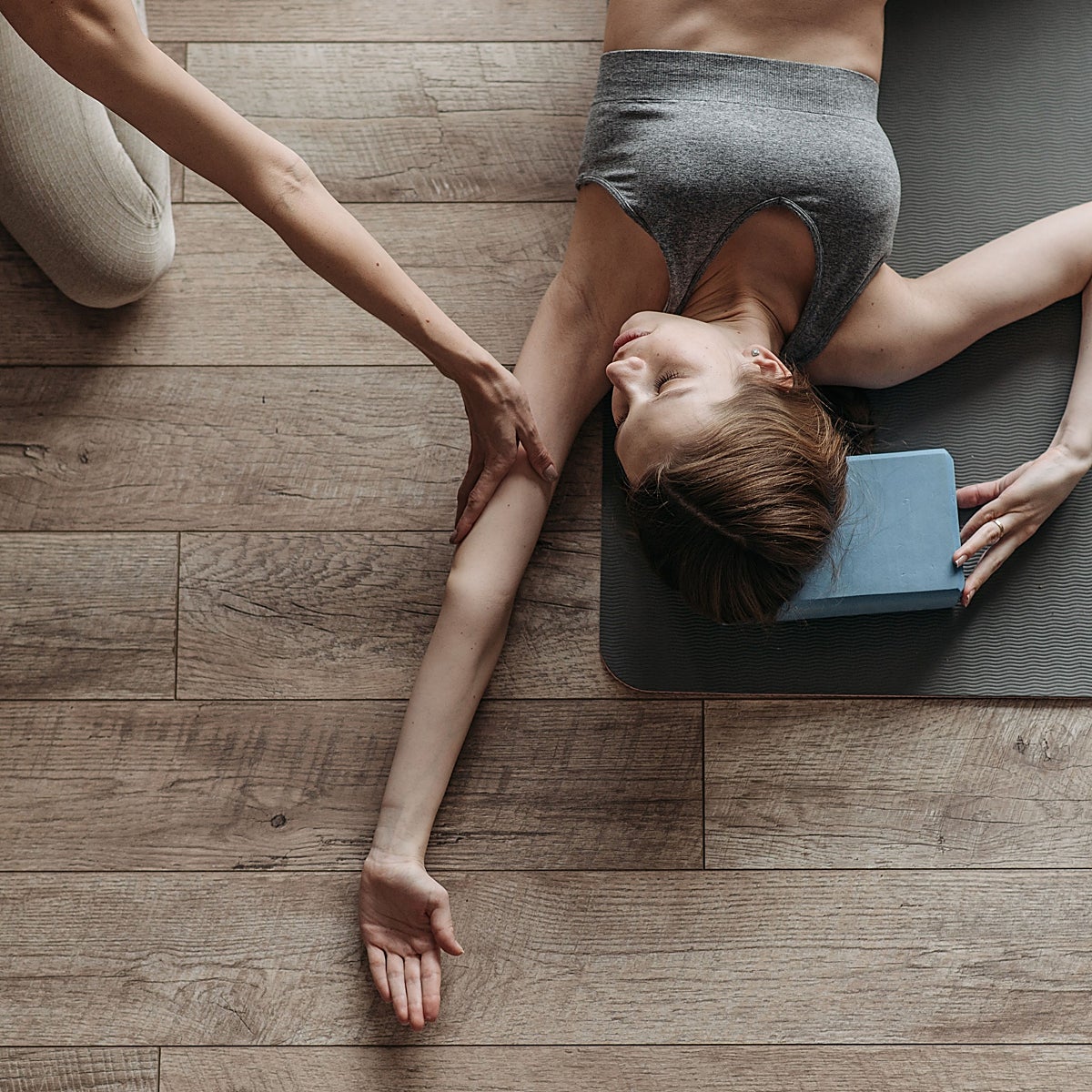
Yoga instructor Noemí Marcos has explained the difference between Yin Yoga and restorative yoga, saying Yin Yoga invites practitioners to stay in a posture and observe, while restorative yoga invites them to let go and rest.
Marcos, who posts as @hotyogaaltea, teaches hot yoga, yin and vinyasa, and trains teachers at her international school, Hot Yoga Altea, which is accredited by Yoga Alliance. She also organises yoga retreats around the world. She said what most surprises her students is that staying still is harder than they expect.
In Yin Yoga, postures are held for several minutes with the muscles fairly relaxed, allowing the body's tissues to stretch gently over a sustained period. The hard part, Marcos said, is remaining in the posture without moving or becoming impatient.
Restorative yoga takes a different approach. It focuses on deep rest and keeping effort to a minimum, using cushions, blankets and blocks to support the body so it can stay comfortable for a long time. Marcos said the most common confusion is assuming both practices simply mean lying down and relaxing. In Yin Yoga there can be moderate tension, she said, whereas restorative yoga aims to have almost none.
What happens in the body during a long hold
Marcos said the soft, sustained load involved in holding a posture for several minutes can affect the muscles, joint capsules and other tissues, depending on the posture and each person's anatomy. With practice, she said, it builds range of motion and body awareness. But she urged caution, saying people should not assume that holding a posture for longer necessarily produces better results.
Tension yes, pain no
Marcos said the most important part of her work is teaching students to tell the difference between a tolerable stretch and a warning sign. A mild, localised and stable tension can be part of the practice, she said. A sharp, stabbing or electric pain is something else entirely, as are tingling, numbness or pain that keeps increasing. Any of those signs, she said, means a student should leave the posture or adjust it immediately.
There is also no need to chase maximum range of motion, Marcos said, since every body has a different anatomy and experiences a posture differently. She said she often tells students they do not need to reach their limit for the practice to be worthwhile. Often, she added, what people really learn is to recognise when they have reached the right intensity and to stop pushing beyond it.
Why autumn is a good time for Yin Yoga
Asked why autumn suits the practice, Marcos described it as a season of transition, when nature slows down, days grow shorter and temperatures fall. She said that makes it a good moment for a practice that encourages people to pause. In her autumn classes, she gives more attention to postures for the hips, pelvis, back and legs, extends the final relaxation, and pays close attention to the lighting and temperature of the room. She also leaves more moments of silence so each student can focus on their breathing.
Who should try it, and who should be careful
Marcos said Yin Yoga can be especially valuable for people who live at a fast pace, struggle to switch off, or are used to judging an activity by how tiring it is. It can also suit people who already do dynamic yoga, run or do strength training and want to add something calmer. No previous experience is needed, she said, since postures can be adapted with cushions, blocks and blankets. However, anyone with a recent injury, persistent pain or hypermobility may need adjustments or professional advice before starting.
Stillness can also have an emotional side. Marcos said it can sometimes bring up sadness, unease or uncomfortable memories in some people, though that does not mean there is hidden trauma. Because of this, she makes clear before a first class that no one is obliged to close their eyes, stay silent or hold a posture that makes them feel unwell. She said she is especially careful with students who have intense anxiety or traumatic experiences, and offers alternatives so each person can decide how far they want to go.
Marcos does not believe everyone needs to take up Yin Yoga simply because autumn has arrived. If someone enjoys walking, meditating or a more dynamic style of yoga more, she said, there is no need to change. For her, the season is simply a good excuse to pause and consider what the body needs at that moment. As she put it, it is a tool that can help people find more balance between activity and rest when it fits what they actually need.
Test yourself
According to Noemí Marcos, what does Yin Yoga invite practitioners to do?
Which organisation accredits Marcos's international yoga school, Hot Yoga Altea?
Why does Marcos recommend practices like Yin Yoga during autumn?