

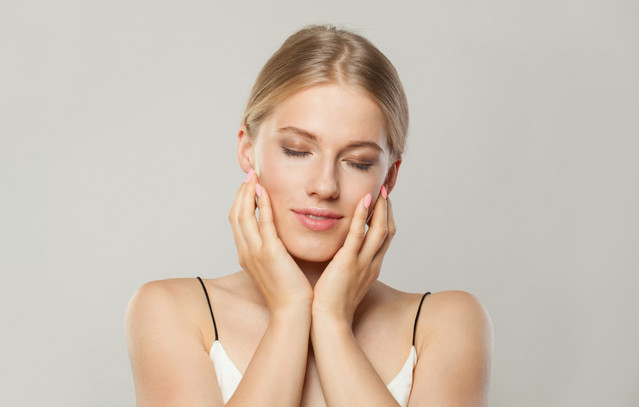
Waking up on vacation to a puffier face than usual is more common than you might think, and it is rarely a sign of a health problem. According to experts at the Cleveland Clinic and the American Academy of Dermatology, the cause is almost always a temporary condition linked to everyday habits.
Six reasons your face swells in summer
High temperatures cause blood vessels to expand, which can lead to mild swelling, especially around the eyes and cheekbones. Prolonged sun exposure makes the effect more noticeable.
Salt intake also plays a role. Summer tables tend to feature cheeses, cured meats, chips, and ready-made snacks that are high in sodium, and excess sodium encourages the body to retain fluid, which often shows first in the face.
Alcohol is another factor. The specialists note that heavy consumption dehydrates the body, prompting it to hold on to whatever fluid it has, resulting in a puffier face the next morning.
Poor sleep quality, even when the total hours are long, can slow proper fluid circulation. Heat, air conditioning, and irregular bedtimes all affect sleep on holiday.
Dehydration, counterintuitively, produces the same effect: when the body does not receive enough water, it retains what it has. Finally, seasonal allergens such as pollen, dust, or sea salt can irritate the eyes and surrounding area, causing light swelling that usually fades within a few hours.
How to reduce the puffiness
Drinking enough water, limiting salty food and alcohol, and applying a cool face roller or cold compress around the eyes can help quickly. If swelling persists and is accompanied by severe pain, difficulty breathing, or appears suddenly without an obvious cause, the experts recommend seeing a doctor, as it may indicate an allergic reaction or an underlying health issue.


