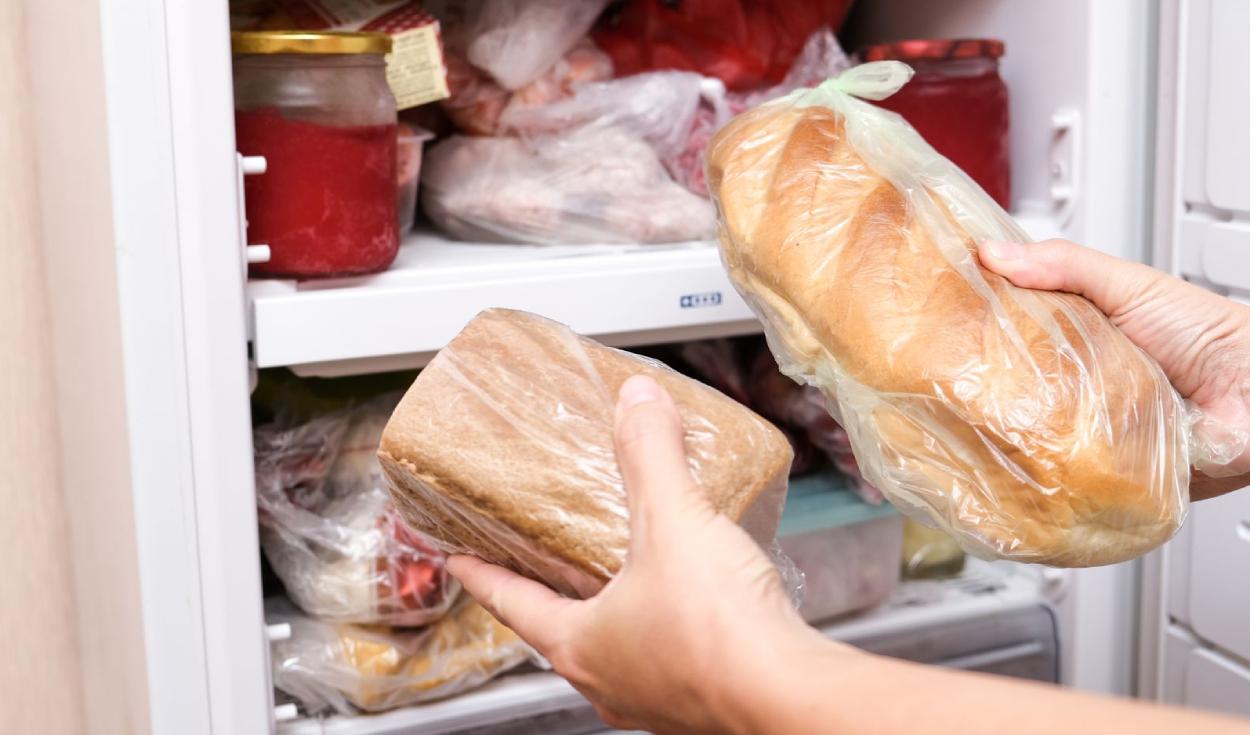
Storing bread in the refrigerator might seem like the smart way to keep it fresh for longer, but new reporting suggests the opposite is true. According to Metropolitan, a side-by-side test comparing two portions of the same white bread, one kept in the fridge and one left on the kitchen counter, found the chilled half turned noticeably harder and less pleasant to eat after just one day, while the counter half held its texture far better.
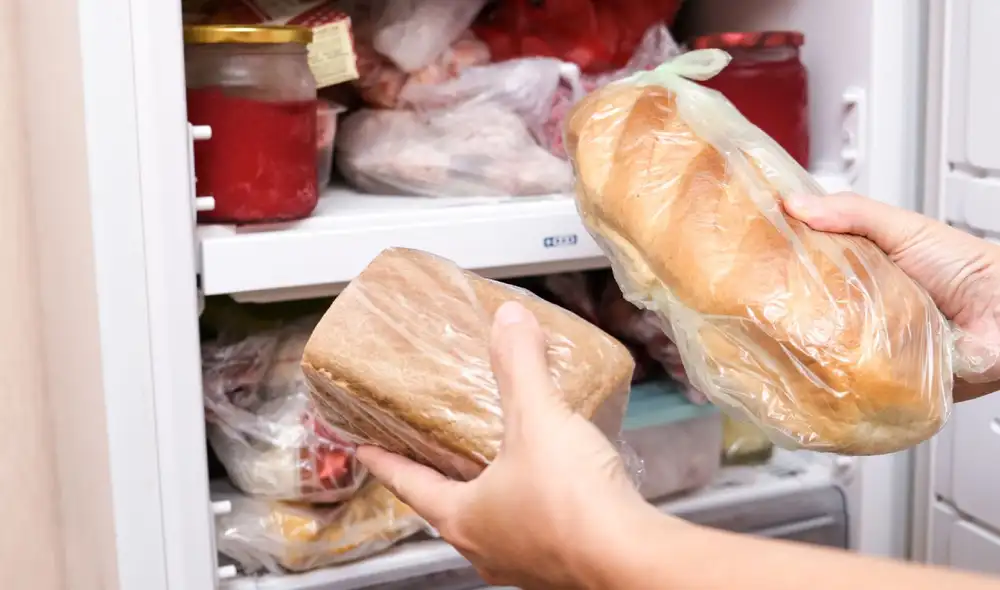
The culprit is not spoilage but a natural process called starch retrogradation. During baking, heat and water reshape the starch molecules in the dough. Once the loaf cools after coming out of the oven, those molecules gradually settle back into a more ordered structure, and the crumb loses elasticity and firms up as a result.
Why cold speeds up staling
That hardening happens over time regardless of where bread is stored, but temperature changes how fast it occurs. Contrary to what many people assume, the cold environment inside a typical fridge does not help preserve texture. Instead, standard refrigerator conditions can speed up retrogradation, making bread go stale sooner than it would at room temperature.
A study cited by the Croatian outlet Podravski List found that bread hardened about 41% faster at 8°C than at 22°C. That gap helps explain why a loaf kept in the fridge can lose its softness in less time, even before any visible signs of spoilage appear. Going stale does not mean the bread has gone bad. It is a structural change that mainly affects texture and eating experience, not safety.
So should bread ever go in the fridge?
Refrigeration is not without benefit. Low temperatures can slow the growth of mould, particularly in warm, humid environments. So while chilling is not the best way to keep the crumb soft, it can help with a separate problem: mould during storage.
The key is separating two different issues, texture and spoilage. A loaf can remain microbiologically fine and still be too hard to enjoy. Likewise, bread that still looks soft is not automatically free of the risks tied to poor storage.
For bread that will be eaten within a day or two, the better approach is usually to leave it at room temperature, in a dry spot and a suitable container. Refrigeration is not necessary to extend shelf life, especially when the goal is preserving the qualities of a freshly baked loaf.
How to keep bread fresh for longer
Where bread is stored is not the only factor. Protecting it from moisture loss and excess steam also matters. A clean bread box can limit exposure to air and stop moisture building up too much. Crumbs should also be cleared out after each use, since leftover bits can encourage mould.
The type of bag used matters too. Paper bags work better for crusty varieties, though they let the crumb lose moisture faster. Plastic bags hold onto water better and help keep the inside soft, but they can soften the crust and encourage fungal growth in less favourable conditions.
It also helps to choose a cool, dry spot away from sunlight. Bread should not be left near the stove, oven or other surfaces exposed to heat, since high and fluctuating temperatures can harm how well it keeps.
For longer storage, freezing is the more practical option. The recommended approach is to slice the loaf, pack the slices into a well-sealed container and freeze them, so only the amount needed for a given meal has to be thawed, without exposing the rest to repeated temperature changes.
A simple trick for softening stale bread
If bread has already gone hard, there is a temporary fix, as long as it shows no mould or other signs of spoilage. One option is to place slices in a toaster or in the oven for a few minutes. The heat temporarily alters the starch structure, letting the crumb regain some softness while the surface turns crisp again.
For a larger loaf, lightly dampening the crust with a little water before putting it in a hot oven for a few minutes works the same way. The amount of water should be modest, so the surface does not end up too wet.
This fix is not permanent, though. The effect of the heat fades quickly, and once the bread cools, the hardening process resumes. For that reason, it is best eaten right after reheating.
There is one important exception: if mould appears, cutting away the affected area is not enough. The fungus can spread inside the bread, even into parts that still look fine. In that case, the safest move is to throw out the whole loaf.
Choosing the right method depends on timing
Which storage method works best depends on how soon the bread will be eaten. For one or two days, room temperature combined with a bread box or suitable container tends to give better results for texture. For longer storage, the freezer is the more appropriate choice.
The fridge can delay mould, but it is not the best option for keeping the crumb soft. That difference explains why putting bread somewhere colder does not always mean keeping it in better condition.