Verywell Health has identified seven low-calorie foods that help people feel full and satisfied without relying on salad alone, pointing to their water, fiber and protein content.
Research published in the journal Medical Clinics of North America found that eating a variety of low-calorie foods helps build a sustainable diet, rather than depending on a single food such as salad, the outlet reported. Verywell Health then listed seven foods worth adding to a diet.
Broccoli and asparagus
Ninety grams of raw broccoli contains 35.1 kilocalories, according to the US Department of Agriculture. Broccoli is rich in nutrients that support satiety, containing plenty of water and fiber that help with weight control, the article said. Fiber in broccoli also supports digestive health, promoting regular bowel movements and reducing inflammation.
The article said broccoli contains glucoraphanin, a natural compound the body converts into sulforaphane when the vegetable is chewed or digested. Animal and laboratory studies suggest sulforaphane may help regulate metabolism by reducing the formation of fat cells and increasing energy-burning activity in fat tissue.
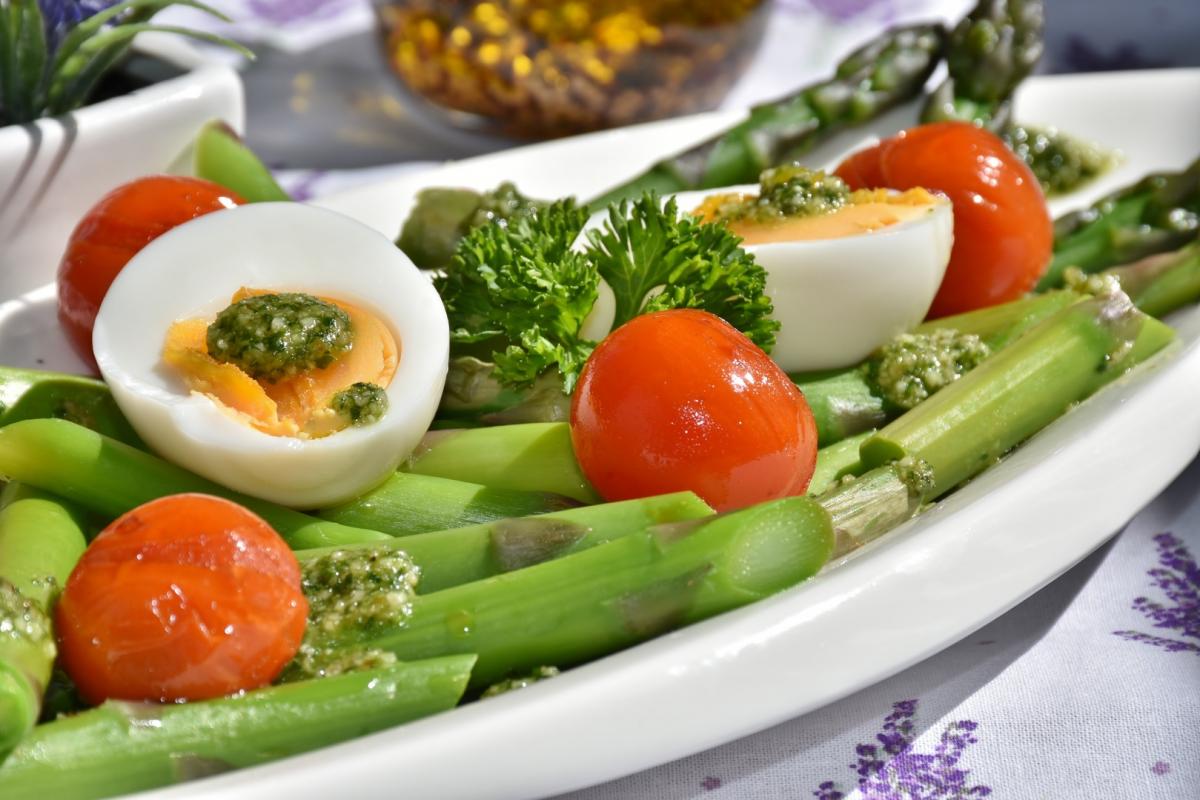
Meanwhile, 180 grams of cooked asparagus contains about 3.5 grams of fiber and roughly 4 grams of protein, while providing just under 40 kilocalories, according to USDA figures. The author said asparagus's high water content, combined with its fiber and protein, makes it a low-calorie food that allows for large portions while consuming minimal calories.
Research published in the journal Foods found that asparagus contains natural fructans, a type of fiber with a prebiotic effect similar to commercial inulin supplements, which feed beneficial gut bacteria. Healthy gut bacteria contribute to better digestion, immunity and even weight control, the outlet noted.
Watermelon
Watermelon has low energy density, meaning it contains relatively few calories compared with its volume, the article said. Foods with low energy density increase feelings of fullness and reduce overall calorie intake, allowing for better control of appetite and weight.
The outlet said watermelon naturally satisfies hunger thanks to its high water content, and studies of low energy density diets show that water-rich foods can help people feel full without consuming excessive calories.
Eggs and Greek yogurt
One whole boiled or poached egg contains approximately 71.5 kilocalories, according to the outlet, along with 6.2 grams of high-quality complete protein containing all nine essential amino acids.
Clinical research shows that protein-rich meals, including eggs, increase satiety and suppress appetite-related hormones such as ghrelin more effectively than many carbohydrate-based breakfast options, the author wrote. Several studies also found that eating eggs increased muscle protein synthesis and reduced fat mass, contributing to better body composition. Eggs also increased fullness during the meal itself, potentially leading to lower overall energy intake, according to the outlet.
One cup of nonfat Greek yogurt contains 129 kilocalories and 23 grams of protein, relatively low for the calorie count. The straining process used to make Greek yogurt removes much of the liquid whey, concentrating the protein and reducing the carbohydrate content compared with regular yogurt, the article explained.
In one study involving 50 women who were overweight or living with obesity, Greek yogurt increased feelings of fullness within 30 minutes, suggesting a potential positive effect on weight through appetite suppression, according to the outlet.
Brown rice and white fish
Half a cup of cooked brown rice contains 120 kilocalories. This portion provides more dietary fiber than white rice, allowing for a filling starchy dish without a high calorie count. The author explained that meals higher in fiber slow gastric emptying, meaning people can eat less without feeling hungrier.
According to the outlet, brown rice retains the bran and germ of the grain, which contain fiber and resistant starch. These components contribute to slower digestion and a more stable blood sugar response, both factors linked to better satiety and appetite control.
Eighty-five grams of white fish, a category that includes cod, haddock, halibut and tilapia, contains 146 kilocalories, about 21 grams of complete protein and less than 1 gram of saturated fat. Research shows fish provides a high level of satiety, helps control appetite and causes a smaller glycemic response after eating compared with other sources of animal protein, according to the outlet.
In one study, eating fish twice a week for 10 weeks significantly increased skeletal muscle mass and lean body mass in adults aged 50 to 85. Since lean muscle tissue is metabolically active, maintaining or increasing muscle mass can, over time, contribute to a higher resting metabolic rate, meaning more calories burned, the author wrote.
Related coverage
The outlet earlier reported on 12 foods that offer more satiety than bread, noting that eggs, oatmeal, legumes and yogurt can keep people full longer thanks to fiber and protein, while vegetables, fruit and soups do so thanks to their water and fiber content.