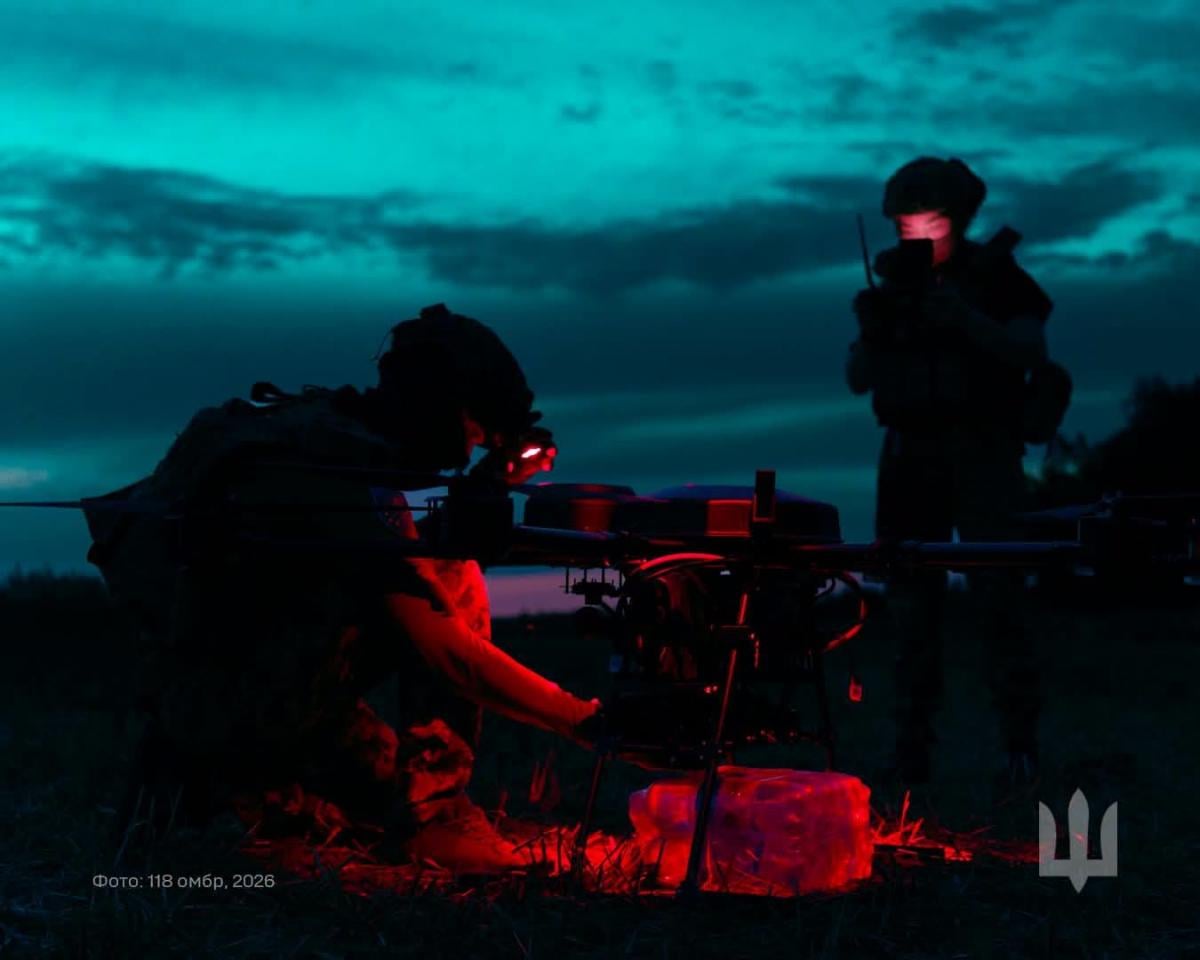
The war in Ukraine has turned into an escalating battle for the skies as ground combat remains largely frozen, The New York Times reported. Aerial warfare now spans from a few meters above the ground up to low Earth orbit, alongside a race for artificial intelligence and control over radio wave frequencies.
Russia has taken advantage of weakened Ukrainian air defenses to launch record attacks. In July, Russia carried out 126 missile strikes across Ukraine, marking the highest monthly figure of the war. These missile and drone attacks killed about 400 Ukrainian civilians, the highest monthly civilian death toll recorded since April 2022.
The New York Times reported that the air war unfolds in waves across the sky, targeting distant cities and military sites in both nations, often in total darkness, and becoming increasingly deadly for both sides. Ukraine aims to inflict economic hardship inside Russia through long-range strikes in deep Russian territory and occupied Crimea. Meanwhile, Russia seeks to weaken Ukraine by making its cities unlivable.
Weapon innovation and defense weaknesses
Both nations are rapidly developing new weapons to increase their strike capabilities. Russia has begun launching jet-powered Shahed drones and glide bombs, expanding a satellite constellation, and developing cheap cruise missiles. Ukraine is enhancing its drone arsenal with advanced navigation and communication systems while testing ballistic missiles. Both sides are using new methods to counter electronic jamming and deploying autonomous targeting systems that operate without human intervention.
Air defense remains a critical vulnerability for both militaries. Ukraine faces an acute shortage of Patriot missiles to counter Russian ballistic strikes. Conversely, Russia struggles to protect its vast territory. The publication noted that Kyiv opened gaps in Russia's air defense network by adapting software, equipment, and tactics, splitting the once formidable shield into isolated zones.
Ukraine leverages these air defense gaps to hit logistics targets deep inside Russia and near the front lines. Ukrainian pilots are authorized to divert from primary targets if they spot high-priority targets such as Russian radar systems or missile launchers. However, Russia maintains an advantage in industrial production, producing thousands of drones and hundreds of missiles each month while supplementing its arsenal with missiles from North Korea.
Technological leadership in the sky
Ukrainian President Volodymyr Zelenskyy said that national size is less decisive in this phase of the war than which side proves smarter, adding that Ukraine remains competitive in the battle for the sky. Military analysts noted that the current stage of the conflict is driven by technology and innovation. They added that Ukraine has built its own military-industrial base and established itself as a global leader in uncrewed systems.