

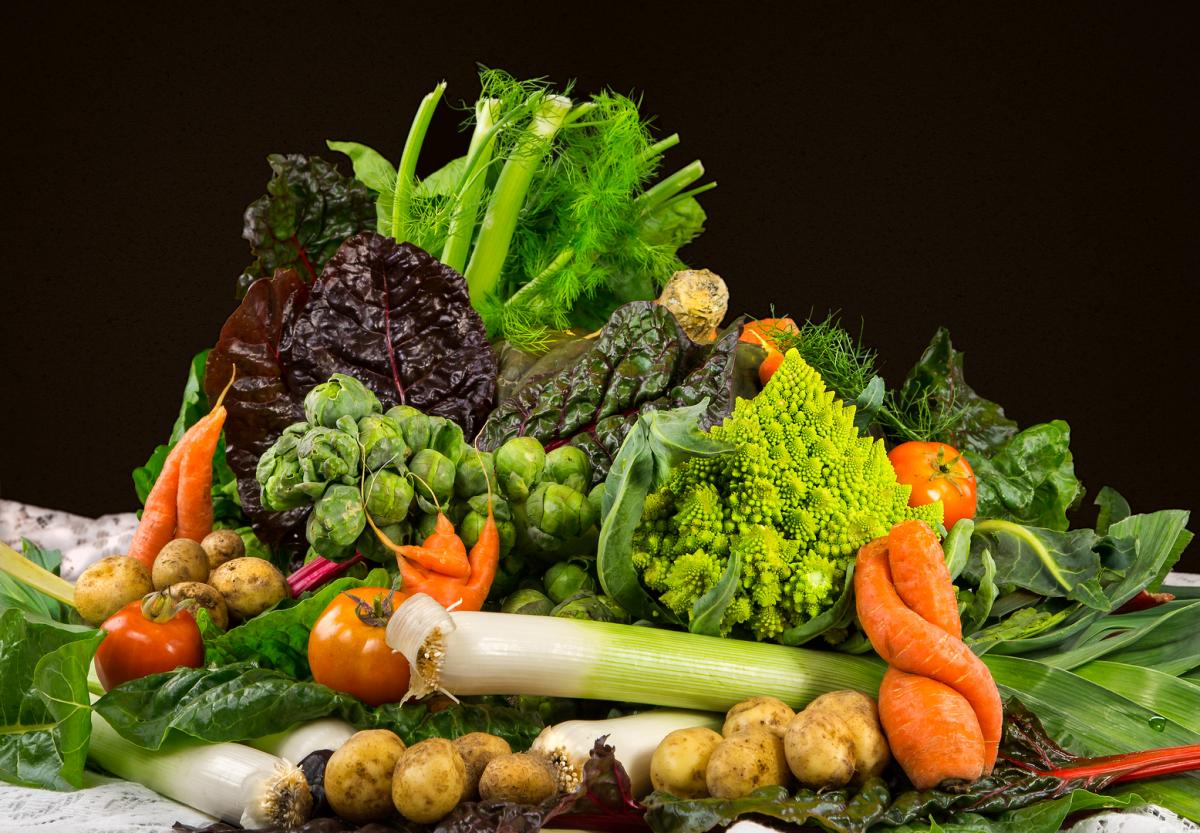
Probiotic foods like yogurt, kefir and kombucha tend to dominate gut health conversations, but vegetables play an equally important role in maintaining the microbial balance behind healthy digestion and a strong immune system, according to experts cited by Prevention.
Gastroenterologist Dr. Rudolf Bedford said asparagus contains very high levels of prebiotic inulin fiber as well as antioxidants. A study in the journal Foods identifies those antioxidants as rutin, quercetin, kaempferol, vitamin C, vitamin K and other compounds that support gut health and general wellbeing.
Registered dietitian Stephanie Crabtree named artichokes as another excellent source of inulin, adding that they are rich in antioxidants and work well in salads, grain dishes or on homemade pizza.
Cruciferous and Allium Vegetables
Crabtree recommended including cruciferous vegetables such as broccoli, cauliflower, Brussels sprouts and cabbage. Beyond fiber, she said these contain plant compounds called glucosinolates, which convert into bioactive compounds linked to the body's natural detoxification processes, cell health and a reduced risk of several chronic diseases.
Both experts also recommended eating more allium vegetables, including onions, garlic and leeks. Crabtree said these provide prebiotic fiber that feeds beneficial microorganisms, along with vitamin K and antioxidant-rich plant compounds.
Shiitake Mushrooms and Fermented Vegetables
Although shiitake mushrooms do not contain inulin, Crabtree noted they provide beta-glucan, a type of beneficial fiber also found in oats, which supports both gut and immune health.
Fermented vegetables such as kimchi, sauerkraut and pickles also rank among the best probiotic foods for gut health and help maintain a diverse microbiome, the experts said.


