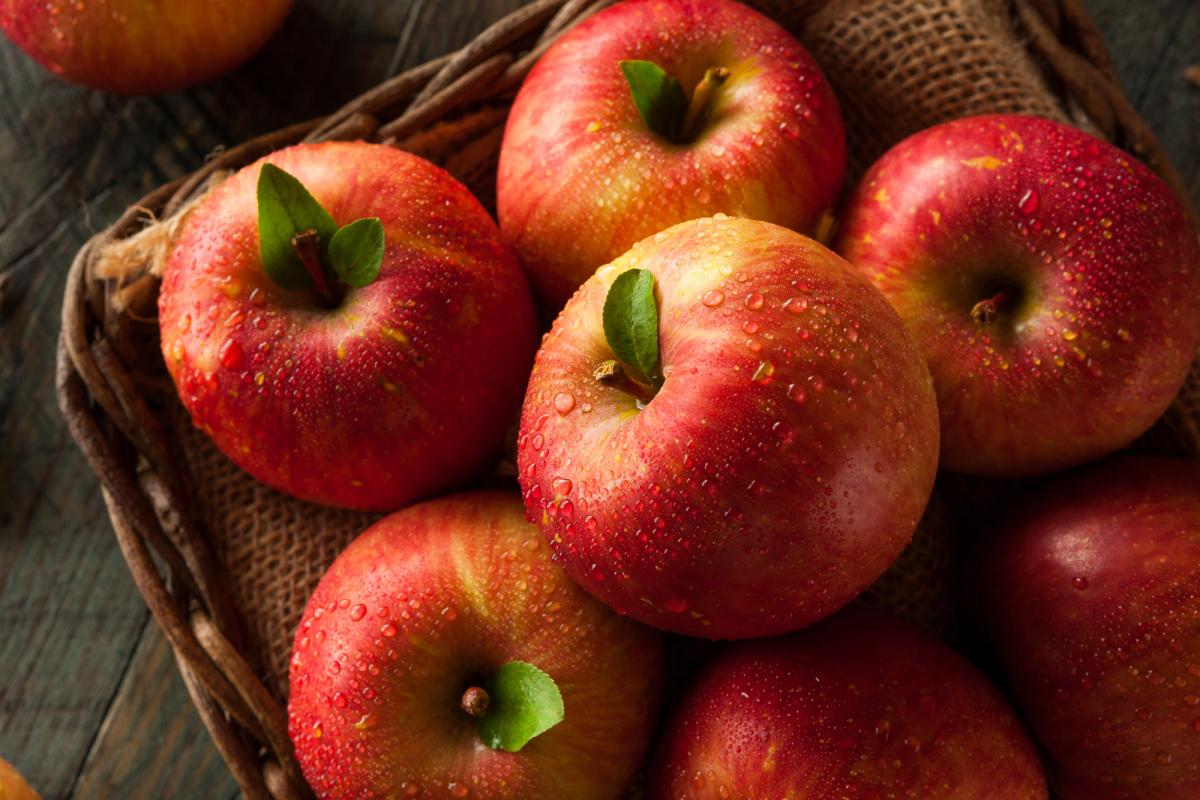
Six common vegetables contain significantly more dietary fiber per serving than apples, supporting heart and digestive health, health publication Verywell Health reported. While apples are widely recognized as a convenient source of nutrition, several legumes and root vegetables exceed their fiber content per standard portion.
A single 28 gram serving of apples provides 5 grams of dietary fiber, representing 14 percent of the recommended daily intake. Dietary fiber is an essential plant-based carbohydrate that passes through the human digestive system undigested, helping maintain healthy cholesterol levels and optimal gut motility. However, multiple vegetable alternatives offer even higher nutritional density per serving.
Legumes and artichokes leading fiber counts
Artichokes rank among the top plant sources evaluated by Verywell Health, providing 6.84 grams of fiber in one medium-sized artichoke. That amount delivers 24 percent of the daily recommended intake. Artichokes are particularly rich in prebiotic fibers, which feed beneficial gut bacteria, aid blood sugar regulation, and maintain low carbohydrate totals for diet-conscious consumers.
Black beans offer an even higher fiber content, delivering 7.6 grams of fiber in a half-cup serving of cooked beans, which satisfies 27 percent of the daily requirement. Eating two full cups of cooked black beans completely covers an individual's total daily fiber needs. In addition to fiber, black beans supply essential B-complex vitamins that assist in cellular energy metabolism.
Peas provide 4.4 grams of fiber per half-cup cooked serving, amounting to 16 percent of the daily recommended value. Research notes that cooked peas combine high protein content with low caloric density, yielding 4.3 grams of protein and 67 calories in the same half-cup portion.
Nutrient dense root vegetables and greens
Cooked pumpkin pulp stands out as the highest single-cup source listed in the report, yielding 9 grams of fiber per cup, or 32 percent of the daily requirement. Studies show pumpkin serves as a nutrient-dense carbohydrate source that supplies significant amounts of potassium, vitamin A, and B vitamins alongside its fiber content.
Sweet potatoes deliver 8.2 grams of fiber per cooked cup, covering 29 percent of the daily value. Data from the United States Department of Agriculture (USDA), the federal executive department responsible for agricultural policy and nutritional guidelines, confirms the nutritional profile of cooked sweet potatoes. Research highlights that sweet potatoes are also packed with vitamin A to support vision, skin, and cognitive health, as well as potassium and vitamin B6.
Broccoli rounds out the list with 5.1 grams of fiber per cooked cup, supplying 18 percent of the daily recommended intake. Whether consumed raw, baked, or steamed, broccoli retains its fiber volume while supplying calcium, antioxidants, and vitamins K, C, and A, which together promote anti-inflammatory effects in the body.
Dietary research on blood sugar and minerals
The findings build on broader dietary guidance highlighting how specific plant foods manage key physiological functions. Nutritionists previously identified 10 varieties of nuts rich in magnesium, an essential mineral required for regulating blood pressure, maintaining blood glucose stability, and enabling nerve and muscle function.
Separate scientific investigations identified a primary spice effective at reducing blood glucose levels. Researchers noted that incorporating this specific spice into daily meals offers targeted benefits for individuals managing type 2 diabetes, a metabolic condition affecting how the body processes blood sugar.