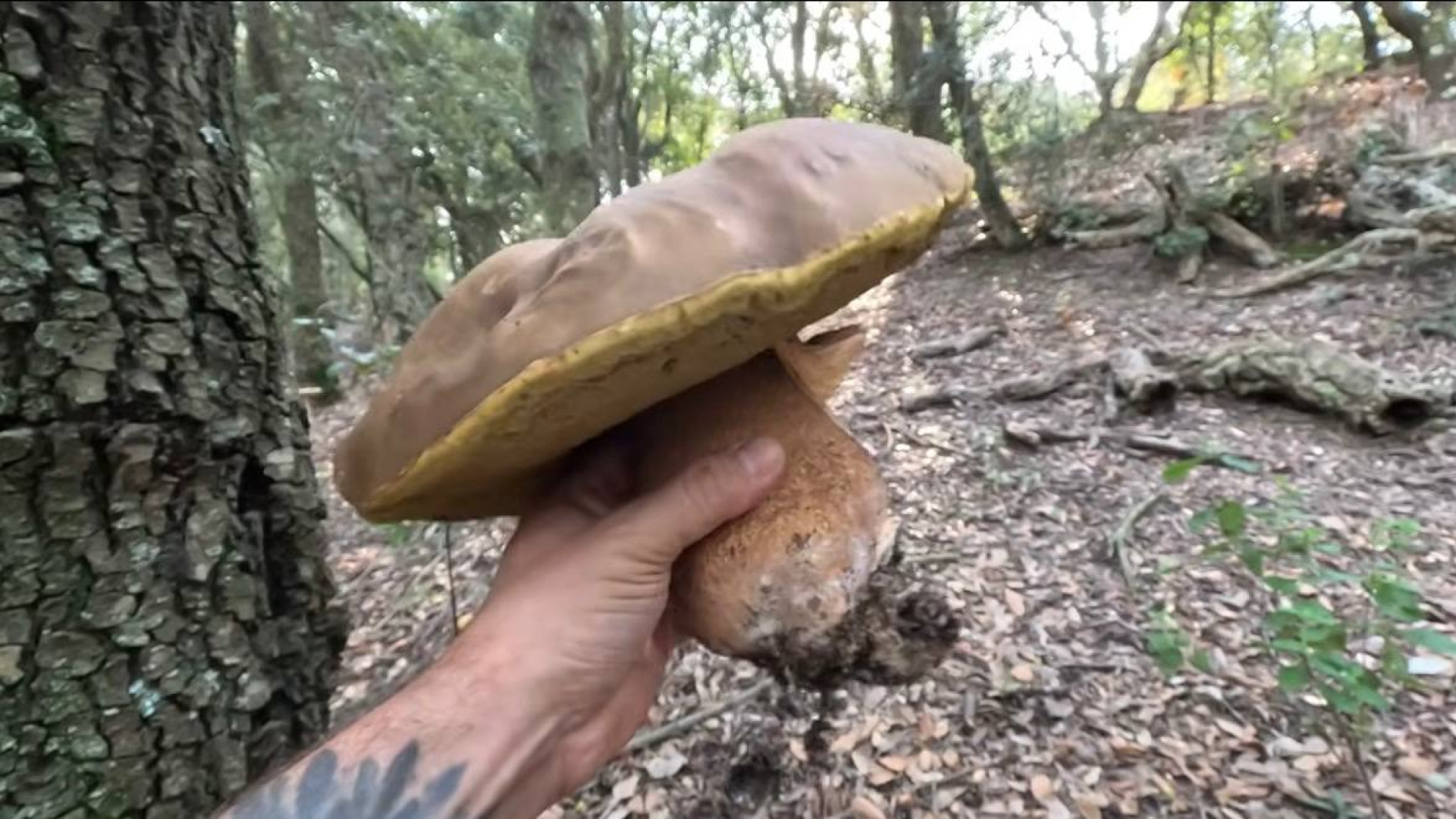
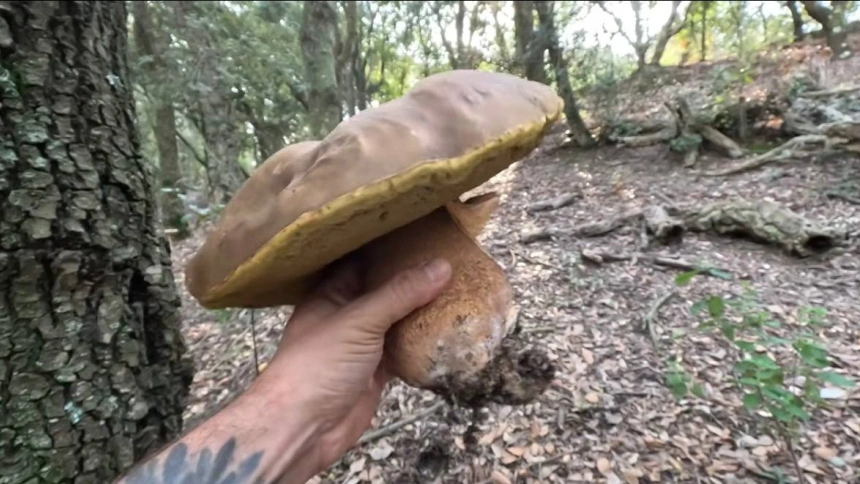
A 44-year-old mushroom hunter named Ricard has discovered the largest boletus mushroom of his life during an impromptu woodland excursion in El Maresme, Catalonia.
The amateur mycologist went into the forest without expecting any major finds, but he finished the day with a basket filled with different edible fungi and a record-breaking specimen that far exceeded his expectations.
The discovery came about after a sudden change in weekend plans. Ricard had been scheduled to attend a family birthday celebration, but after the gathering was cancelled, he found himself with several free hours and decided to spend them looking for mushrooms.
Cancelled birthday celebration
His decision to explore that particular stretch of woodland followed a tip from a neighbour. The neighbour had recently shown Ricard a mushroom picked close to home, which aroused his curiosity and prompted him to try his luck in the area.
The prize find was a dark cep, known scientifically as Boletus aereus and called a black cep or seta de calabaza in Spain. The species is widely regarded by foragers and chefs as one of the finest edible mushrooms in southern Europe, prized for its firm texture and deep aroma.
Ricard documented the walk on his YouTube channel, capturing the exact moment he uncovered the unusually large mushroom. In the video, he expressed astonishment, telling viewers that he had just found the largest cep of his life.
Discovery of the giant cep
Despite its striking size, Ricard was unsure whether the mushroom remained in good condition or had been spoiled by insects. He commented while pulling it from the soil that he was taking it out simply for the pleasure of the find, regardless of whether it proved to be worm-eaten inside.
The giant mushroom turned out to be only the start of his success. As he continued walking through the woods, Ricard noticed many more ceps growing nearby, although they were much smaller than the first specimen.
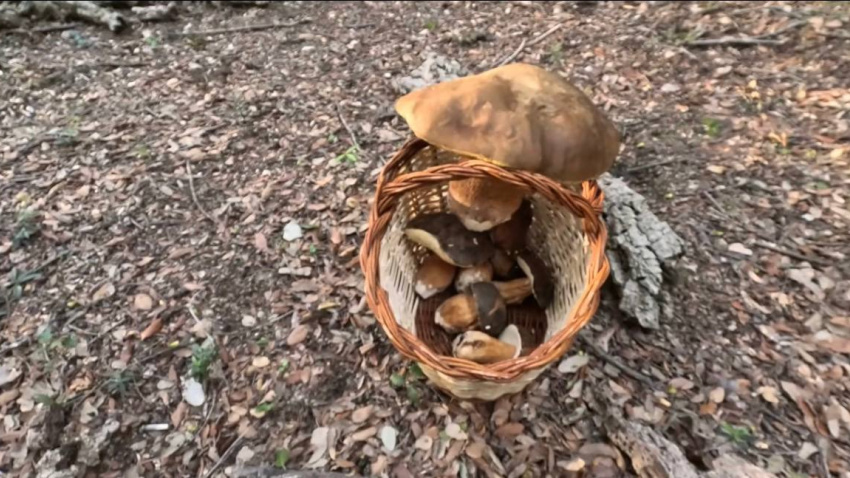
His search also yielded other prized culinary species, including Russula cyanoxantha, commonly known as the charcoal burner, and Amanita caesarea, known as Caesar mushroom.
Forestry work and environmental campaigning
During the excursion, Ricard showed several smaller mushrooms that he deliberately left in the soil so they could continue to grow. He reminded his viewers of the need to look after the forest and urged foragers not to step on mushrooms or damage the woodland floor.
On social media, Ricard shares his woodland expeditions under the moniker Boletaire Furiós, which translates as Furious Mushroom Hunter. The name reflects both his passion for fungi and his vocal criticism of people who leave rubbish and waste behind in natural areas.
Professionally, Ricard works in forestry, carrying out specialist pruning and tree felling. The work keeps him in regular contact with the natural landscape and informs his online efforts to promote environmental respect and cleaner countryside spaces.
Catalan foraging tradition
El Maresme is a coastal comarca situated north-east of Barcelona, lying between the Mediterranean Sea and the wooded hills of the Montnegre and Corredor coastal range. The region has a longstanding tradition of autumn mushroom hunting, with local foragers heading into oak and pine woods following seasonal rain.
Unlike common porcini that prefer cooler mountain ranges, Boletus aereus flourishes in warmer Mediterranean soils, typically growing beneath deciduous and evergreen oak trees. Its dense cap and rich flavour have made it a staple of autumn foraging across Catalonia.