
Marcella Kozinski will represent Brazil at the Miss Universe 2026 competition in Puerto Rico on November 24, competing 58 years after the country's last victory.
The 26-year-old contestant from Ilha do Mel in Parana steps onto the global stage as part of an enduring national tradition. For decades, the international beauty competition has served as an important platform for Brazilian women who combined stage presence and public speaking to launch careers across television and entertainment.
Beyond the sashes, evening gowns, and final countdowns, Miss Universe has functioned as a major international showcase for talent. In Brazil, the contest went far beyond aesthetics, providing an arena where articulate women took their first public steps before dominating television screens.
Early Pageant Pioneers
Brazil first entered the Miss Universe competition in 1954, when Martha Rocha finished in second place. Hailing from Bahia, Rocha captivated the nation with her personal charm, quickly transforming her name into a widespread pop culture phenomenon and an enduring synonym for elegance.

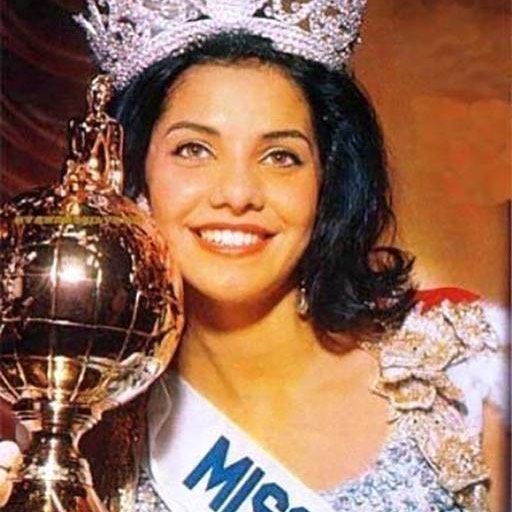
Her performance established a lasting Brazilian interest in the competition. Nine years later, Ieda Maria Vargas made history by becoming the first Brazilian winner to be crowned Miss Universe in 1963.
A native of Porto Alegre in the state of Rio Grande do Sul, the gaúcha model became a celebrated national personality and made frequent, memorable appearances across Brazilian media over several decades. Vargas died on December 22, 2025, at the age of 80.
Crown Winners and Screen Legends
Brazil achieved its second world victory in 1968, when Martha Vasconcellos won the Miss Universe title. Like Rocha, Vasconcellos came from the northeastern state of Bahia, securing a lasting place in the country's cultural memory.
After her time as titleholder, Vasconcellos dedicated a significant portion of her public life to social causes and the field of psychology in both the United States and Brazil. Her victory in 1968 represents the most recent time a Brazilian contestant has won the crown.
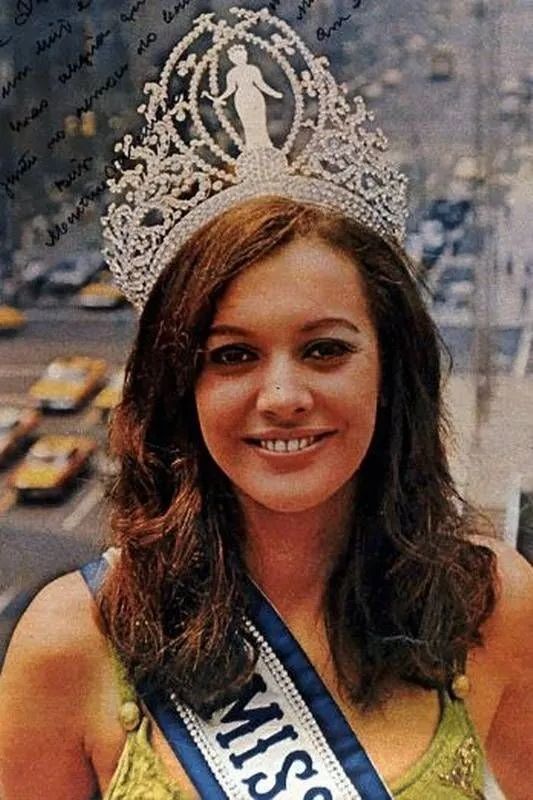
The global competition also transformed the careers of contestants who did not take first place. Vera Fischer won Miss Brazil in 1969 and reached the Top 15 at Miss Universe that same year.
That international prominence provided a major boost to her career in cinema and historic television dramas. Fischer established herself as one of the most prominent actresses in Brazilian television drama, starring in major telenovelas on TV Globo, the country's leading commercial broadcast network.

Breaking Barriers in Media
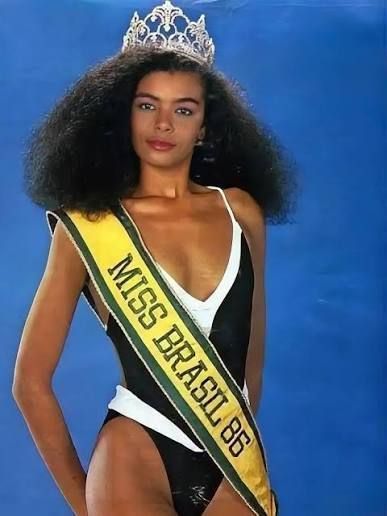
In 1986, Deise Nunes made history as the first Black Miss Brazil. She advanced to the Top 10 at Miss Universe 1986, opening vital pathways for racial representation within the pageant world and the wider entertainment sector.
Nunes translated that landmark breakthrough into an extensive career as a businesswoman, television presenter, and model. Her success demonstrated how pageant visibility could create lasting professional opportunities outside the runway.
Fluency and presentation skills also proved essential for Renata Fan, who won Miss Brazil and represented the nation at Miss Universe 1999. Her strong public speaking and communication during the event became crucial assets for her career.
Those skills supported her transition into broadcast studios, where Fan established herself as a leading reference in Brazilian sports journalism as a television host.

Reality Television and Soap Operas
The emergence of reality programming created further opportunities for former pageant competitors. Joseane Oliveira, who took part in Miss Universe 2002, secured widespread national recognition through high-profile reality television.
Oliveira appeared on TV Globo in two separate editions of Big Brother Brasil, participating first in 2003 and returning to the house in 2010. The appearances kept her in the public eye across the country long after her pageant reign.
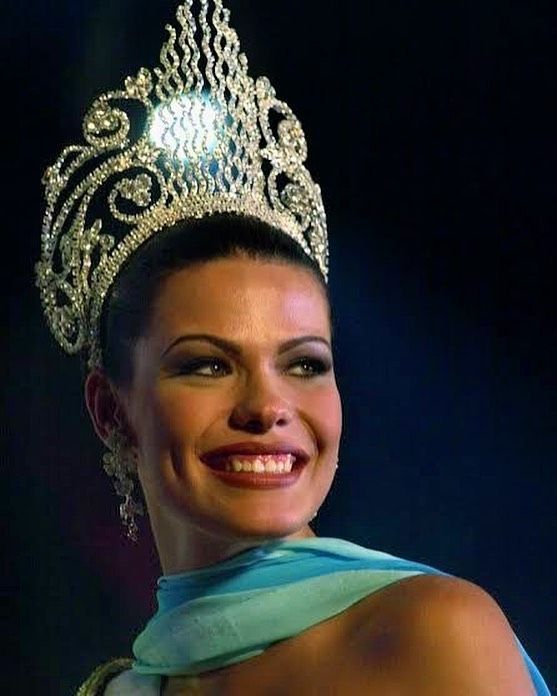
In 2007, Natália Guimarães from Minas Gerais claimed second place at Miss Universe, delivering one of the most memorable finishes for the Brazilian audience. The immense visibility allowed Guimarães to build a career in television, working as a program host on the Record television network and performing as an actress in serialized dramas.

Modern Finalists and Global Stardom
Jakelyne Oliveira also built a lasting entertainment career after finishing in fifth place at Miss Universe 2013. She developed steady work in the fashion industry and acting before gaining additional national attention as a finalist on the reality television show A Fazenda, broadcast by Record.

More recently, Julia Gama became one of the most influential figures in contemporary pageant history after taking second place at Miss Universe 2020, which took place in 2021. The high finish opened international opportunities for Gama across Latin America.
She built a career as a television actress in Latin America and earned prominent roles on international reality television, including appearances on the Spanish-language show La Casa de los Famosos.

The Quest for the 2026 Title
The 2026 edition of the Miss Universe pageant takes place on November 24 in Puerto Rico. Marcella Kozinski, 26, representing Ilha do Mel in Parana, competes for the title for Brazil 58 years after the country's last victory in 1968.
As Kozinski takes the stage in Puerto Rico, she follows in the footsteps of Brazilian predecessors who turned the competition into a springboard for lasting media and entertainment careers.