Japanese households rely on a set of traditional habits, from heated tables to hot-spring baths, to get through winter because most homes in the country lack central heating, according to the outlet Furansu Japon.
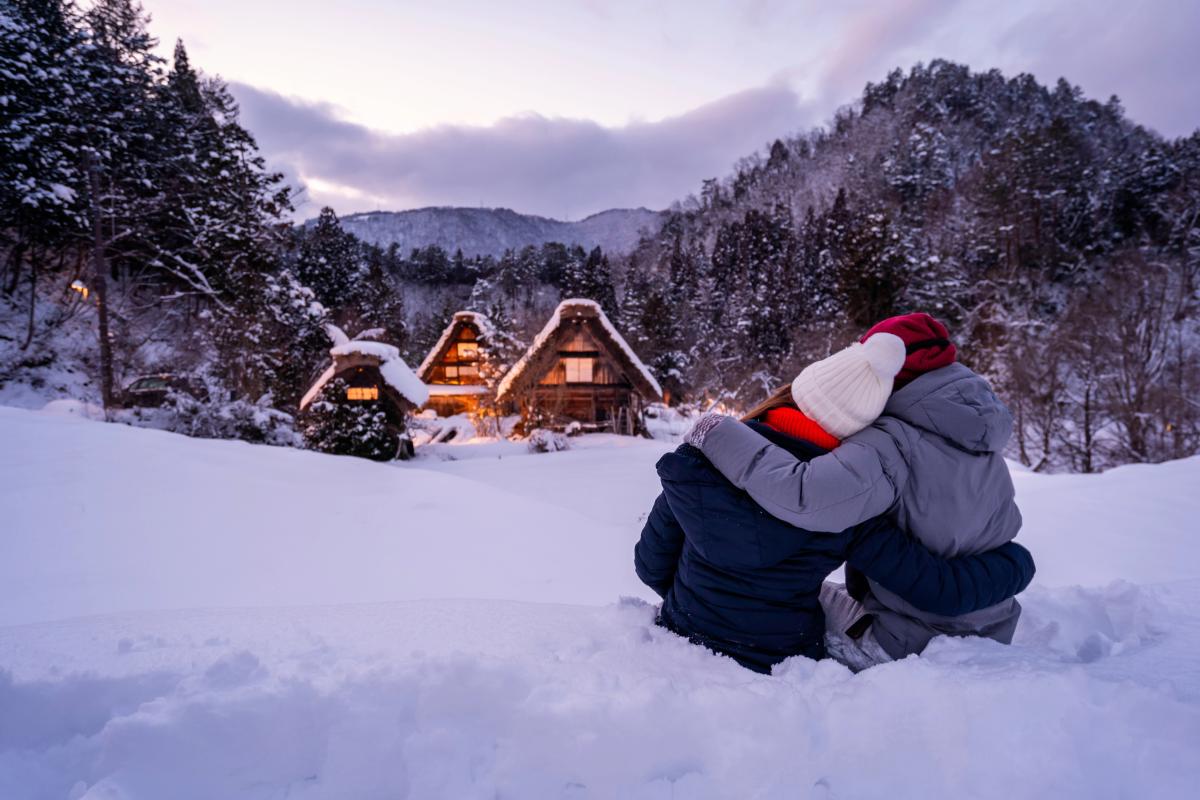
Winter in Japan runs roughly from December to February, but it looks different depending on the region. Hokkaido and areas along the Sea of Japan coast get heavy snowfall, Tokyo experiences dry, cold weather, and Okinawa stays relatively warm.
Homes built for summer, not winter
Furansu Japon notes that many traditional Japanese houses were designed with the country's hot, humid summers in mind. They have thin walls, large windows and raised floors that allow air to circulate, a layout that becomes a problem in winter, when older buildings can get very cold. As a result, Japanese households typically heat individual rooms using air conditioners, electric heaters or kerosene heaters, and focus on warming the body directly rather than the whole house.
Warming up at home
One of the best-known solutions is the kotatsu, a low table fitted with a built-in heater and covered with a thick blanket. People tuck their legs underneath it to eat, work or watch television, and in winter families often gather around it together.
Another household staple is the yutanpo, a traditional hot water bottle filled before bed and placed under the blankets. It stays warm until morning and uses almost no electricity.
At home, many people wear quilted cotton jackets known as dotera or hanten, while thin thermal underwear is common for keeping warm outdoors in cold weather.
Disposable warmers and hot drinks
Small disposable heat packs called kairo begin warming up when exposed to air and stay hot for several hours. People tuck them into pockets, stick them to clothing or use them to warm their feet.
In autumn, vending machines across Japan switch to winter mode, selling hot coffee, tea, chocolate and even soup. The warm cans are often used as makeshift hand warmers. To guard against colds, people also wear face masks, wash their hands regularly and gargle, while humidifiers are common inside homes.
Warming dishes for winter
Food plays a big role too. Nabe is a traditional winter dish cooked in a shared pot at the table, with vegetables, tofu, mushrooms, meat or fish simmered in broth and rice or noodles added at the end.
Oden, a hearty soup with eggs, daikon radish, tofu and fish products, is sold in convenience stores through winter, where customers pick their own ingredients. Small trucks also drive through residential neighbourhoods selling roasted sweet potatoes cooked on hot stones, which makes the flesh soft and sweet.
Baths and winter traditions
On the day of the winter solstice, December 21 or 22, many Japanese households add whole yuzu citrus fruits to a hot bath, which is believed to help ward off colds. Pumpkin is traditionally eaten on the same day.
Outdoor hot-spring baths known as onsen are especially popular, letting bathers soak in hot water as snow falls around them. The hot springs in the Jigokudani park area are famous for drawing both tourists and Japanese macaques, which also bathe to keep warm.
In late December, households and workplaces carry out osoji, a large-scale cleaning said to prepare homes for the New Year and mark the start of a new period.
Test yourself
Why do many traditional Japanese homes get very cold in winter?
What is a kotatsu?
What do many Japanese households add to their bath on the winter solstice?
Have your say
Which Japanese winter-warming habit would you most want to try?
Where it happened
Tokyo, Japan