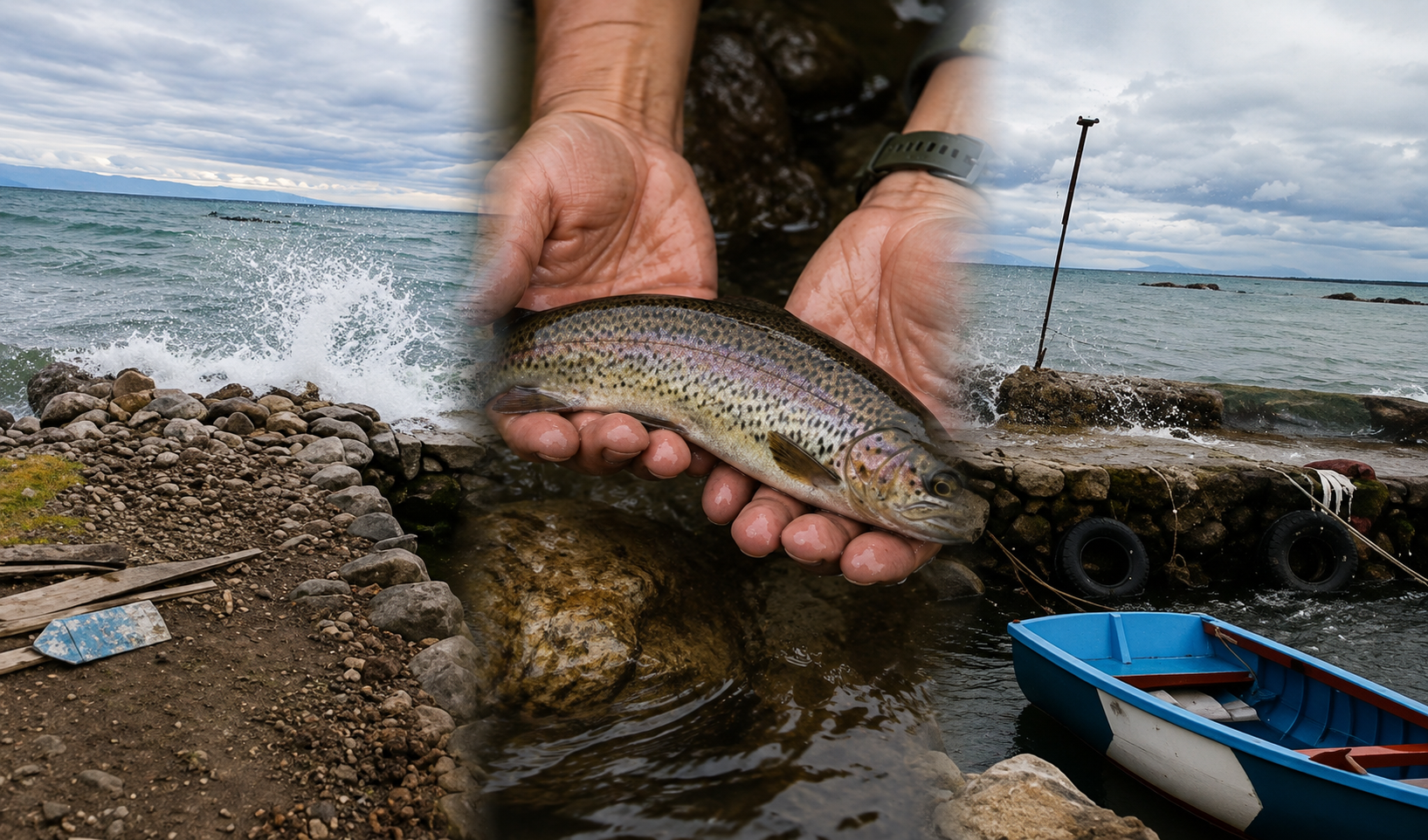
Giant waves on Lake Titicaca have sunk aquaculture cages in Peru's Puno region, causing an estimated loss of 200 tonnes of farmed trout.
The extreme weather hit the El Faro sector of the Pomata district, where waves overtopped the enclosures, allowing the fish to escape into the lake.
Lake Titicaca, located high in the Andes on the border between Peru and Bolivia, is a major centre for commercial aquaculture. The fish produced in Pomata supplies markets in the cities of Puno, Juliaca, Arequipa, Cusco and Lima.
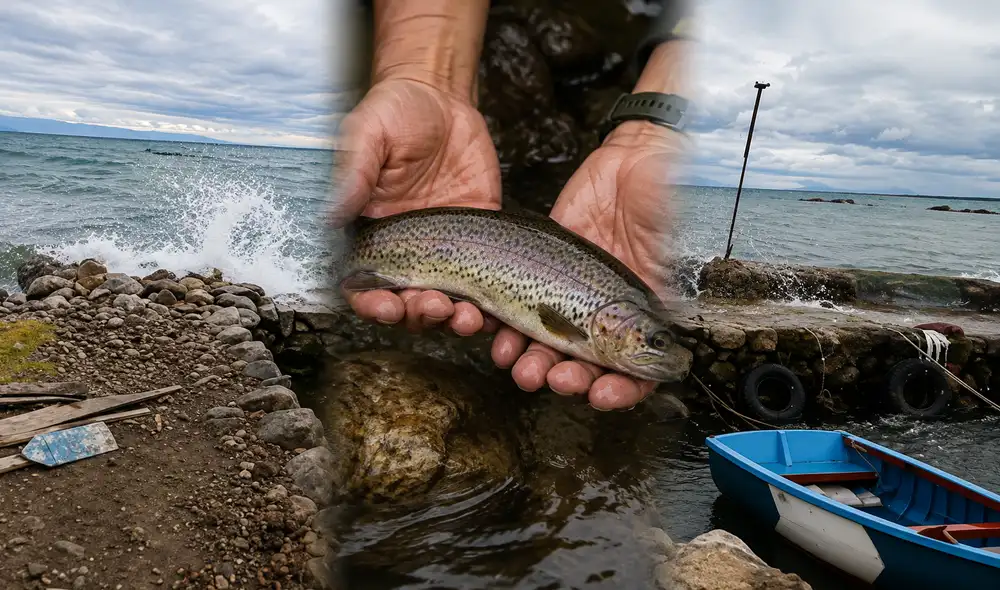
Affected producers said the waves reached an unusual intensity and forced them to suspend boat access to the lake for safety reasons. The severe conditions have interrupted routine harvesting and commercial operations.
According to local testimony, the water pressure sank some structures and partially displaced others. While many fish escaped, producers said others died inside the damaged pens. Some farmers also reported flipped boats and the loss of recently introduced fingerlings.
The rough conditions also affected the lake's shorelines in the Juli and Yunguyo sectors.
Demands for insurance
Producers explained that the El Faro area generates about 500 tonnes of trout per month. They estimate they will only be able to recover a portion of their planned production following the wave damage.
There are roughly 120 producers operating in El Faro, and all are believed to have been affected. The damaged cages contained both mature fish ready for market and younger stock.
Because the waves remain a risk to workers and vessels, farmers are unable to enter the lake to resume harvests. Producers said this suspension of activities directly impacts their daily income.
The farmers reiterated demands for an aquaculture insurance scheme to help them face such emergencies. They also asked for contingency measures, infrastructure to protect their boats and greater coordination with regional authorities.
Producers noted that a similar event occurred in 2011, but said the current waves were of a greater magnitude and caught them without sufficient capacity to respond.