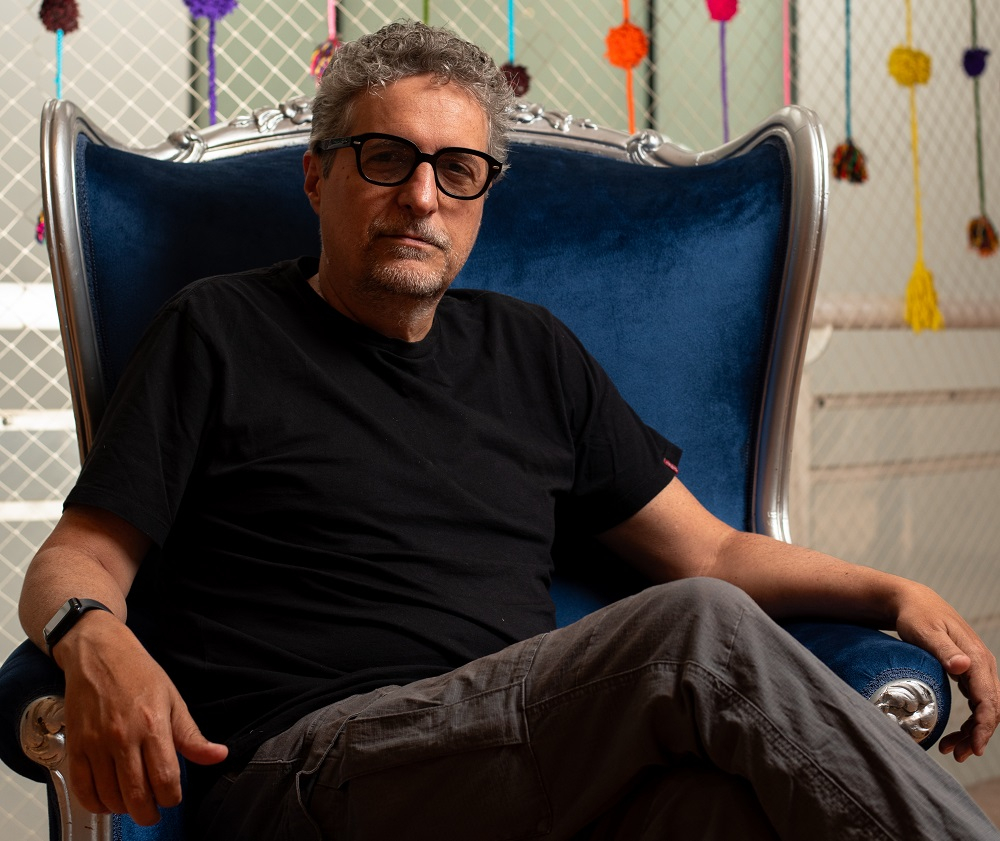
Brazilian director Kleber Mendonça Filho, whose film "El agente secreto" ("The Secret Agent") is nominated for four Oscars at the 2026 Academy Awards, said that filmmakers who make honest films will naturally face persecution. He made the comment in an interview with La República during the Lima Film Festival, where he was honored as a guest.
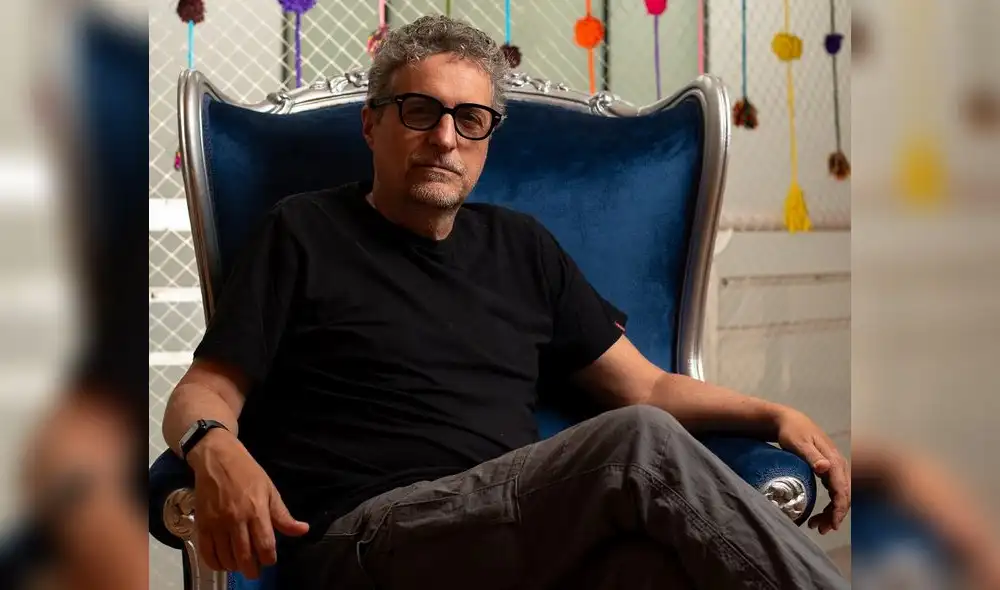
Mendonça Filho, a director and former film critic, said that if a filmmaker makes honest films with an open heart for the truth, persecution will follow. He compared his own experience to that of Iranian director Jafar Panahi, with whom he has worked and who was condemned by Iran's regime, though he noted that Iranian society is very different from Brazil's.
He said that with the far right, it has become easy to be seen as controversial, joking that even saying "water is wet" could now be treated as a controversial statement, because many on the far right would insist "water is dry." He said his film's portrayal of Brazil's 1970s military dictatorship as corrupt and violent upsets people who believe the era of military rule was wonderful.
He added, laughing, that even if his next project had nothing to do with politics, such as a love story between two boys in which one is Black, it would still be dismissed as "woke." Asked what kind of films would satisfy the far right, he said only a film that does not exist, or a very bad or fascist film, could do so.
The Secret Agent and Brazil's dictatorship
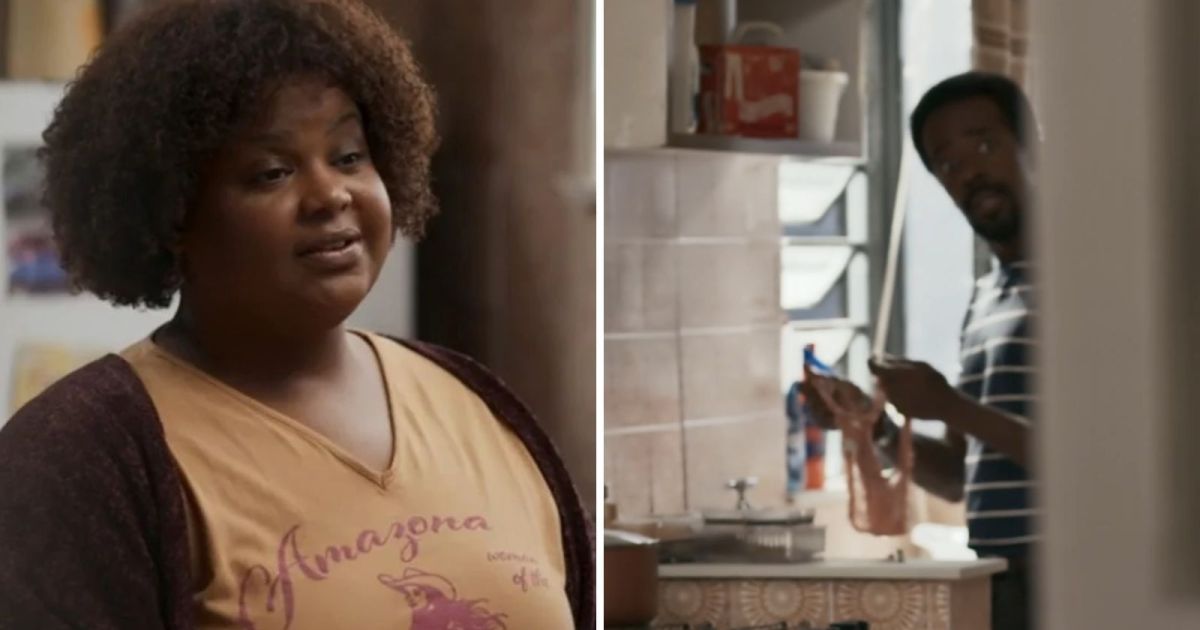
"The Secret Agent" is set during Brazil's military dictatorship in the 1970s. It follows Armando, an academic pursued by hitmen who hides in a refuge while planning to leave the country, with his story recorded on cassette tape.
Mendonça Filho is a critic of the Bolsonaro family and has been an uncomfortable figure for some in Brazil. In 2016, when he brought his film "Aquarius" to the Cannes Film Festival, he and the cast protested against the impeachment trial of Brazilian President Dilma Rousseff.
"The Secret Agent" reaches the Oscars a year after Brazil made history by winning its first Academy Award in the international feature category with "I'm Still Here" ("Aún estoy aquí"), directed by Walter Salles. That film told the story of the Paiva family following the kidnapping and disappearance of former congressman Rubens Paiva.
A shared antenna with Walter Salles
Asked why two major Brazilian films had emerged around the same time dealing with the dictatorship era, Mendonça Filho described culture as a kind of wind or water that a filmmaker's antenna picks up. He said he and Salles know each other but were not in contact or exchanging ideas while making their respective films.
He recalled serving on a jury in Venice when he saw Salles' film. Unable to speak with him in person afterward, he left him a message saying his film had a brother, the two films not knowing each other but growing up, in a sense, in different regions of the country.
Cinema as memory
Asked about his earlier film "Retratos fantasmas" ("Pictures of Ghosts"), which also explored cinema and his home city of Recife, Mendonça Filho said cinema is memory, and that every film is a kind of photo album of ideas and moments. He said he thinks about this more with each project, and that his next film will also be about a historical moment, forming a new photo album.
The far right as material
Asked whether the rise of far-right politics gives him more ideas for filmmaking, he said it is impossible to ignore what is happening in the world today, describing it as a moment in which democracy's foundations are being abandoned. He pointed to US President Donald Trump's contempt for the institutions that organize society, including relations with Europe and allies dating back to the aftermath of the Second World War, and said Trump's approach to Latin America shows no respect.
He called this a rich source of stories and conflicts for film or literature, saying every era of history is full of tragedy, violence and love, but that the current moment is completely absurd, which he said is good material for horror, comedy and drama alike. He said making a comedy right now is a great opportunity.
Filming violence responsibly
Asked about the humor, horror and depiction of state manipulation in "The Secret Agent," he said the film includes corpses and violence tied to torture, alongside horror, comedy and love, because he does not see stories as only dark and sinister.
He said there is a longstanding ethical problem in how cinema treats violence, one that has been debated for 50 years, from Alfred Hitchcock to Sam Peckinpah. He said violence is easy to see today, since anyone can watch a person die on their phone, something he tries to avoid and mostly succeeds in avoiding. He said how a filmmaker chooses to show violence matters greatly.
A connection with Lima audiences
Festival artistic director Josué Méndez noted, when announcing the tribute to Mendonça Filho, that the director's entire filmography had premiered in Lima. Asked why Peruvian audiences have connected so strongly with his films, Mendonça Filho said it is because Brazilian and Latin American societies share a similar social language and logic, producing a strong reaction whenever his films are shown in the region, even more so in Brazil itself, alongside the international response his work receives in France, the United States and Britain.
During his visit, he also gave a masterclass that drew a long line outside the venue. Following a recent tour through Ibero-America, he said he decided to stop giving interviews in English or Portuguese. After the ceremony in Lima, he wrote that doing so had ended years of discomfort and shame over being unable to communicate in Spanish, over speaking Portuguese very slowly, and over what he called the worst situation of having to ask an interviewer to switch to English.