

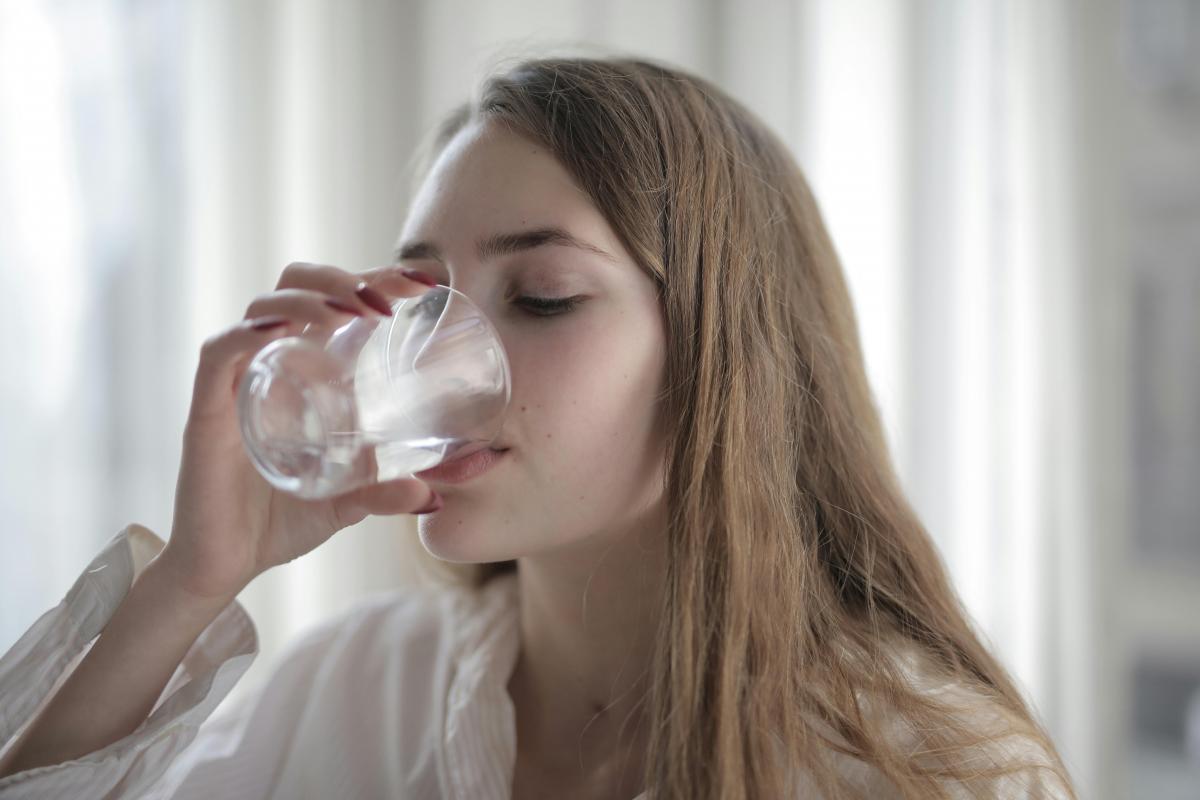
Hydration and blood pressure are closely connected because blood is made mostly of water, according to Eating Well.
Jacinta Anyaoku, a doctor of osteopathic medicine, said that during dehydration, blood volume and blood pressure drop. When this happens, the body tries to compensate by narrowing blood vessels and retaining sodium to bring blood pressure back to normal, she said. Repeated or chronic dehydration can then place extra strain on the cardiovascular system and make it harder to maintain healthy blood pressure, she said.
How water lowers blood pressure
Drinking more water can help lower blood pressure, especially in people with chronic dehydration, Anyaoku said. Dehydration reduces water content and raises sodium levels in the blood, triggering the release of the hormone vasopressin, which acts on the kidneys to retain water and narrows blood vessels, raising blood pressure, she said. Anyaoku said that when the body is well hydrated, it does not need to trigger this compensatory response, allowing blood vessels to stay more relaxed, which lowers blood pressure.
Lower risk of hypertension
Staying hydrated may also lower the risk of developing hypertension, Anyaoku said. She cited a study published in the journal Frontiers in Public Health that followed adults for nine years and found that people who drank six or more glasses of plain water a day had a lower risk of hypertension than those who drank one glass or less a day.
High blood pressure raises the risk of cardiovascular disease and stroke, with genetics, diet, physical activity and lifestyle all contributing to hypertension, Anyaoku said. Some studies show people with hypertension tend to be less hydrated, which may be one reason hydration plays a role in healthy blood pressure, she said. Dietitian Patricia Kolesa said that a sustained increase in fluid intake can help flush out sodium, which lowers blood pressure.
Blood pressure can rise temporarily
While drinking more water generally supports normal blood pressure, in some situations it can cause a temporary rise that may actually be beneficial. Some people experience a drop in blood pressure on standing up, which can cause dizziness, a symptom especially pronounced in people with orthostatic hypotension, a condition in which systolic blood pressure falls by 20 mm Hg or more and diastolic blood pressure falls by 10 mm Hg or more within three minutes of standing.
In such cases, quickly drinking 300 to 500 milliliters, or about 2 cups, of water can help restore blood pressure, with the same temporary effect also seen in healthy people. This happens for two reasons: drinking water increases blood volume, which can raise pressure in the blood vessels, and swallowing water quickly stimulates the sympathetic nervous system, the body's fight-or-flight response, triggering a chain of reactions including narrowing of blood vessels that raises blood pressure.


