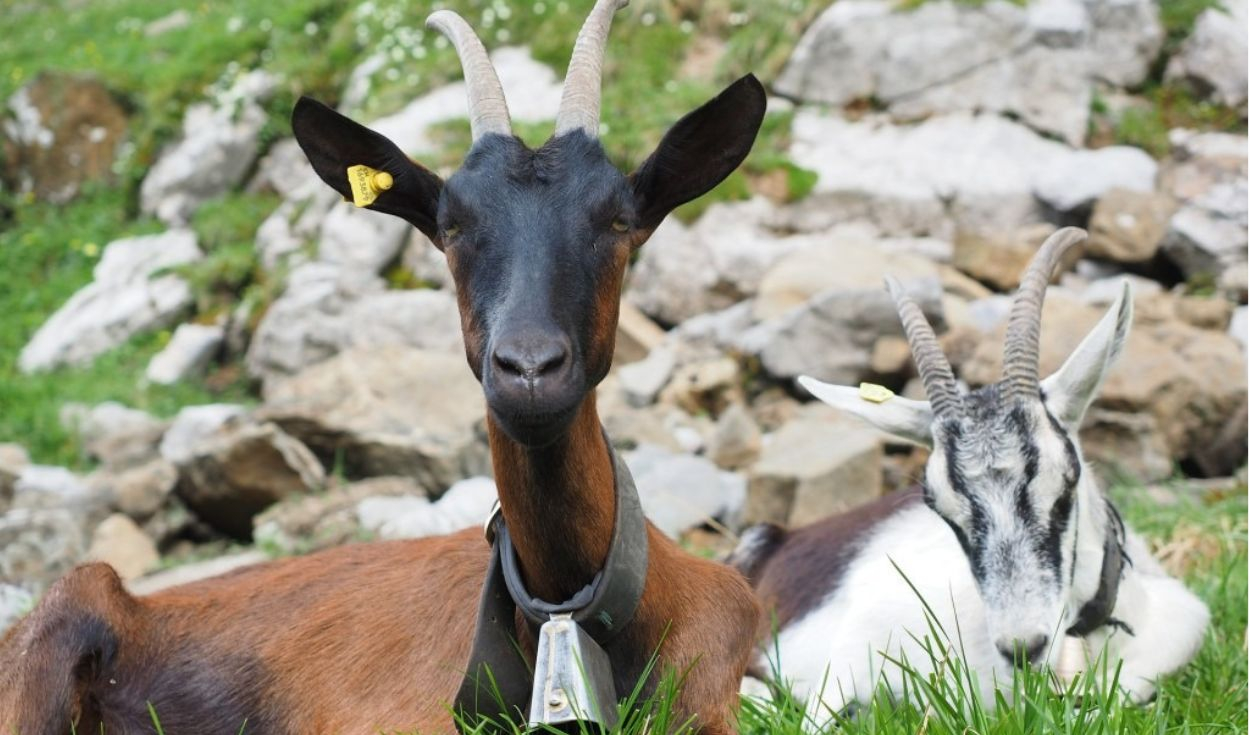
A program that ran from 1997 to 2006 removed more than 140,000 invasive goats from around 500,000 hectares of the Galapagos Islands, using an unusual technique that turned some of the animals into unwitting trackers.
The Isabela Project, developed jointly by the Galapagos National Park and the Charles Darwin Foundation, targeted affected zones including Santiago, Pinta, and the northern part of Isabela island. Its total cost was approximately 10.5 million US dollars, making it the largest island goat eradication on record at the time.
Helicopters, dogs, and a social instinct
Teams initially used helicopters, hunters on foot, and trained dogs to reduce the largest goat populations. The remaining animals proved far harder to find, taking shelter in ravines, lava fields, and areas of dense vegetation.
To locate them, specialists captured some goats, sterilized them, fitted them with radio transmitters, and released them back into the wild. Because goats are social animals, these trackers would move toward other groups, allowing hunters to follow the signals. In northern Isabela alone, around 770 such animals were deployed.
A subset of females was also treated hormonally to attract males for longer periods. These animals were called "Mata Hari" goats and helped complete the removal of the last survivors.
Ecosystem recovery
The removal did not immediately restore the original landscape, but it allowed ecosystems to begin recovering. Shrubs, trees, and endemic plants that had been kept in check by constant grazing returned to Santiago and northern Isabela.
Scientific studies recorded an increase in Galapagos rail populations, and genetic research indicated the eradication helped preserve diversity among several species that depended on those habitats. Giant tortoises, which continue to disperse seeds and shape their surroundings, remain central to the ongoing restoration.