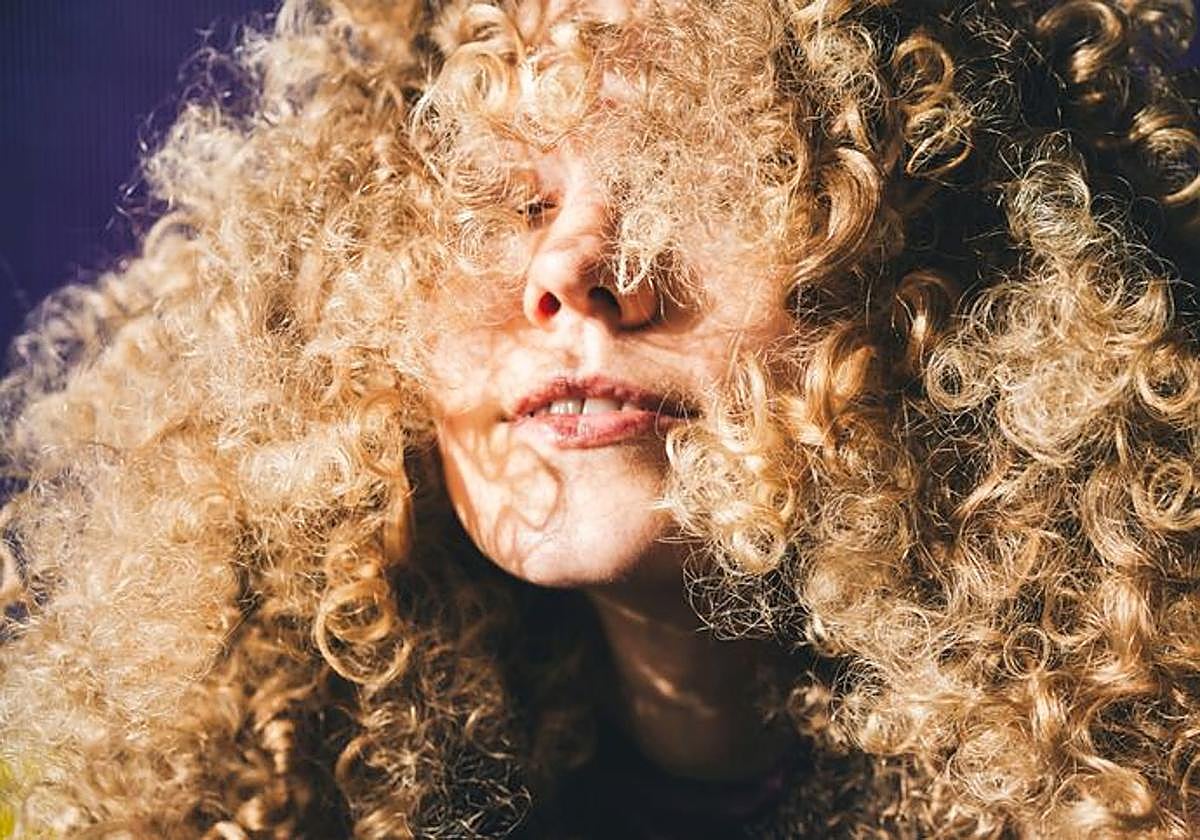
Hair frizz in autumn and winter stems from distinct causes ranging from humidity to static electricity and dryness, beauty writer Sandra Hernández reported on 10 November.
According to Hernández, autumn weather can ruin a hairstyle in five minutes even after someone has spent half an hour styling it. While applying more serum is a common response, different environmental triggers require targeted products at specific stages of washing, drying and finishing.
One day the culprit is damp air outdoors, and the next day it is small loose hairs that seem to take on a life of their own after removing a jumper, a scarf or a hat. Hernández noted that both reactions end up looking like the same frizz despite having different origins, and understanding the difference changes how to control it.
Humidity, dryness and static electricity in winter hair
When humidity rises, hair can absorb water directly from the surrounding air and temporarily change its shape. The more porous or sensitised the hair fibre is, the more obvious that reaction becomes.
In hair science, airborne water molecules break and reset the temporary hydrogen bonds that hold keratin proteins in place, causing strands to swell when the outer cuticle has been raised by colouring, chemical treatments or heat.
In drier conditions, dryness and static electricity become the primary drivers of unruly hair. Friction against winter clothing such as jumpers, coats and scarves accentuates that static charge.

Cold outdoor air and indoor heating lower relative humidity during autumn and winter, reducing the surface moisture that normally dissipates electrical charges when dry hair rubs against wool or synthetic knitwear.
Autumn and winter anti-frizz hair routine
Because humidity, dryness and static behave differently, Hernández advised against using a single product for every type of frizz. If hair already feels rough and difficult to manage straight out of the shower, the routine can start with a conditioner or a mask.
If a hairstyle changes the moment a person steps out onto the street, the priority shifts to protecting the hair against ambient moisture. For those using a hairdryer or heated styling tools, Hernández recommended adding thermal protection and taking care during drying, noting that even rubbing hair vigorously with a towel can promote frizz.
Where the problem appears on the head also matters before spreading serum across the whole mane. Rough mid-lengths and ends may need softness and conditioning, whereas a few baby hairs around the face may only require a small amount of product applied locally. The goal is not to build an endless anti-frizz routine, Hernández explained, but to act at the right moment: treat during washing, protect before styling and save finishing products for areas that still need control.
Smoothing hair masks and heat protection sprays
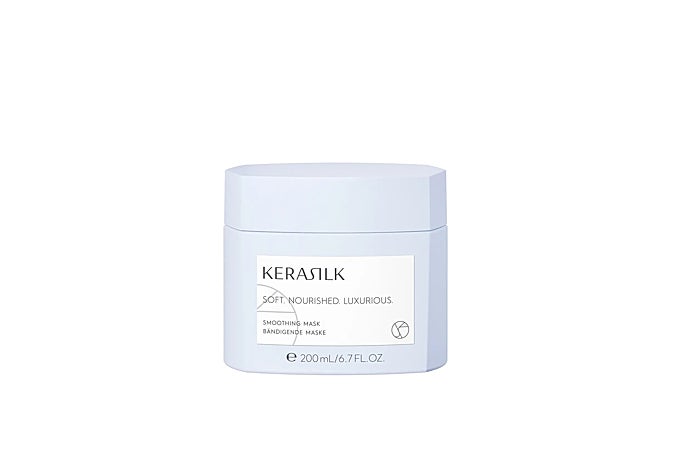
For the washing stage, Hernández highlighted Smoothing Mask by Kerasilk, a professional salon haircare brand under the Kao Corporation. The intensive mask is formulated with biomimetic silk, a biotechnology-derived vegan protein alternative, and fatty acid-rich shea oil to condition and nourish even the roughest hair. It is designed to improve manageability, add softness and control frizz over an extended period, using a vegan formula free from silicones, sulphates, parabens, mineral oils and colourants.
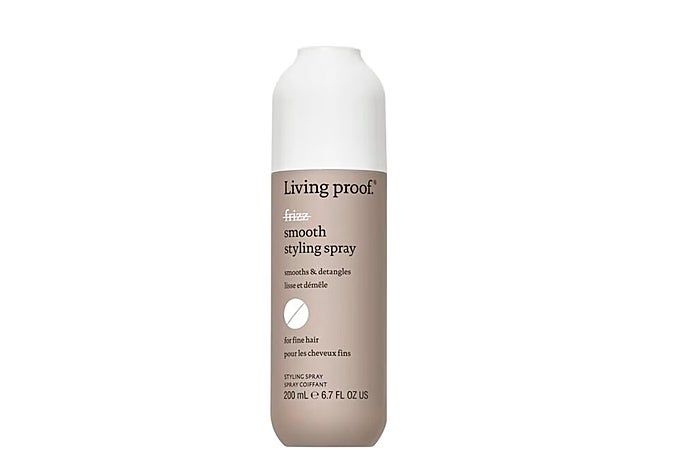
For fine hair that needs frizz control without added weight, the guide includes Frizz Smooth Styling Spray by Living Proof, the Massachusetts haircare company founded in 2005 by stylists and Massachusetts Institute of Technology scientists. The lightweight spray helps block humidity, prevent static electricity and make detangling easier while adding softness and shine. It also incorporates thermal protection up to 232 degrees Celsius so it can accompany heat styling tools.
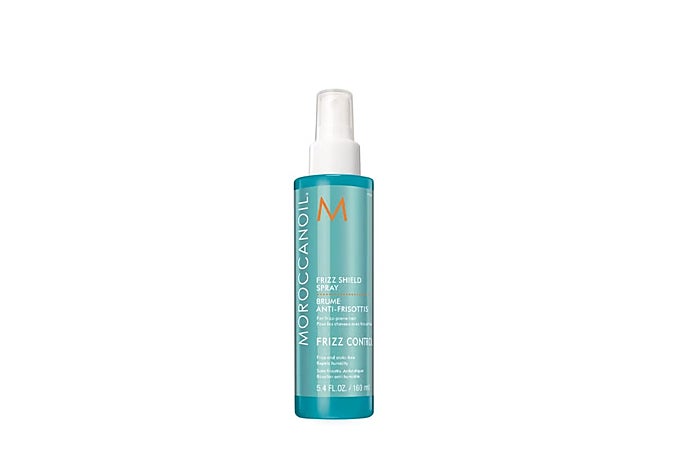
Another pre-styling option cited by Hernández is Frizz Shield Spray by Moroccanoil, a lightweight heat-activated mist that creates a film designed to protect hair against humidity. Its HydroResist technology helps control frizz, static electricity and small flyaway strands, while oil pressed from Moroccan argan kernels adds vitamin E-rich softness. The spray also offers thermal protection and leaves a silky, shiny finish without a sticky feel.
Anti-frizz hair serums for medium, thick and dry hair
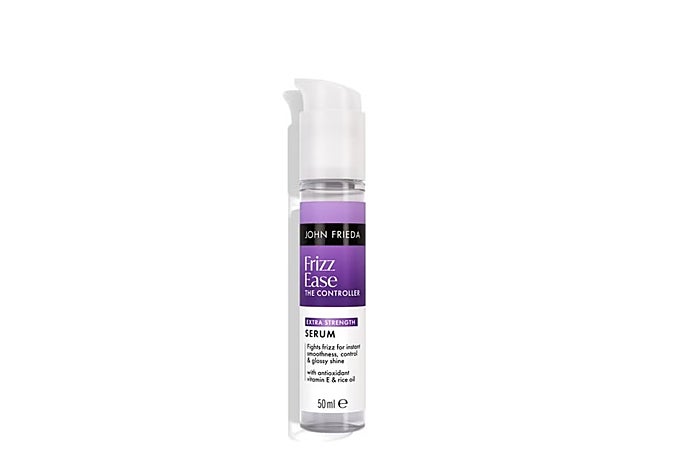
For medium or thick hair prone to intense frizz, Hernández selected Frizz Ease The Controller Extra Strength Serum by John Frieda, the British brand that first launched its Frizz Ease serum line in London in 1990. Formulated with vitamin E and rice oil, the serum aims to protect against humidity while providing a more polished, shiny finish. It offers thermal protection up to 230 degrees Celsius and can be used on colour-treated hair.
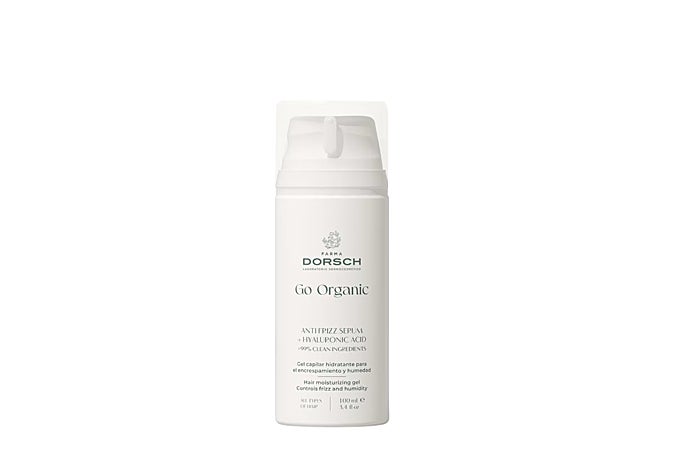
To combine hydration and frizz control, the guide features Anti Frizz Serum + Hyaluronic Acid by Farma Dorsch, a Madrid-founded Spanish dermocosmetic brand. The serum contains 2 percent moisture-binding hyaluronic acid alongside conditioning panthenol and plant-based ingredients. Designed to protect against humidity and static electricity without weighing hair down, it can also be used to smooth small loose hairs around a finished hairstyle.
Finishing hair serums and targeted baby hair gels

As the final step of styling, Hernández pointed to Dramatic Ending by ghd, a lightweight serum designed to add softness, flexibility and extra shine. Created by the Leeds-founded British styling brand ghd, it helps control frizz and achieve a polished finish without excess weight across different hair types after using heated styling tools.
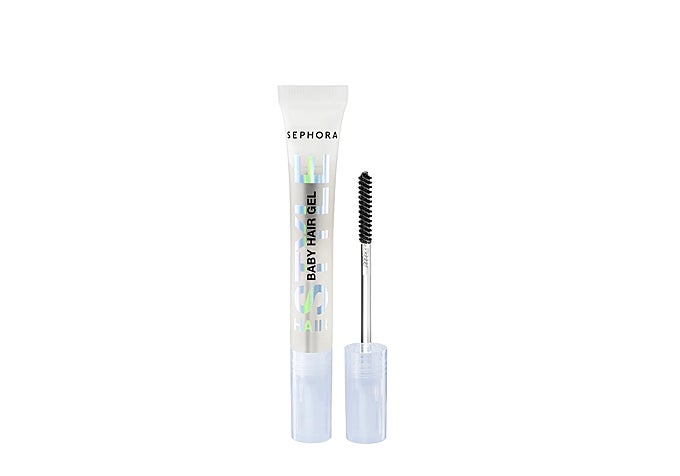
For localized control around the hairline, Hernández concluded with the Anti-Frizz Smoothing Gel by Sephora Collection, the in-house cosmetics label of the LVMH-owned French beauty retailer Sephora. Applied with a mascara-style brush to tame baby hairs and small unruly strands around the face, its lightweight texture provides up to eight hours of hold without leaving residue or a stiff finish once styling is complete.