

Nutritionists Rob Hobson and Sophie Gastman warned that five popular food combinations can quietly prevent the human body from absorbing vital vitamins and minerals.
Writing in a report for The Telegraph, the experts explained that natural compounds in specific foods actively bind to nutrients in other ingredients consumed during the same meal.
Hobson said that existing medical data shows nearly one-third of people already suffer from iron or vitamin B12 deficiencies, making extra care with food pairings particularly important.
One of the most thoroughly researched food interactions involves drinking coffee alongside breakfast cereal. Coffee contains polyphenols, which are plant compounds that bind to the non-heme iron added to fortified cereals and prevent the digestive system from absorbing it.
Gastman clarified that coffee only affects non-heme iron, which is found in plant foods such as cereals, nuts, leafy greens, and dried fruits. Coffee does not block heme iron, which occurs naturally in red meat, fish, and poultry. Because of this distinction, drinking coffee with a breakfast of eggs and bacon remains entirely safe.
For individuals who already have low iron levels, the nutritionists advised drinking coffee one hour before or one hour after eating breakfast. Adding vitamin C-rich fruits like berries or kiwi fruit to cereal also helps the body absorb non-heme iron more effectively.
Red Wine and Steak Interactions
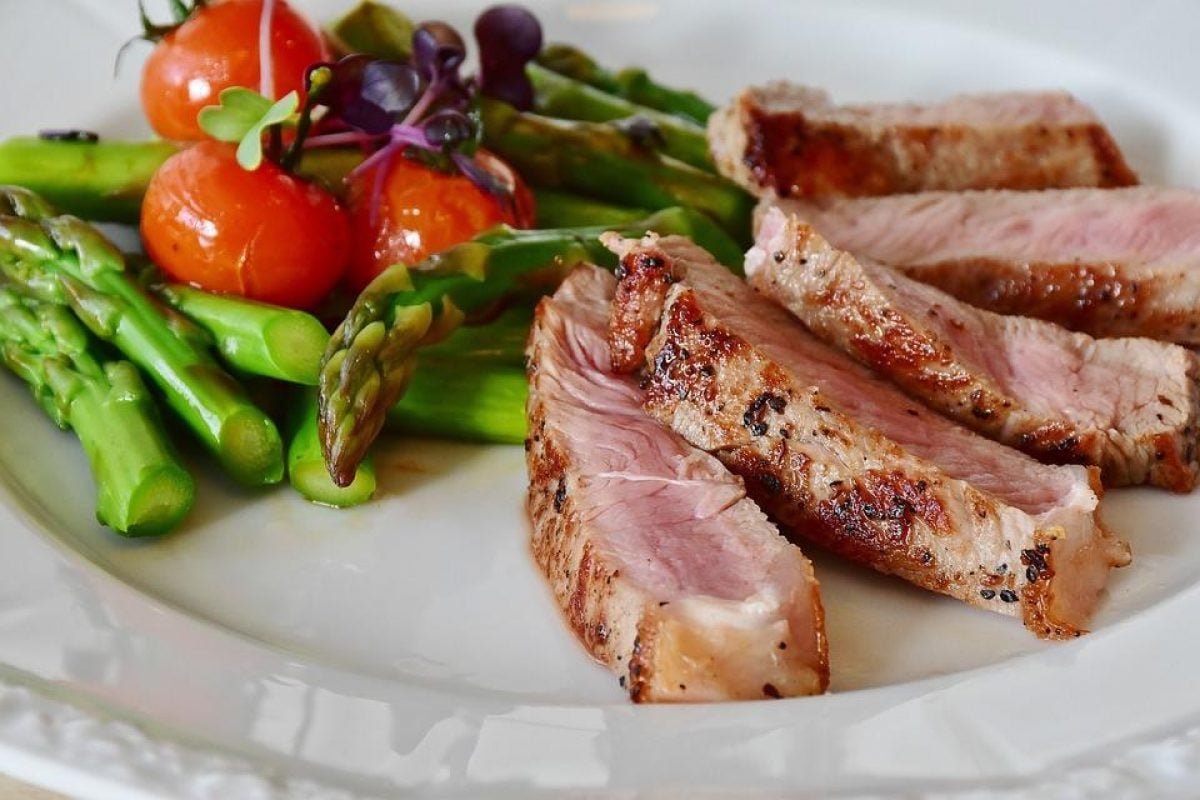
A romantic dinner featuring steak and a glass of Malbec red wine carries a hidden nutritional drawback when consumed habitually in excess. Malbec is a full-bodied red wine, and regular high alcohol intake damages the mucosal lining of the stomach and intestines over time.
This internal damage interferes with the absorption of B-complex vitamins, which red meat provides in high quantities. B vitamins play a vital role in supporting cell metabolism and nerve function.
However, both experts reassured diners that enjoying a single glass of wine does not cause harm. Heme iron in steak is absorbed equally well regardless of whether wine is consumed alongside it, meaning overall alcohol intake is the primary concern.
Spinach and Dairy Pairings
The popular culinary pairing of spinach and cheese, frequently used in pasta dishes, Greek spanakopita, and Indian saag paneer, also operates differently than many people assume. Spanakopita is a traditional spinach and feta pastry, while saag paneer is a spinach curry with cheese.
Spinach contains high levels of oxalates, which are naturally occurring compounds that readily bind to calcium and inhibit its uptake. Because of this binding process, the body absorbs only about 5 percent of the calcium present in raw spinach, and oxalates can also impair the absorption of calcium from nearby cheese.
Despite this interaction, the experts advised people not to abandon spinach, as it contains substantial amounts of vitamins K, A, and C. Hobson recommended steaming spinach before eating to reduce oxalate levels, and cautioned against relying on spinach as a sole calcium source.
Phytates in Grains and Legumes
Combining brown rice with red meat, cheese, or milk presents another nutritional challenge due to plant compounds called phytates. Found in nuts, seeds, whole grains, and legumes, phytates function similarly to oxalates by binding to minerals and reducing the absorption of iron, zinc, and magnesium.
Hobson pointed out that this interaction mainly impacts people whose diets are already low in essential minerals. Completely eliminating foods that contain phytates makes little sense, as these items also help lower blood cholesterol levels. Adding peppers or broccoli to the dish partially offsets the blocking effect of phytates.
Fat Free Salad Dressings
Choosing a fat-free dressing for a salad may seem ideal for calorie control, but it creates a nutrient absorption trap. Essential vegetable compounds, including beta-carotene in peppers, lycopene in tomatoes, and lutein in corn, are fat-soluble nutrients that require fat to be absorbed properly.
Hobson explained that incorporating even a small amount of healthy fat, such as olive oil, avocado, or nuts, into a salad dressing significantly boosts the body's ability to absorb these beneficial plant nutrients.


