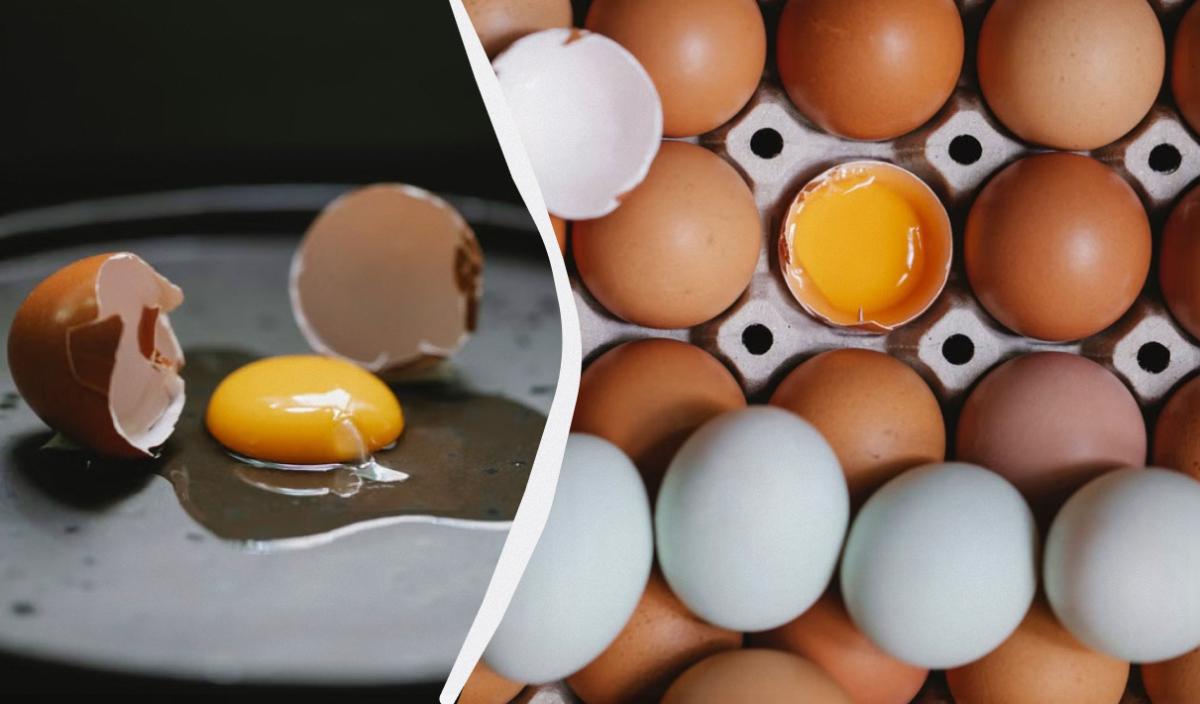
American farmer Joel Salatin has revealed how cracking an egg into a bowl provides an immediate assessment of its freshness and overall quality.
Rather than shaking cartons in the supermarket aisle or submerging eggs in water at home, Salatin recommended examining the consistency of the albumen. According to comments reported by the publication El Espanol, a thick and slightly cloudy white demonstrates that an egg is fresh and of very high grade, whereas a thin, watery white points to lower quality.
Many shoppers routinely test eggs by shaking them to listen for movement or dropping them into bowls of water to observe whether they float. Salatin, who founded and operates Polyface Farm in Virginia, explained that looking directly at the cracked egg yields much clearer evidence. Polyface Farm is widely known across the agricultural sector for its pasture based livestock management.
Egg white texture and appearance
Officials at the United States Department of Agriculture hold the same view regarding albumen density. The agency confirms that top quality eggs possess firm, thick whites that do not readily run across a surface. If an egg is cracked onto a plate and left for a short period, a fresh white will preserve its shape and density, while an older or lower quality egg quickly loses structure and spreads out as liquid.
Salatin pointed out that cloudiness in the egg white is not a sign of spoilage, but rather an indicator of recent laying. Freshly laid eggs contain high levels of carbon dioxide, which naturally gives the albumen an opaque or milky appearance before it gradually dissipates through the shell over time. A clear white can still be safe, but a cloudy white confirms the egg was gathered recently.
Yolks and chalazae cords
Beyond the white, consumers should also inspect the yolk and the structures surrounding it. In a fresh egg, the yolk stands tall with a firm, convex dome rather than collapsing flat. Salatin and food specialists also highlight the presence of prominent chalazae, which are dense white strands of protein that resemble small cords anchored to either side of the yolk.
These structures function as natural anchors that hold the yolk suspended near the centre of the egg. The more visible and defined these white cords appear, the fresher the egg is likely to be. As eggs age, the chalazae degrade and fade from sight, while the yolk flattens and the albumen spreads widely across the cooking surface.
Official egg grades and food safety
The United States Department of Agriculture categorises commercial eggs into three distinct quality grades based on these exact physical characteristics. Grade AA represents the highest standard, requiring a thick, firm white alongside a rounded, plump yolk. Grade A eggs offer good quality, though their whites and yolks may be slightly less firm. Grade B eggs fall into the lowest tier, displaying noticeably thinner whites and wider, flatter yolks that spread quickly.
Visual quality, however, does not guarantee that an egg is completely free from harmful bacteria. The American Egg Board warned that visual inspection cannot replace correct refrigeration, safe storage, and recommended cooking temperatures. Foodborne pathogens like salmonella can be present even in eggs that appear visually sound.
El Espanol also highlighted clear visual warnings that demand an egg be discarded immediately. Any egg white displaying a pink tint, pearlescent sheen, or iridescent rainbow reflections should never be consumed. Unpleasant odours or unusual foreign particles and discoloured specks inside the egg also signal spoilage, meaning the product must be thrown away.