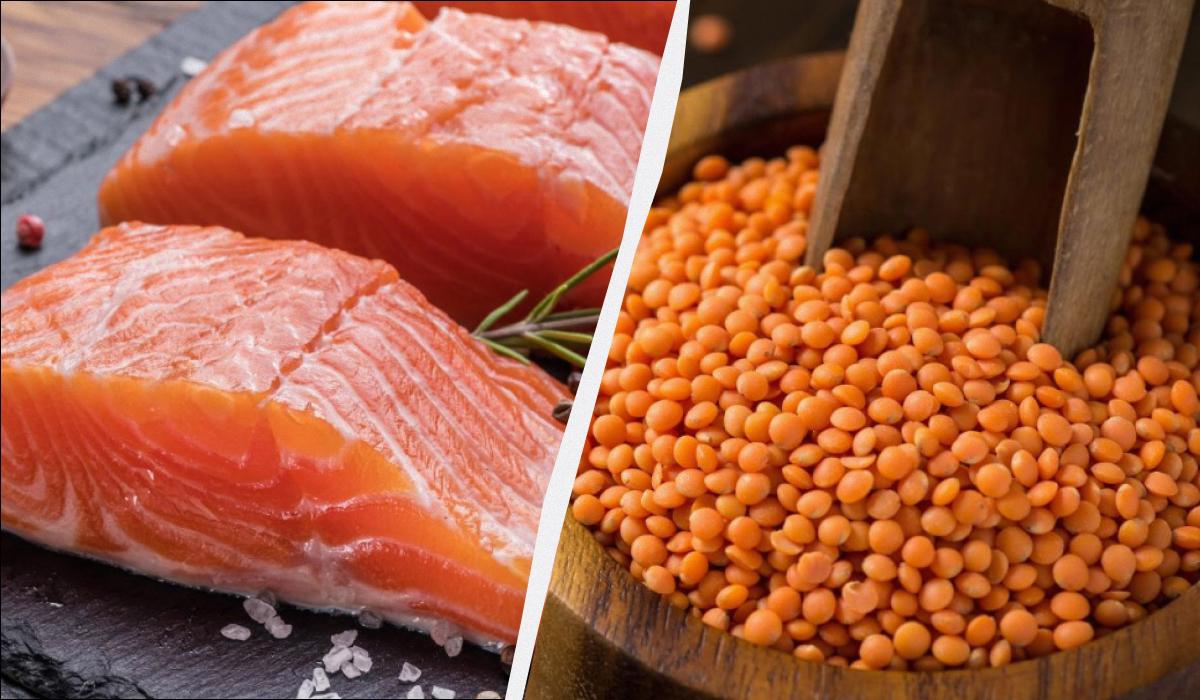
Dietitians have identified salmon, lentils, Greek yogurt, edamame and tofu as five of the best high-protein foods for fighting inflammation, according to a report by the health and wellness outlet EatingWell.
The recommendations come as high-protein eating and anti-inflammatory diets have both grown in popularity. Eggs remain a common go-to, with one egg containing 6 grams of protein, but EatingWell noted that some foods combine high protein content with compounds that specifically help the body fight inflammation.
Registered dietitian nutritionist and primary care physician Peyton Bruer said the high protein content of these foods helps build and preserve muscle mass while actively countering the inflammatory processes that underlie many chronic diseases. She explained what sets each food apart in terms of both protein content and anti-inflammatory properties.
Salmon
Salmon ranked first among foods valued for both protein and inflammation-fighting compounds. According to the United States Department of Agriculture, an 85-gram serving of the fish contains 19 grams of protein along with nearly 2 grams of omega-3 fatty acids, eicosapentaenoic acid (EPA) and docosahexaenoic acid (DHA).
Bruer compared omega-3s to raw material the body has on hand to work with, saying that when EPA and DHA are plentiful, the body defaults to producing fewer signalling molecules that promote inflammation. She called it a powerful, food-based tool that most people do not use. EatingWell noted that in reality, very few people eat the recommended two servings of seafood a week.
Dietitian Theresa DeLorenzo advised making salmon even more anti-inflammatory and higher in protein by topping it with a pesto made from walnuts, pine nuts and hemp seeds.
Lentils
Half a cup of lentils contains 9 grams of protein, 3 grams more than an egg, according to the United States Department of Agriculture.
Lentils are also high in fiber, with half a cup providing 8 grams, or about 29% of the recommended daily intake. Getting enough fiber is critical for gut health and can also support a healthy inflammatory response in the body.
Bruer said gut health and inflammation are closely linked and need to be considered together. Doctor of medical sciences Leonila Campos said that when gut bacteria ferment certain types of fiber, they produce short-chain fatty acids that can support gut health and help regulate inflammatory processes in the body.
Lentils are also rich in antioxidants called polyphenols, which a study published in the journal Current Research in Physiology found help neutralize harmful free radicals and reduce inflammation.
Greek Yogurt
Half a cup of Greek yogurt contains about 13 grams of protein. Unlike the other foods on the list, it also contains probiotics.
Bruer said Greek yogurt contains live probiotic cultures that support a diverse and balanced gut microbiome, as well as conjugated linoleic acid (CLA), a compound that has been studied for its role in regulating immune and inflammatory responses. She added that the combination of probiotics and CLA makes Greek yogurt one of the easiest ways to support gut and immune health without dramatically overhauling an entire diet.
Edamame
EatingWell noted that all legumes are a good option for increasing intake of protein and anti-inflammatory compounds, but edamame stands out in particular.
Bruer said edamame is often overlooked but is a great example of a plant-based protein food that contains protein, fiber and antioxidant compounds all at once. One cup of edamame contains 18 grams of soy protein and 8 grams of fiber, along with many anti-inflammatory compounds.
She said edamame contains isoflavones, plant compounds with antioxidant properties that can help regulate inflammatory processes, as well as fiber that supports gut health.
Tofu
Like edamame, tofu is a source of high-quality soy protein, with half a cup containing 22 grams of complete protein.
Campos said tofu and edamame are soy products that contain isoflavones, plant compounds with antioxidant and anti-inflammatory properties. EatingWell suggested tofu as another good option for those who dislike edamame or simply want to diversify their plant-based protein sources.
UNIAN previously reported that, besides eggs, nuts and seeds are also high in protein. Dietitians named five such foods: peanuts, hemp seeds, pumpkin seeds, sunflower seeds, pistachios and almonds.