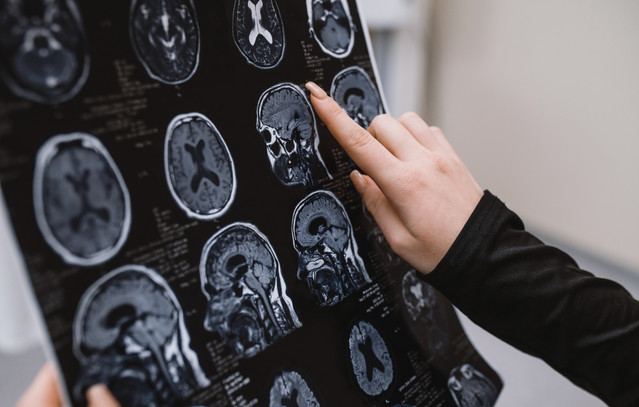
Scientists are investigating whether lithium, a light metal best known for its use in batteries, could help protect the brain against dementia. The element also occurs naturally in drinking water, cabbages, wholegrains and potatoes.
Lithium has been used for decades at high doses to treat depression and bipolar disorder. Now researchers are studying whether much lower doses could play a role in brain health, including improving memory.
Lithium occurs naturally in minerals and rocks and enters soil, rivers and lakes after dissolving in rainwater, meaning it is present in small amounts in some foods and water. It is not classed as an essential nutrient and there is no officially recommended daily intake, though some researchers have proposed a provisional amount of 1mg a day for a 70kg adult. In higher doses, in the form of lithium carbonate, it has long been used to treat treatment-resistant depression and manic bipolar episodes.
Dr Thomas MacLaren, a consultant psychiatrist at the Chelsea and Westminster Hospital in London, said lithium can lower levels of the energy-boosting chemical dopamine involved in manic episodes, while enhancing activity of GABA receptors, which calm the nervous system by damping down signalling.
How lithium may protect the brain
Dr Ivan Koychev, an NHS consultant neuropsychiatrist and clinical associate professor in neuropsychiatry at Imperial College London, said lithium appears to play a role in maintaining the effectiveness with which the brain makes connections between brain cells. Although people are born with a fixed number of brain cells, the brain continues to form new connections, or synapses, throughout life, a process key to learning and to building resilience against diseases such as Alzheimer's.

Dr Koychev added that lithium also inhibits an enzyme called GSK-3, which converts the naturally occurring protein tau into the toxic, misshapen clumps, or tangles, associated with Alzheimer's. Scientists do not yet fully understand why Alzheimer's develops, but one theory is that increased GSK-3 activity is a driver in some people. It is also thought that as the brain ages, its ability to clear out toxins weakens, which may increase GSK-3 activity and lead to a build-up of abnormal protein clumps known as beta-amyloid plaques, a hallmark of the disease thought to interfere with memory, speech and decision making.
What the studies found
Interest in lithium has been fuelled by several recent studies. The most striking, led by Harvard Medical School and published last year in the journal Nature, found a link between low levels of lithium in the brain and cognitive impairment, and suggested the element might help protect against Alzheimer's.
The ten-year study found lower lithium levels in the post-mortem brain tissue of people who had mild cognitive impairment, a potential precursor of dementia, compared with healthy people. Lithium was found to be concentrated inside the amyloid plaques of people with Alzheimer's, suggesting the plaques may capture or draw out the lithium, leaving less available to protect healthy brain tissue.
The study also found that restoring lithium appeared to protect or improve memory in mice bred to develop Alzheimer's-like brain changes, while mice given lower levels of lithium throughout their lives developed accelerated Alzheimer's-like changes.
Dr MacLaren, who also works at the private Re:Cognition Health clinic in London, said several studies have found links between slightly raised levels of lithium in drinking water, arising from regional variation, and lower rates of dementia. However, a small-scale US trial giving low-dose lithium to older adults with mild cognitive impairment did not replicate the dramatic improvements seen in the Harvard mouse experiments.

Why bigger trials are difficult
Experts agree more research is needed. Dr Koychev said one difficulty is obtaining funding for large-scale trials, given that any resulting drug would only cost pennies because lithium is not a patented medicine. Another problem, he said, is that dementia starts developing ten to 20 years before the first symptoms appear, by which point the brain is already damaged.
There is also the question of which form of lithium is most suitable. For example, 1mg of lithium carbonate, the type used in psychiatric medication, contains about 0.19mg of lithium, while lithium orotate, used in supplements, contains about 0.04mg.
Bipolar disorder is treated with much higher doses, in the region of 400mg to 1.2g of lithium carbonate, according to Dr Koychev. He said this is known to be effective but carries well-documented side effects including nausea and tremors with long-term use. It can make the kidneys less responsive to the hormone that concentrates urine, causing people to pass greater quantities of urine, leading to thirst, dehydration and potentially reduced kidney function in some cases. It can also block the release of thyroid hormones, leading to an underactive thyroid, and raise calcium levels, which may cause thirst, constipation, nausea and muscle weakness. Higher concentrations can affect heart function and rhythm.
New trials under way
The Harvard study used lithium orotate, which appeared to become less trapped in amyloid plaque than lithium carbonate, potentially explaining why the animals' Alzheimer's symptoms improved. Little is known about how it behaves in humans, but a clinical trial involving 40 people at Johns Hopkins University in the US is now evaluating the safety and tolerability of low-dose lithium orotate in adults with early-stage Alzheimer's. Participants will receive either lithium orotate, containing 1mg of lithium, or a placebo, daily for nine weeks.
Dr Koychev is a key investigator in a UK pilot study monitoring the effects of giving low-dose lithium carbonate to people at risk of Alzheimer's, identified by raised levels of a biomarker called pTau 217, which is linked to amyloid build-up and is already used to confirm diagnosis in people with symptoms. The trial aims to recruit 100 people, with half given low doses of lithium carbonate and the rest a dummy pill.
Should people take a supplement now?
Lithium supplements are already available, typically containing 4-5mg and costing around 10p, raising the question of whether they should be taken as a preventative measure. Dr MacLaren suggested those with a family history of dementia might consider taking one, even for a few weeks, to see if memory skills improve, but he stressed they must check with their GP first. He said a multivitamin containing small amounts of lithium orotate was something he would look seriously for himself in the future.
Dr Koychev, however, believes it is too soon to recommend lithium supplements. He said recommendations should follow the science and that the evidence is not there yet, particularly for anyone with kidney or thyroid problems, who he said should discuss it with their health provider before taking lithium.