

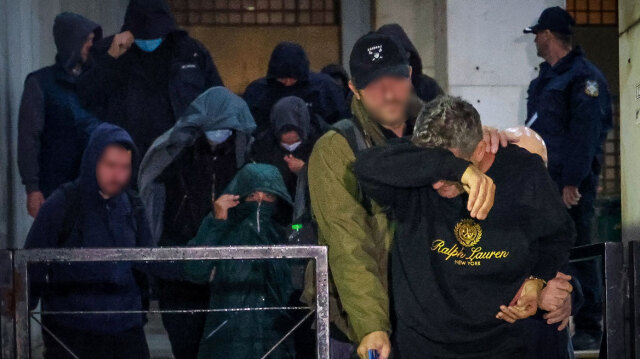
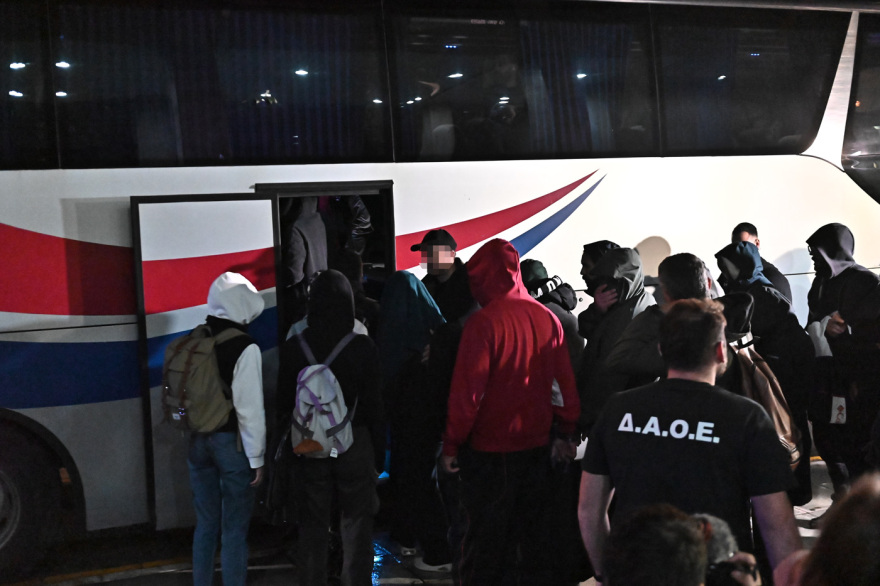
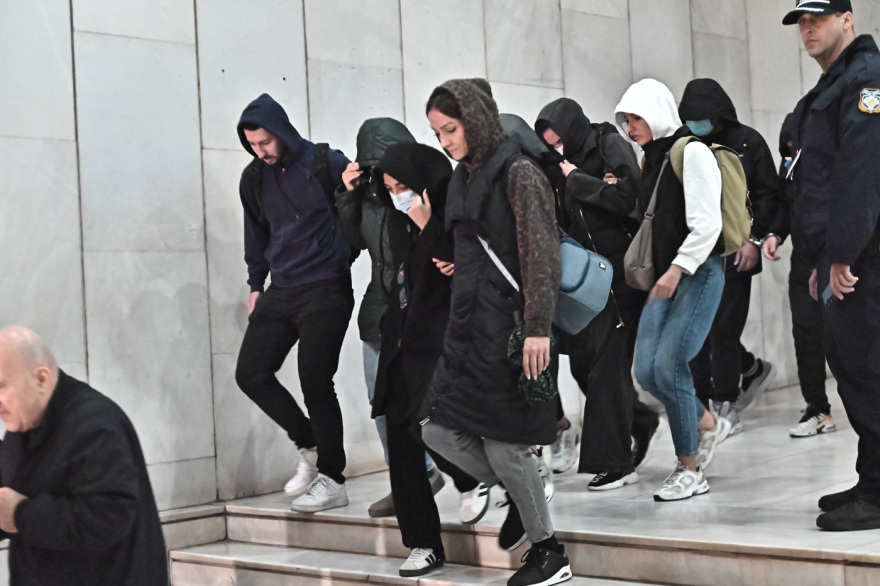
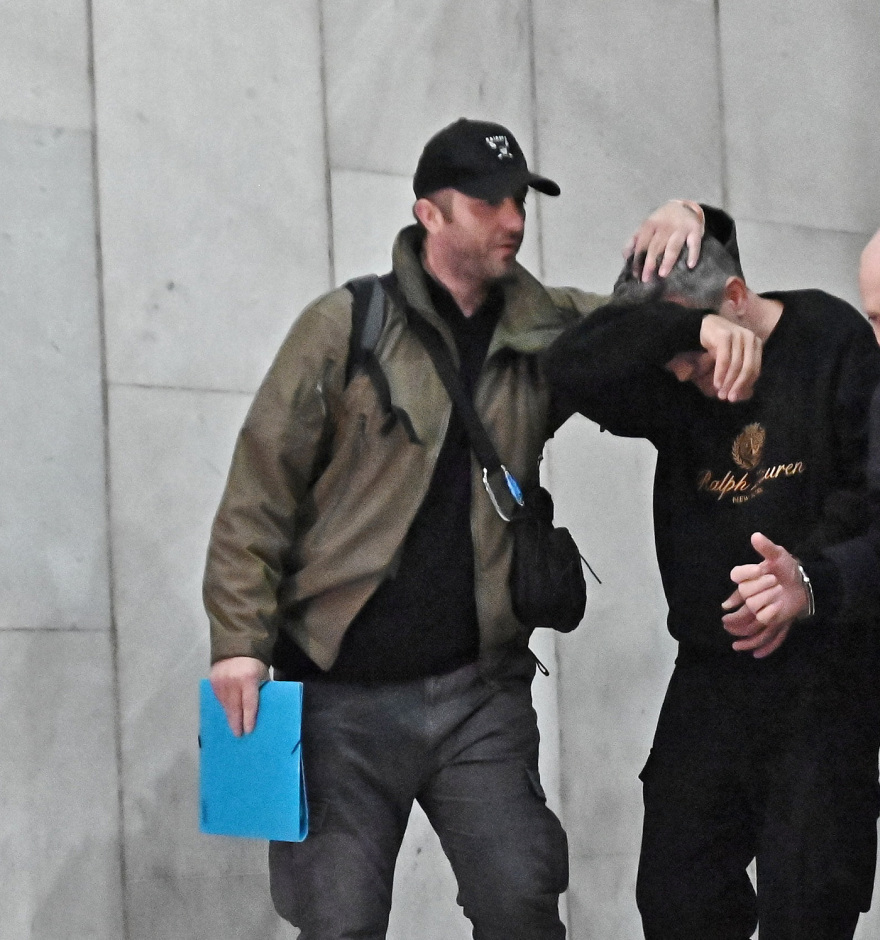
Fifty-nine suspects including Choriatiko bakery chain owner Angelos Giannakopoulos appeared before an Athens prosecutor over an alleged 120 million euro tax fraud.
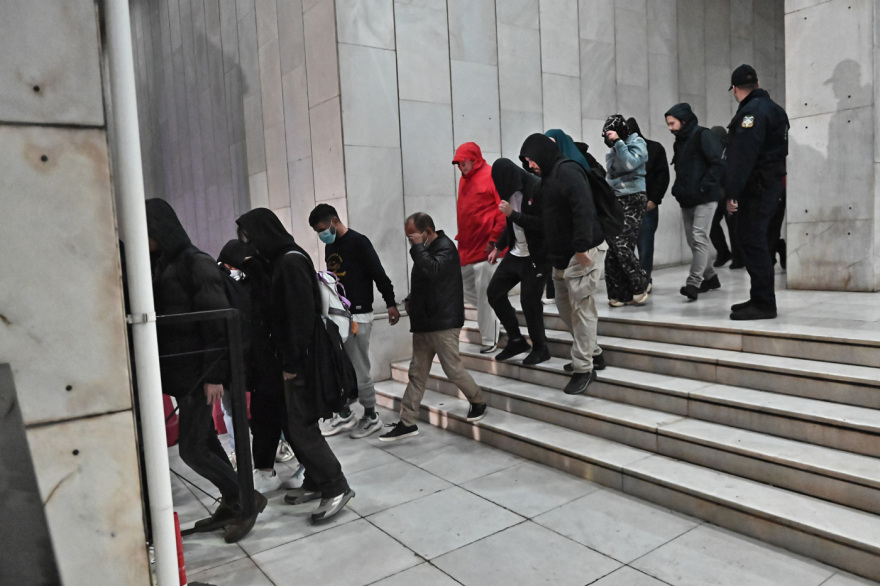
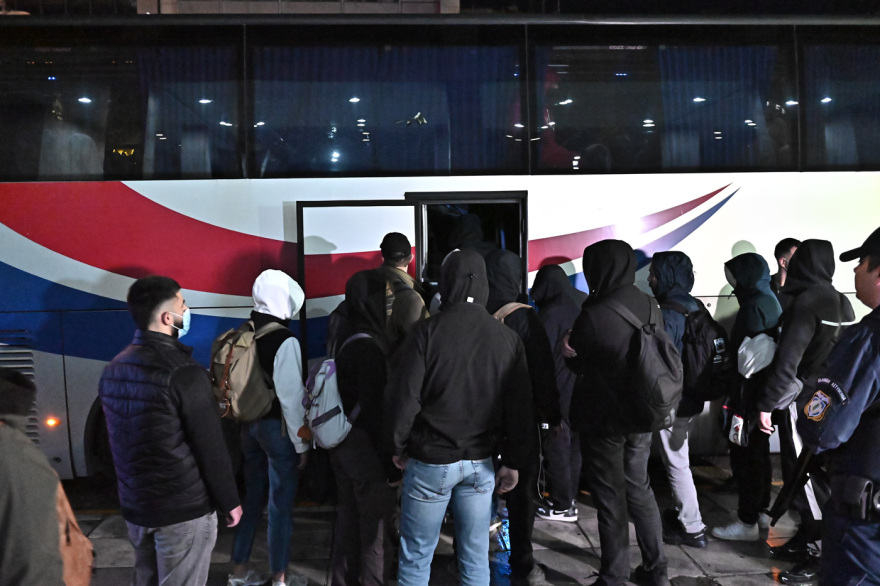
The prosecutor at the Evelpidon court complex in the Greek capital is expected to bring criminal charges against all 59 defendants. Following the formal indictment, each suspect will be transferred to an investigating magistrate to request a statutory postponement to prepare their defence statements.
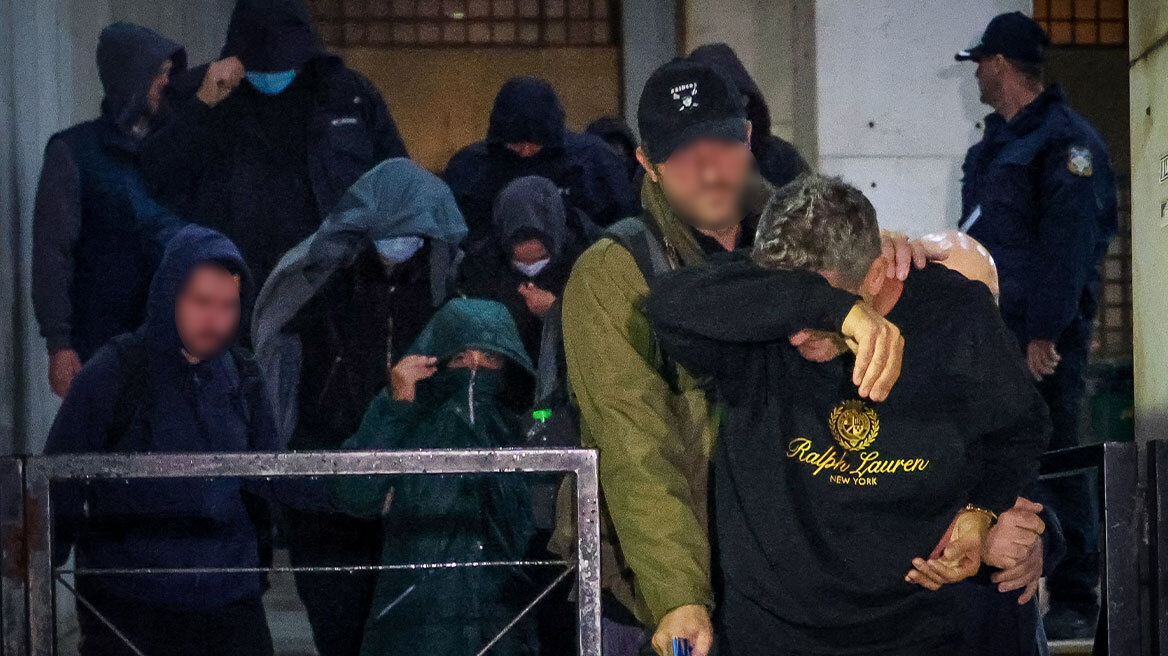
Under Greek criminal procedure, defendants facing felony allegations are routinely brought before an investigating judge, known as an anakritis, where they are granted several days to examine evidence and compile depositions before judges decide on pre-trial detention.
Financial auditors estimate that the scheme caused more than 100 million euros in direct losses to public finances, with police calculating the total damage to the Greek state and the national social security agency EFKA at 120 million euros. The unpaid liabilities consist of 39 million euros in missing social security contributions, 38 million euros in unreturned pandemic relief advances and unpaid corporate income taxes, and 43 million euros in unpaid value added tax.
Giannakopoulos was apprehended by police officers in the northwestern city of Ioannina, situated near the Greek frontier. Hellenic Police officials stated that the bakery tycoon was detained while attempting to cross the border to seek refuge in neighbouring Albania.
The arrest capped an extensive operation into the business empire of Giannakopoulos, widely known in Greece as Mr Choriatiko. The brand name, which translates as traditional or village style, became a prominent fixture across Athens over two decades through large 24-hour bakery and cafe outlets.
Network of disposable companies
According to police investigators, the fraudulent structure orchestrated by Giannakopoulos encompassed at least 433 individual commercial businesses. The network functioned as an ongoing corporate carousel, in which each firm operated until its state tax identification number was cancelled due to accumulated debts, at which point another pre-arranged entity took over the trading activity.
Of the 433 businesses identified by police, approximately 340 operated as bakeries, coffee shops, bars, entertainment venues, and strip clubs. Investigators determined that roughly 90 percent of Giannakopoulos's overall commercial operations were conducted through these disposable shell entities, designed to collapse and leave state liabilities unpaid.
The disposable firms were registered under the names of straw men who served as legal representatives on paper. Authorities found that a substantial proportion of these front individuals were impoverished citizens and pensioners who surrendered their identity cards and tax registration numbers in return for modest cash fees ranging from 500 to 1,000 euros.
In addition to dismantling the corporate network, police detectives are tracing Giannakopoulos's illicit contacts across the state apparatus. Authorities suspect the organisation maintained connections inside the Hellenic Police, the tax administration, EFKA, local municipal authorities, and the state real estate asset agency ETAD.
Investigators believe these administrative contacts were systematically deployed to help the criminal enterprise stay beneath official radar, delay regulatory inspections, and secure lucrative public tenders, particularly in high-value tourism destinations such as the Aegean islands of Rhodes and Mykonos.
Beach concessions and island tenders
On the island of Rhodes, police have reopened a criminal investigation into an armed shooting incident that occurred last year. Detectives decided to pull the dormant file after fresh evidence surfaced linking the gunfire directly to the commercial disputes of the bakery syndicate.
The island of Rhodes has become a central focal point of the police inquiry. Investigators revealed that Giannakopoulos utilised front companies and straw men to enter municipal concession auctions, successfully taking over commercial rights to operate on 28 popular beaches across the island.
The straw men submitted inflated tender bids to shut out competing legitimate businesses and paid an initial lease deposit to gain access to the beaches. Once the concessions were secured, payments ceased entirely, and when the accumulated municipal debts reached unmanageable levels, the front company was dissolved so another shadow entity could bid in the subsequent auction.
Offshore transfers and elite accountants
Police financial intelligence revealed that Giannakopoulos systematically funnelled massive sums of illicit profit out of the country. Bank transfers were directed through foreign accounts, with Spain and Denmark identified by detectives as the primary international destinations for the exported capital.
The operation of the criminal group was facilitated by key associates, including Rizos Rizos, a former trade unionist from the GENOP-DEI power utility workers union. Rizos worked alongside what investigators described as an elite unit of professional accountants who provided technical support for the criminal scheme.
The accounting team ensured the shell companies remained invisible to tax authorities while facilitating the international movement of capital abroad and structuring its return into Greece as clean investment money for Giannakopoulos's legal corporate entities.
The repatriated capital was funnelled into accounts and enterprises supporting Giannakopoulos's expanding commercial footprint. Beyond his flagship bakery chain, he poured capital into tourism concessions on Rhodes and Mykonos, as well as nightclubs and strip clubs, the entertainment sector where he initially launched his business career.
In addition to financial fraud, prosecutors are preparing charges related to pimping and procuring. Under current Greek criminal law, prostitution and procuring offences are classified as misdemeanours rather than felony violations.
Lockdown labor violations
The tax investigation follows years of workplace complaints submitted against the Choriatiko chain by private sector trade unions. Union representatives confirmed that employees had documented persistent labour infractions since the onset of the coronavirus pandemic in 2020, including undeclared shifts and missing pension contributions.
During strict lockdown periods in Greece, management allegedly forced bakery employees to attend shifts by providing them with self-declaration movement permits stating they were private citizens out to buy groceries. Workers also filed complaints stating they were forced to work 10 hours a day while officially registered with the state on four-hour part-time contracts.
Judicial authorities have opened an internal inquiry to examine why earlier employee complaints against the chain yielded no official response, reviewing which administrative officials handled the files and determining what actions, if any, were taken to protect workers.