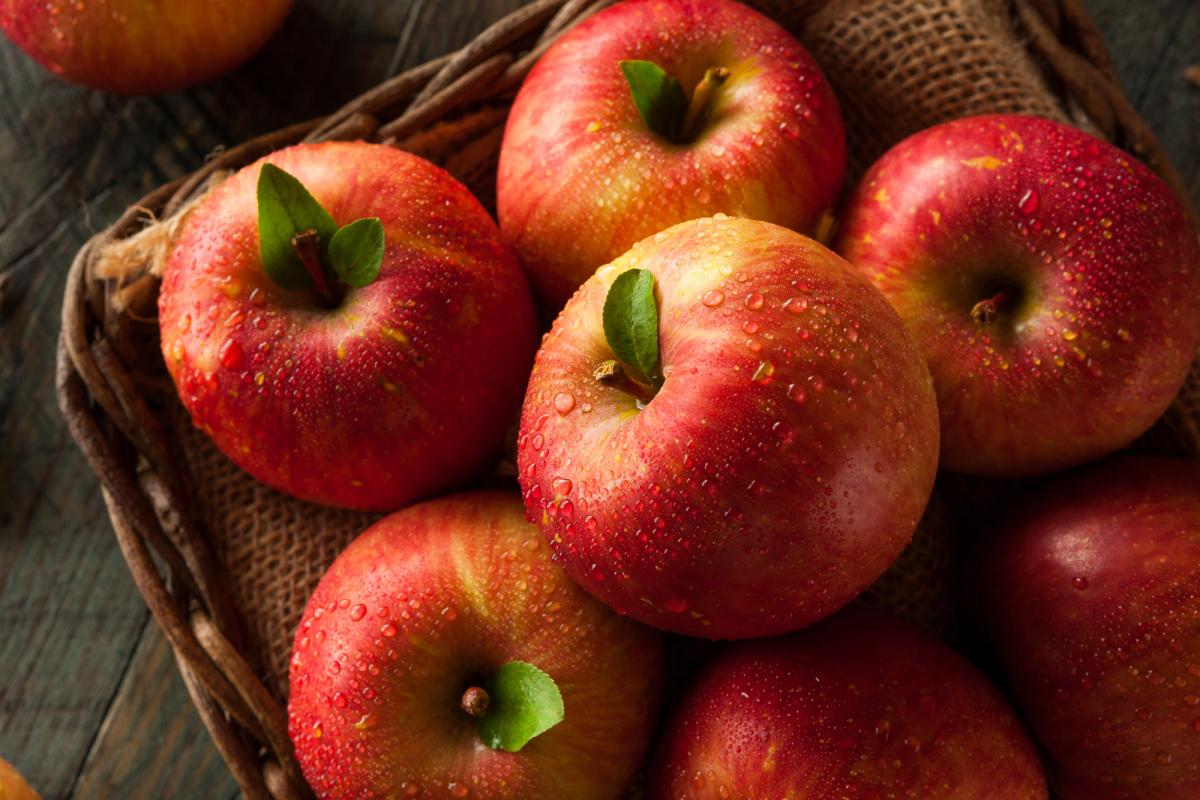
British crops including wheat, apples and carrots have lost up to 50 per cent of their nutritional value since 1960, Deep Science Ventures researchers suggest.
A new study found that adults today must consume twice as many vegetables as they did in 1960 to obtain the same amount of vital vitamins and minerals, driven by a decline in soil quality across agricultural land.
Researchers from tech firm Deep Science Ventures found that many common crops have lost between 20 and 50 per cent of key nutrients, including potassium, iron, selenium and zinc. Deep Science Ventures is a venture creation firm that works to develop technology-based solutions for health and environmental issues.
The team described the effects of this nutrient drop as enormous, warning that the decline could push around five million working-age adults into nutritional deficiency.
"This would have enormous implications for public health," the researchers said of their findings, noting that reduced mineral density in staple foods affects basic nutritional intake across the country.
Declining selenium levels and health risks
The report highlighted selenium as a critical nutrient suffering from diminished crop levels. Selenium is a trace mineral and antioxidant that helps the immune system defend against intruders and protects cells from damage.
"Selenium deficiency weakens the immune system, raises heart disease risk and impairs thyroid function - with a range of heath impacts including infertility, depression and fatigue," the researchers said. The thyroid gland relies on trace minerals to produce hormones that regulate energy and metabolism.
According to the NHS, the National Health Service in the UK, men require around 75mcg of selenium per day, while women need 60mcg. Good dietary sources include wholegrains and Brazil nuts, with just one to two nuts providing an adult's full daily requirement.
However, with the nutrient density of wheat declining, women would now need to eat four slices of wholemeal bread to get just a third of their recommended daily selenium intake, the report suggests.

The findings indicate that standard portions of staple foods no longer deliver the volume of essential minerals that consumers received in previous decades.
Impact of iron and potassium shortages
The researchers also highlighted significant drops in iron and potassium, which are critical for basic biological functions. "Meanwhile, iron and potassium deficiencies are linked to high levels of fatigue, heart irregularities and compromised immune function," the researchers said.
Iron is an essential mineral that combines with protein to form red blood cells, which carry oxygen around the body. Iron deficiency is thought to affect one in four UK women and one in 20 men, and can put strain on the heart over time while making the body more vulnerable to infection.
Globally, iron deficiency remains a major contributor to pregnancy complications and is responsible for nearly a quarter of maternal deaths worldwide.
Women aged 19 to 15 need around 15mg of iron per day, while men require just 9mg, largely because women lose iron through their period each month. Good sources include dark leafy vegetables, pulses, beans and red meat.
With the iron content of crops declining, women may now need to consume larger portions of iron-rich foods such as spinach to achieve the same nutritional outcomes.
Potassium helps regulate blood pressure, supports normal muscle function and is essential for nerve health. Adults are advised to consume around 3,500mg per day, with good sources including potatoes, bananas, beans and leafy green vegetables.
Surveys suggest many Britons fail to meet the 3,500mg daily target, with some studies suggesting the risk of stroke may rise by around a fifth among those with lower intakes.
With the nutrient density of crops declining, people would now need to eat around eight potatoes to meet their daily potassium requirements through that crop alone.
Economic costs and potential solutions
Experts behind the report estimate the impact of less nutrient-dense crops could translate into "millions of people taking increased sick days due to being tired or exhausted, and with impaired concentration".
"Given that strokes carry an estimated £26 billion per year cost to the UK, ensuring people are getting enough potassium presents a significant prevention measure," the researchers said.
According to modelling in the report, increasing nutrient density by just a third could significantly reduce deficiency rates without people having to change their diet.
Nature-friendly farming techniques, such as planting crops that replenish nutrients in the soil and expanding the use of organic farming methods, could help improve the health benefits of vegetables, the researchers said. Organic farming avoids synthetic fertilizers, relying instead on natural techniques to maintain soil fertility.
Debate over diet choices and processed foods
Not all scientists agree on the scale of the problem, with some arguing that poor dietary choices are a far bigger threat to public health than declining soil minerals.
Surveys show that only around a third of adults eat the recommended five portions of fruit and vegetables a day, leaving many people without adequate nutrition regardless of crop composition.
The findings come amid growing concern about nutritional deficiencies across Britain, where millions of children and adults are thought to lack at least eight vitamins and minerals essential for good health.
Mass consumption of ultra-processed foods, which are highly processed commercial food products, is thought to be partly to blame for these widespread gaps.
Writing in the journal Food and Nutrition Sciences, researchers warned that without a huge shift in eating habits, the future health of the nation "could be at risk".
Around one in ten children and adults were found to be deficient in calcium, while even greater numbers were lacking in potassium. Experts blamed rising food prices for the decline, with fresh fruit and vegetables being ditched in favour of cheaper, less healthy choices.
Experts are now calling on the UK Government to look at ways to bolster the consumption of essential nutrients across the country.