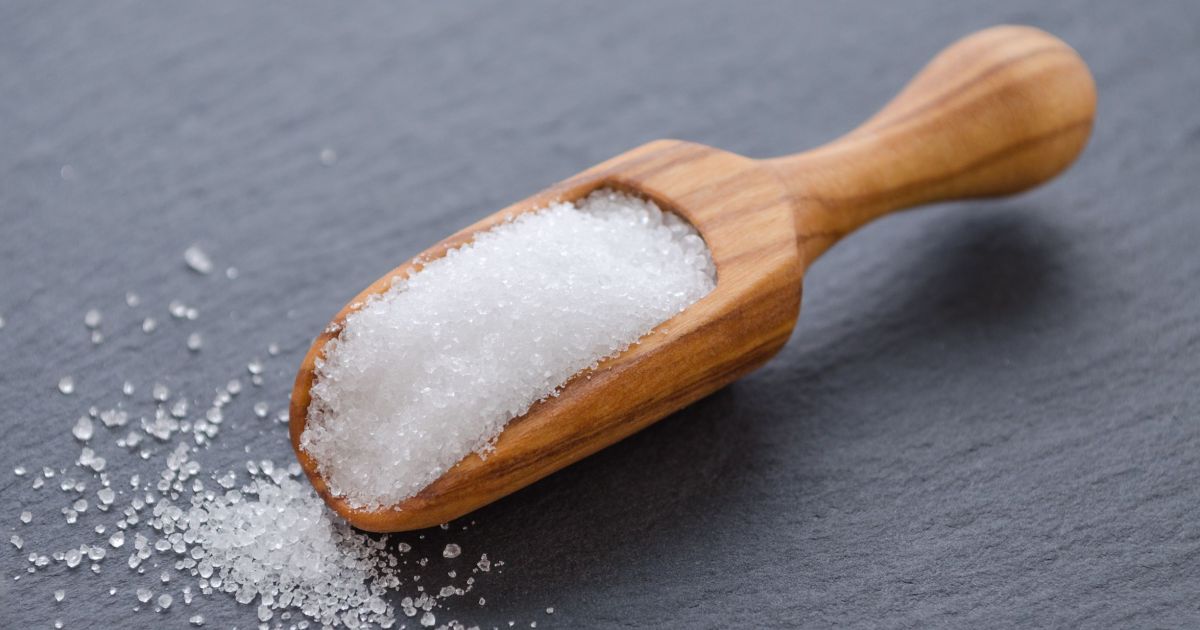
Artificial sweeteners cause negative biological impacts on human gut bacteria and blood sugar control while natural plant-based substitutes act neutrally or protectively, researchers at the University of Houston in the United States have found.
The synthesis of findings, published in the scientific journal Journal of Food Studies in February 2026, analyzed and compiled data from 10 previous scientific studies to compare the physiological consequences of synthetic and plant-derived sugar alternatives.
Replacing sugar with sweeteners is a common choice among people seeking healthier lifestyle habits. However, artificial and natural options can produce contrasting effects inside the human body.
According to the research, artificial compounds diminish the diversity of beneficial bacteria and cause alterations in glucose metabolism. In contrast, plant-based choices act neutrally or exert a protective role within the digestive ecosystem.
The University of Houston is a public research university located in Houston, Texas, that conducts extensive scientific research across health, medicine, and nutritional sciences. The Journal of Food Studies is a peer-reviewed scientific publication dedicated to research on food composition, dietary safety, and human nutrition.
Disruption of intestinal microbiome
Researchers reported that the primary distinction in biological impact occurs within the microbiome. The microbiome is the collection of microorganisms inhabiting the digestive system that regulates functions ranging from immune responses to metabolic performance.
Synthetic sweeteners such as sucralose, neotame, and acesulfame-K tend to induce dysbiosis, which is an imbalance in intestinal flora. Artificial sweeteners are synthetic chemical substitutes manufactured to replicate sugar sweetness without adding calories, frequently used in diet drinks and processed sugar-free goods.
The analyzed data demonstrated that sucralose reduces the presence of the beneficial bacterium Lactobacillus acidophilus by 34 percent in healthy adults. The compound can also triple pro-inflammatory bacterial groups such as Blautia coccoides.
Furthermore, the study linked sucralose consumption directly to blood sugar regulation issues. The researchers noted that sucralose use correlates with higher post-meal glucose and insulin spikes, while simultaneously decreasing the body sensitivity to insulin. Insulin is the hormone produced by the pancreas that enables body cells to absorb glucose from the bloodstream.
Other synthetic options showed specific metabolic consequences in the reviewed studies. Neotame alters lipid absorption and elevates fecal cholesterol levels, while acesulfame-K is associated with changes in microbial networks and weight gain.
Protection from plant-based alternatives
Conversely, natural non-nutritive sweeteners such as stevia, erythritol, and xylitol preserve gut microbial richness without inhibiting the growth of protective bacterial species. Stevia is derived from the leaves of the Stevia rebaudiana plant, whereas erythritol and xylitol are sugar alcohols commonly found in fruits and fermented foods.
The study indicated that these plant-derived compounds stimulate the proliferation of beneficial bacteria belonging to the Bifidobacterium and Akkermansia genera.
In addition, the fermentation process of substances like erythritol can double the production of short-chain fatty acids in the gut. Short-chain fatty acids are organic compounds produced when bacteria ferment non-digestible fibers. They play a crucial role in maintaining the intestinal barrier, strengthening immunity, and activating anti-inflammatory pathways in the body.
Plant-based sweetener options also produce no alterations in glucose tolerance or insulin response, operating neutrally within human metabolism.