Researchers at the Department of Chemical Engineering at the University of Almería and the Solar Energy Research Centre have developed a process to obtain microalgae biomass rich in proteins or fats while purifying urban wastewater.
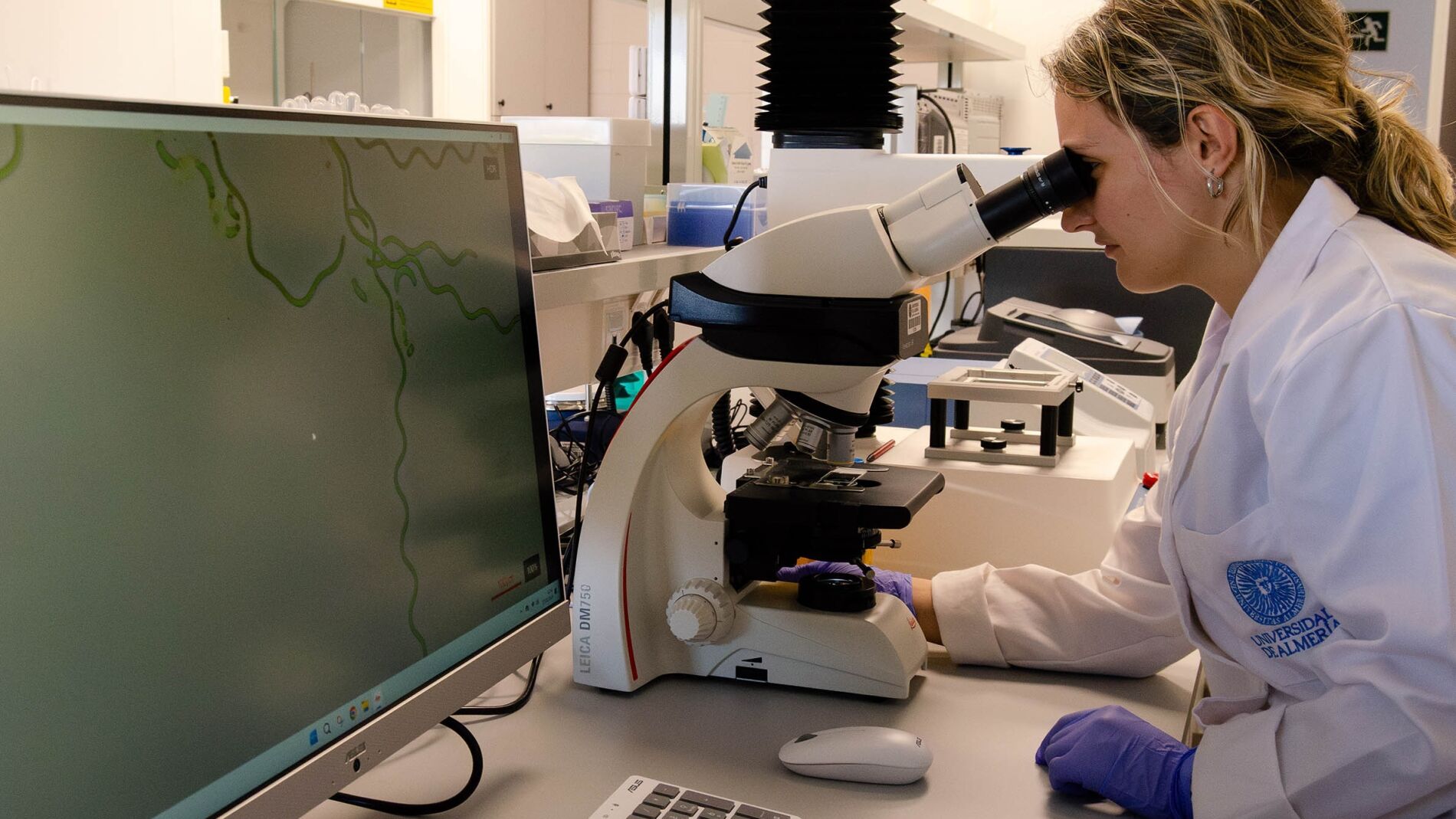
By adjusting specific operational parameters inside treatment reactors, the Spanish team generated organic matter with nutrient concentrations tailored for agricultural fertilizers, livestock feed, or renewable biofuels.
The study, published in the Journal of Water Process Engineering under the title Optimising microalgae-based wastewater treatment: Linking operational conditions to biomass quality and microbial diversity, identified culture depth inside the reactor and water dilution rates as the two key operating conditions governing algae growth and biomass composition.
The research team demonstrated that these two technical factors directly influence the removal of polluting nutrients such as nitrogen and phosphorus from raw sewage. Lead author Tomás Lafarga, a researcher at the University of Almería, explained that altering operating parameters changes the biochemical profile of the microalgae, allowing scientists to promote higher protein or lipid accumulation depending on the applied regime.
In addition to boosting microalgae production, these operational conditions affect the surrounding bacteria present in raw sewage. Lafarga noted that when wastewater feeds a microalgae reactor, secondary microorganisms naturally proliferate inside the system. He said the resulting consortium of microalgae and bacteria forms a mutually beneficial relationship, where microalgae feed on carbon dioxide produced by the bacteria, leading to significant algal growth.
Pilot scale testing in Almería
To evaluate the system under real-world conditions, the team conducted experiments at the pilot plant of the Solar Energy Research Centre, known as CIESOL, situated on the University of Almería campus. The researchers used open reactors with a capacity of 10,000 liters filled with untreated urban wastewater. They introduced the microalgae species Scenedesmus almeriensis alongside other microscopic algae species that naturally thrive in the environmental conditions of Almería, a dry region in the Andalusia province of southern Spain.
To monitor and manage microalgae production, the team applied a mathematical model that predicts crop growth inside the container based on the water dilution rate. Lafarga pointed out that microalgae remain suspended throughout the liquid, from the bottom to the surface, and feed on carbon dioxide generated by bacteria. He said the predictive methodology makes it easier to control and optimize the cultivation process.
The researchers also incorporated Near-Infrared Spectroscopy, a rapid analytical technology used to estimate the biochemical composition of biomass. Lafarga highlighted that this study marks the first time Near-Infrared Spectroscopy has been applied to analyze microalgae biomass at low cost. Unlike traditional chemical analyses, the non-destructive technique scans dry biomass samples and measures protein and mineral concentrations online in roughly one second.
Circular economy and future developments
The study confirmed that microalgae wastewater treatment systems can be integrated into circular economy models, transforming environmental pollutants into customized raw materials. Lafarga stated that lipid-rich biomass with high fat content can be processed into biofuels, while protein-rich biomass can be used in agriculture as biofertilizers or animal feed.
The process also produces recycled water suitable for agricultural irrigation, preventing untreated wastewater from contaminating rivers, lakes, or coastal waters. Lafarga noted that water purified in the test reactors during this study and previous projects was used to irrigate crops in a dedicated research greenhouse.
Looking ahead, the research team aims to apply Near-Infrared Spectroscopy directly to the biomass inside the reactor. Lafarga explained that performing direct, in situ measurements without taking physical samples will allow real-time analysis of macromolecular composition during production, making it possible to identify potential commercial uses for the biomass instantly and at low cost.
The study was funded by the Regional Ministry of University, Industry, Energy and Innovation of the Junta de Andalucía through PLAnd SEQUÍA Andalucía, an Andalusian open innovation platform created to identify and transfer solutions to drought. Additional funding was provided by the European Union Horizon Europe program.